Can I keep using the hot water?
Continued heating does not establish that a leaking unit is safe. Get qualified advice about the leak and the model’s shutdown instructions.
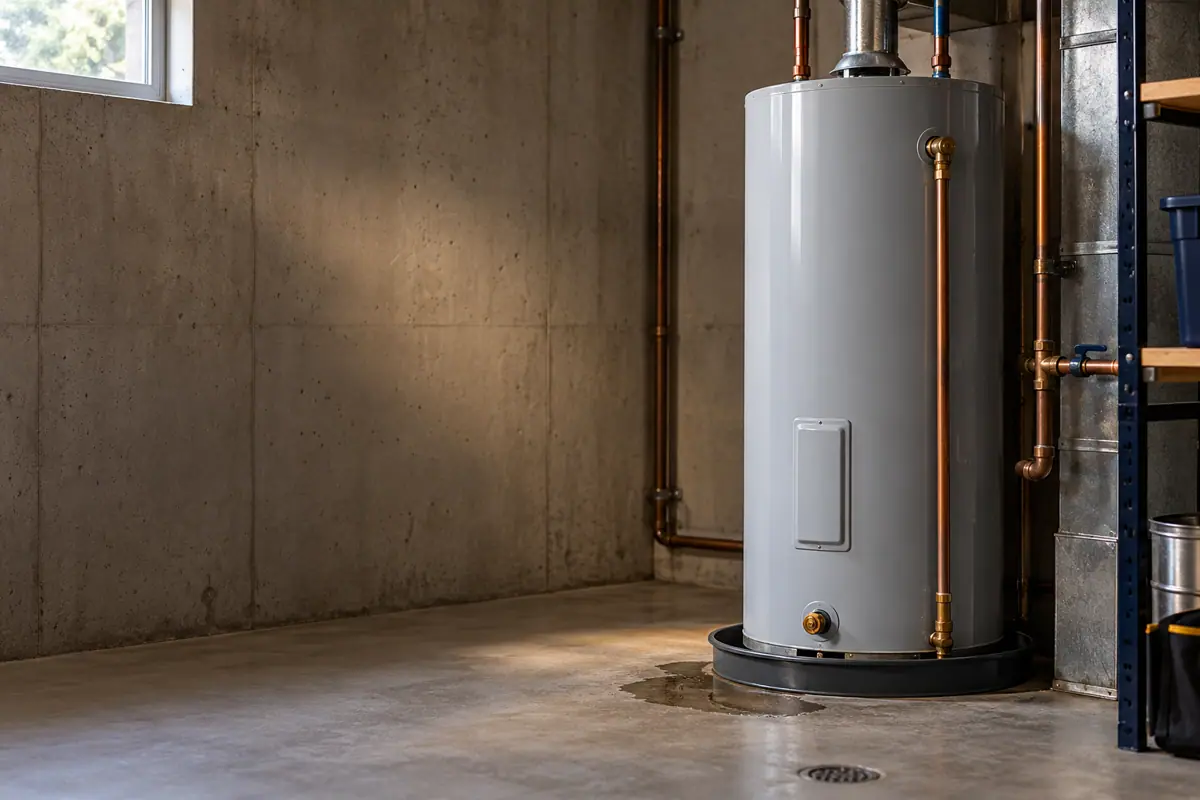
Water under the heater? Find out where the leak starts, what may be repairable, and what to ask before approving a repair or replacement.
Tell us whether water is spreading, when it started and whether hot water still works. Drip speed alone does not settle how urgent the situation is.
Smell gas or suspect a gas leak? Leave the building and call 911 from outside. If NIPSCO is your gas supplier, call 1-800-634-3524 next. Follow the utility’s emergency instructions. A water-heater service call is not a substitute for emergency assistance.
Continued heating does not establish that a leaking unit is safe. Get qualified advice about the leak and the model’s shutdown instructions.
Stay out of standing water near electrical equipment. Do not cross it to reach a switch, breaker or heater control.
Start with the address, where water appears and whether it is spreading. Mention gas odor, hot discharge or unsafe access immediately.
Before you agree to a repair or replacement, ask what is leaking, why that work is recommended and what the price covers. A useful explanation gives you something concrete to compare.
LeakRescue Pros is a service-request website focused on water heater leak help in Kokomo. Call (765) 227-1552 with what you can safely observe. The provider accepting the work confirms address coverage, equipment capability, scheduling and charges.
No. Describe the symptoms and share the model if it is safely accessible. You do not need to remove a cover to begin the conversation.
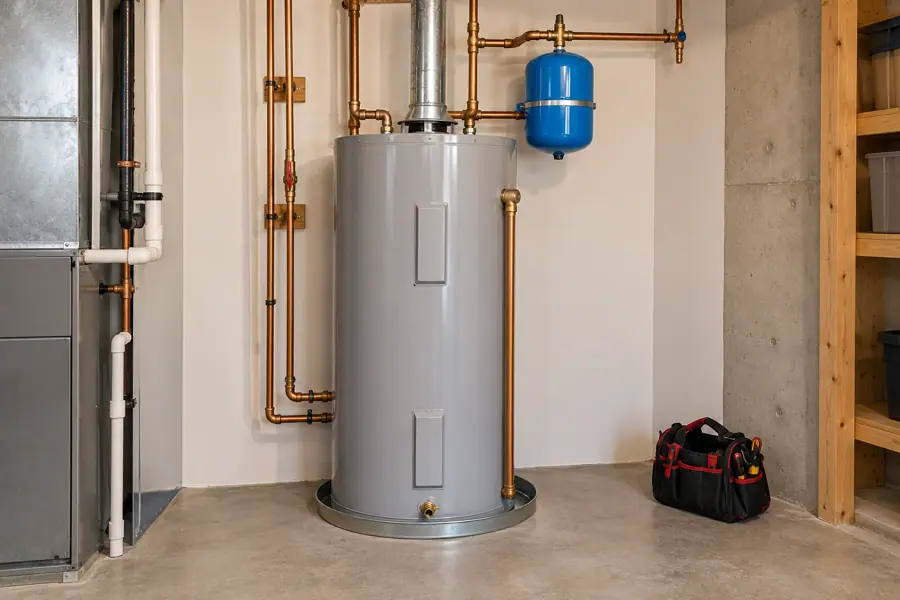
You do not need a diagnosis to make a call. Choose the closest concern, then confirm the equipment and proposed work with the provider.
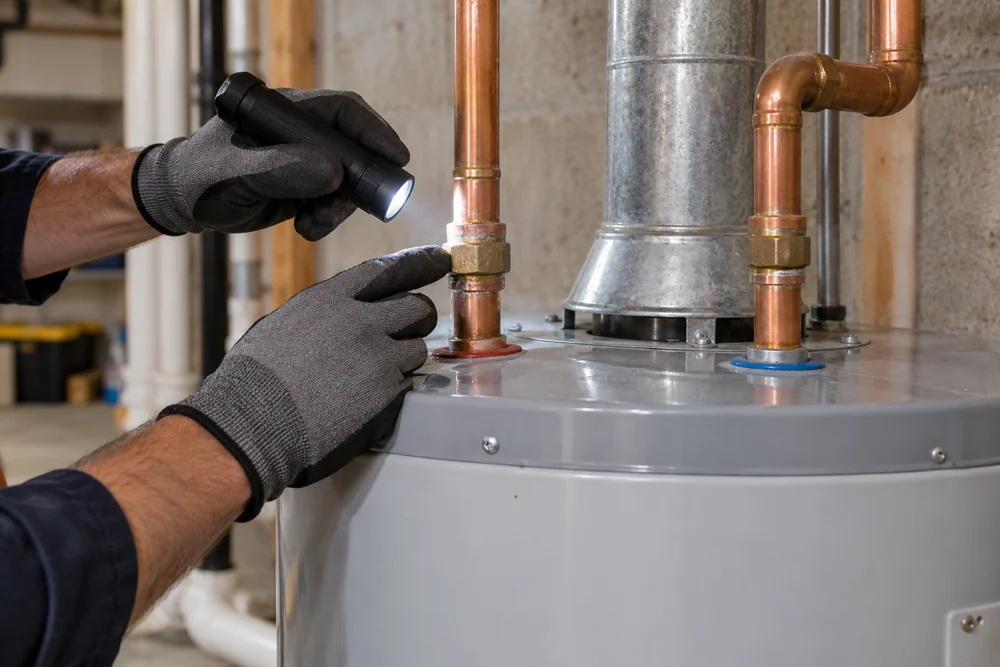
Trace where the water starts before choosing the work.
Explore this service →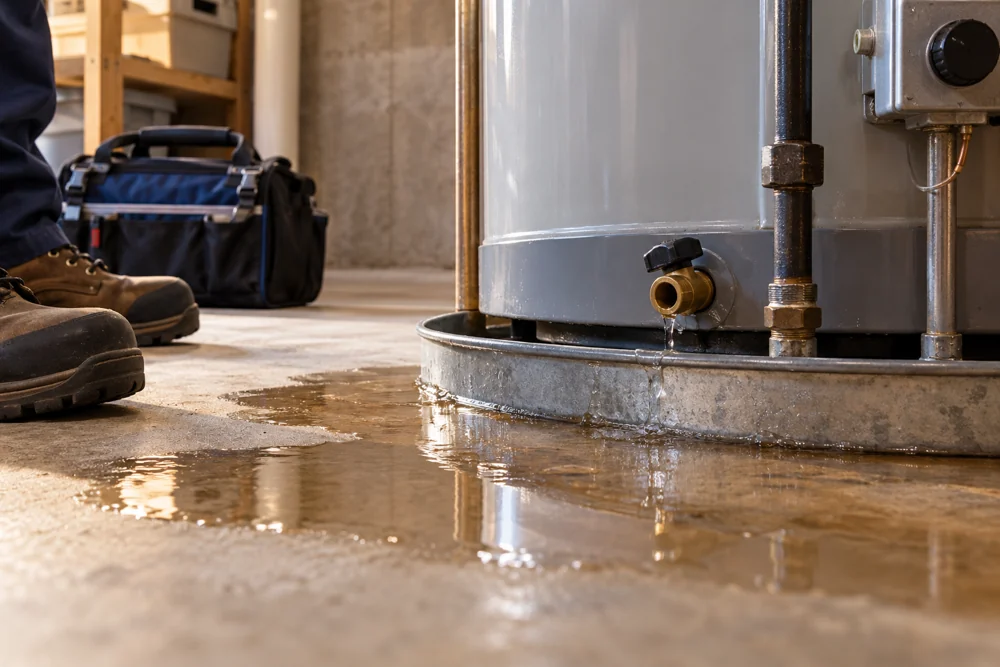
Describe active leakage, spreading water and any unsafe access.
Explore this service →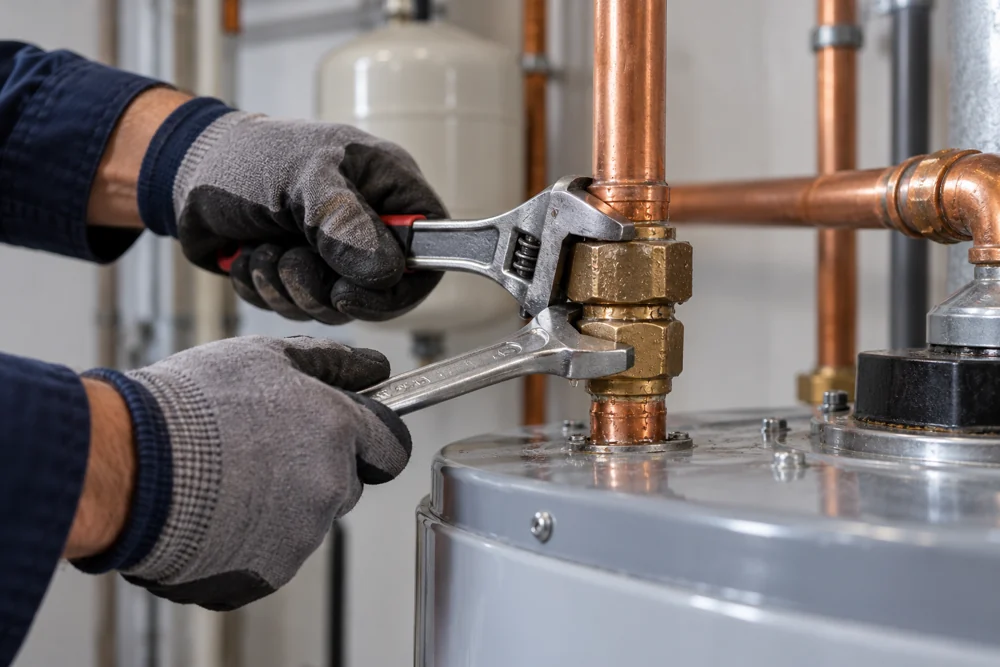
Discuss inlet and outlet connections, supply lines and nearby joints.
Explore this service →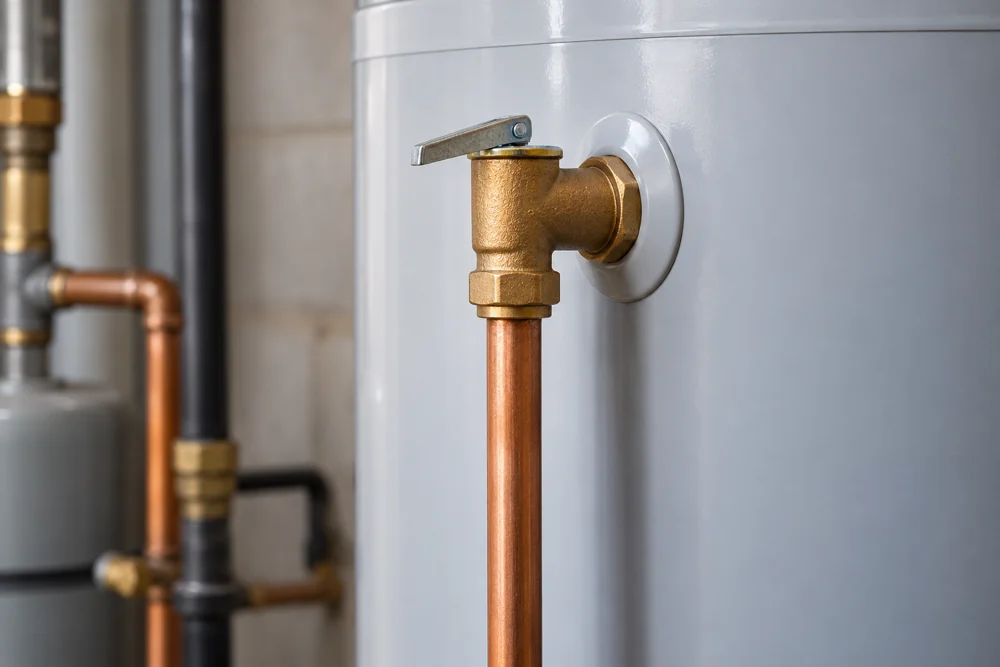
Have valve condition, water pressure and thermal expansion assessed.
Explore this service →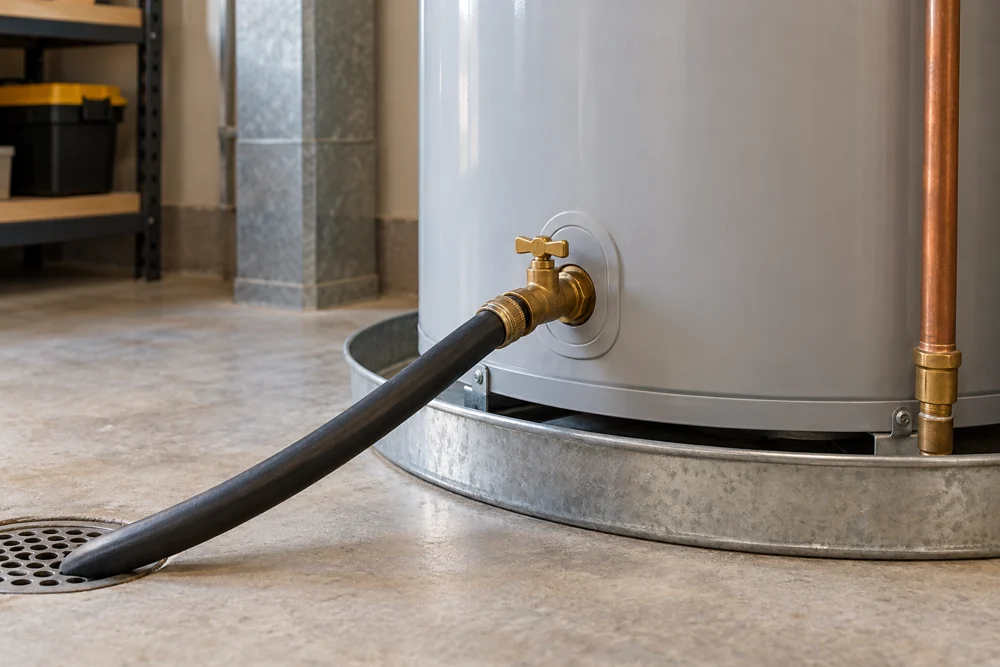
Identify a leak at the lower spigot, valve body or connection.
Explore this service →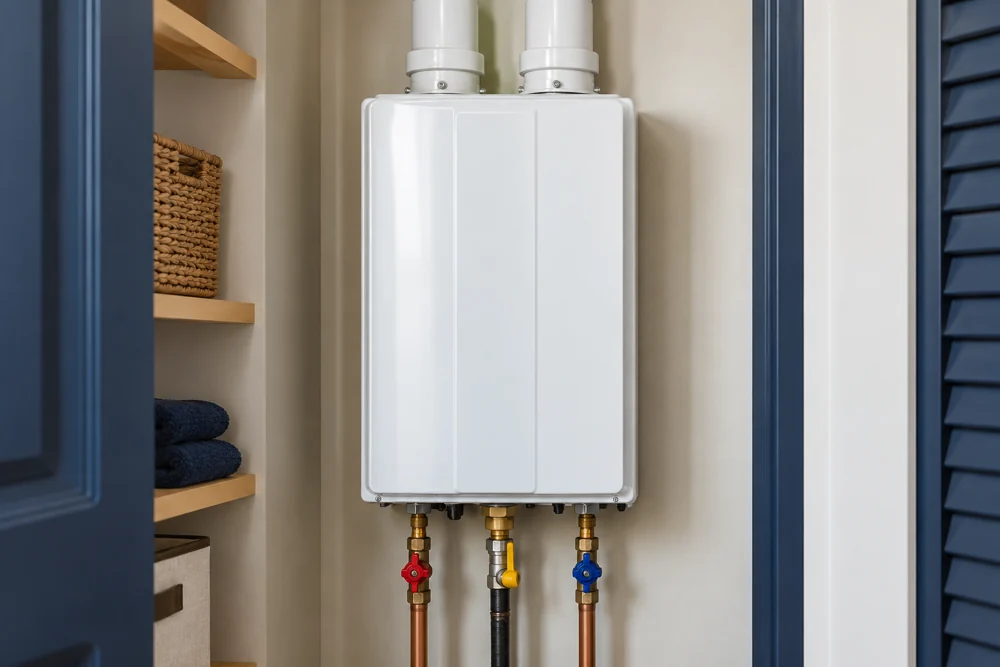
Share the model, connection concerns and any displayed error code.
Explore this service →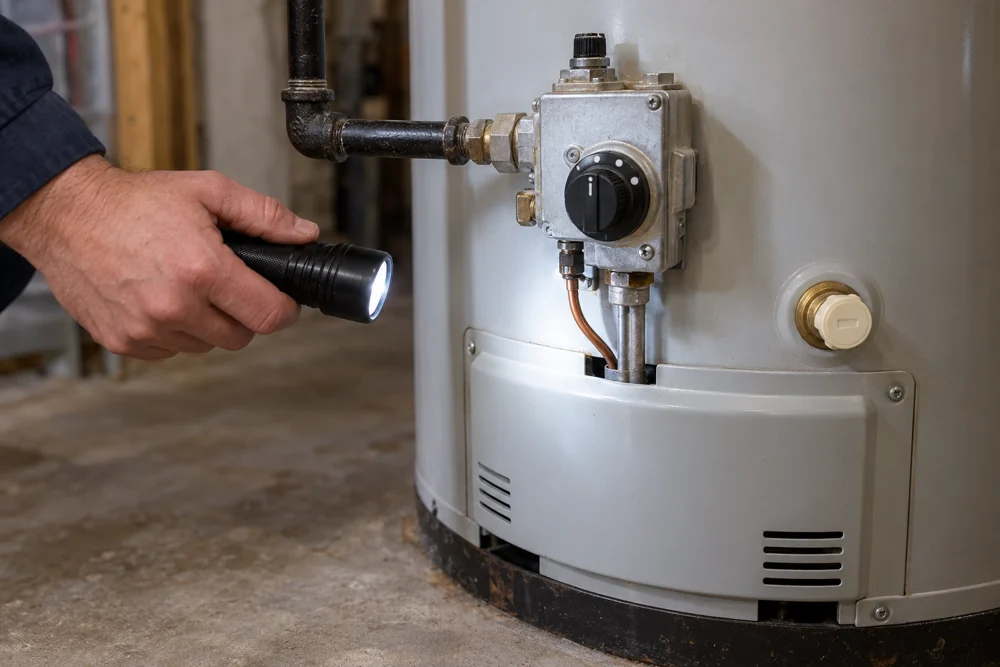
Discuss water leakage or heating faults; gas odor needs emergency action first.
Explore this service →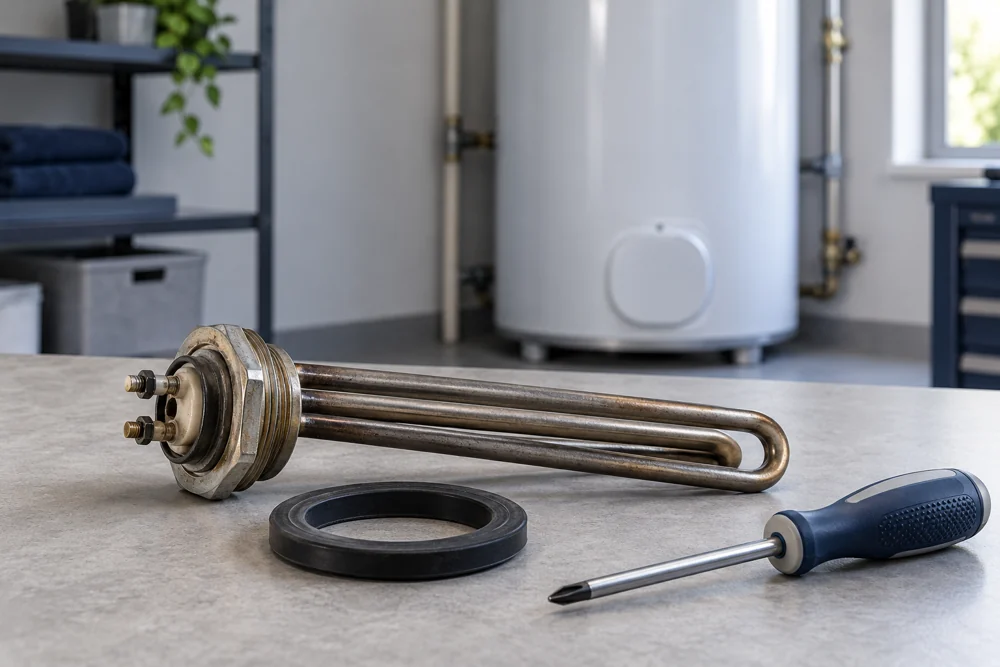
Describe element-area moisture, lost hot water or thermostat concerns.
Explore this service →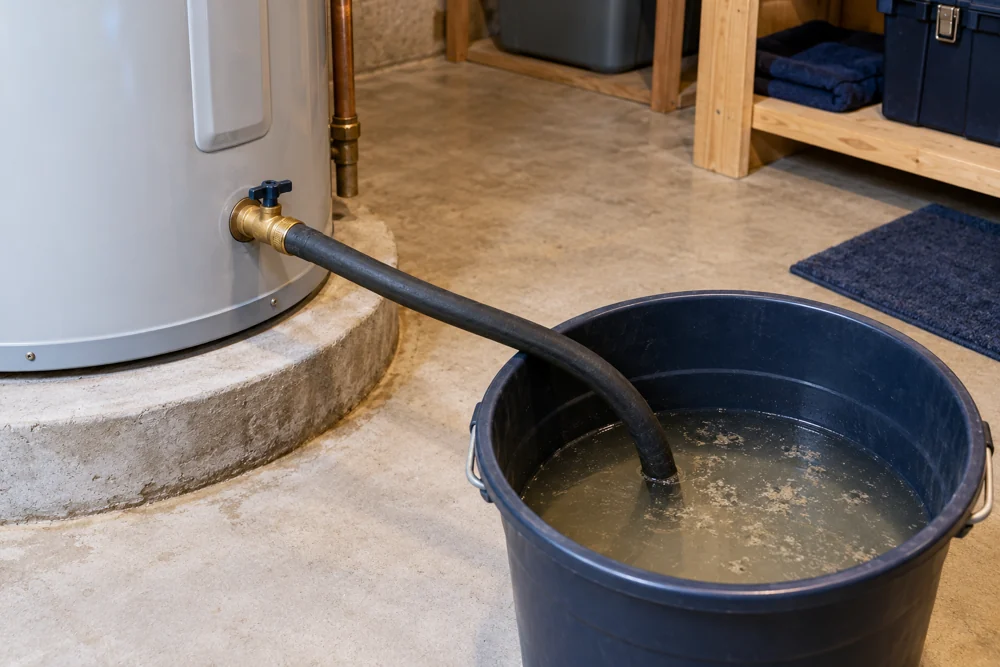
Discuss sediment maintenance suited to the model and condition.
Explore this service →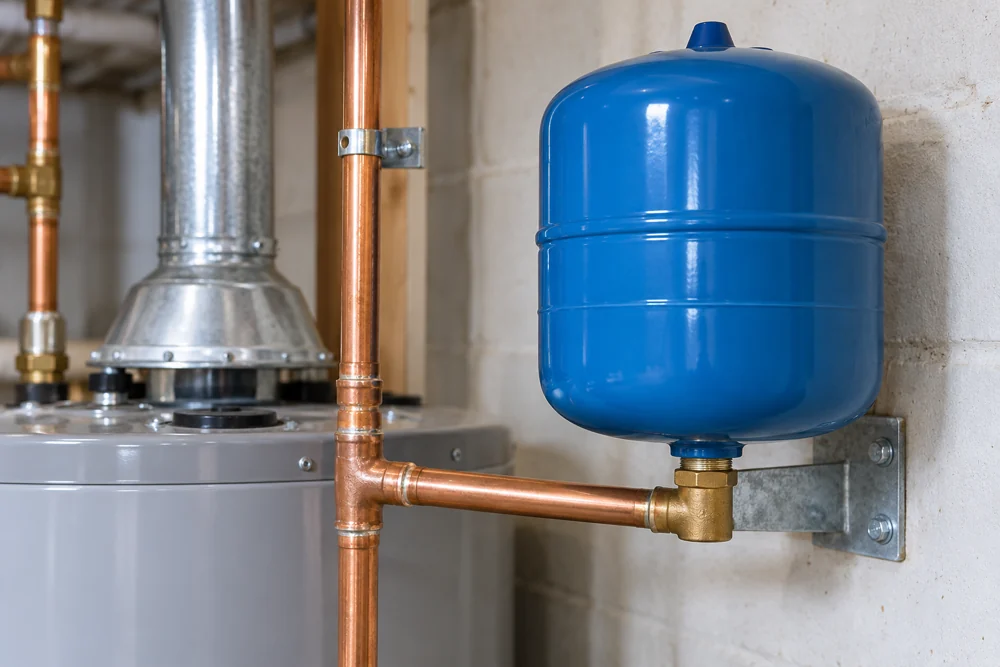
Ask about expansion-tank leaks and pressure-related findings.
Explore this service →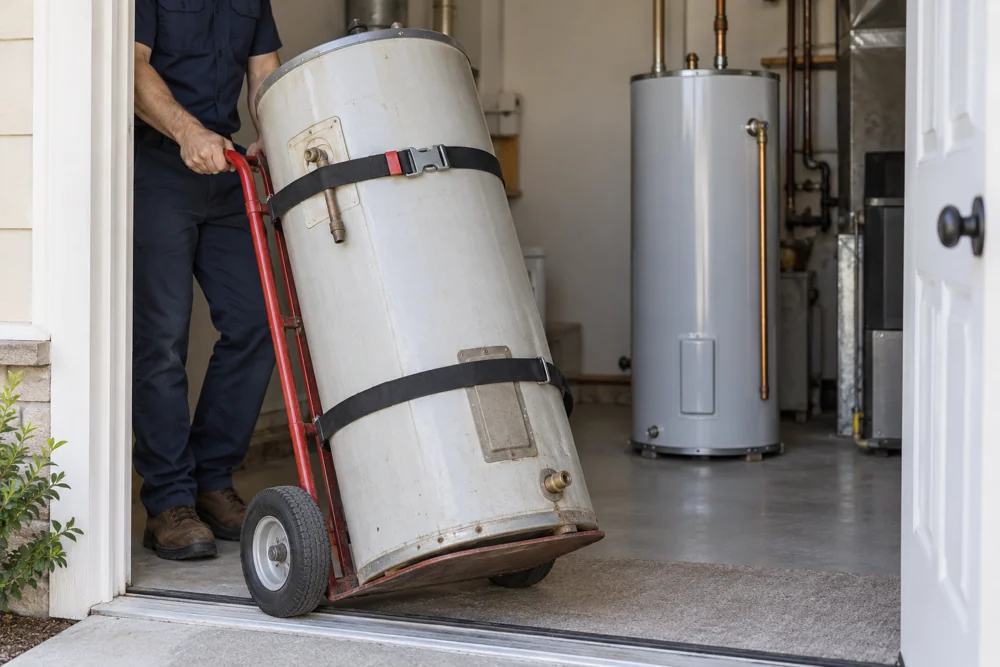
Compare the complete scope when replacement is supported by the findings.
Explore this service →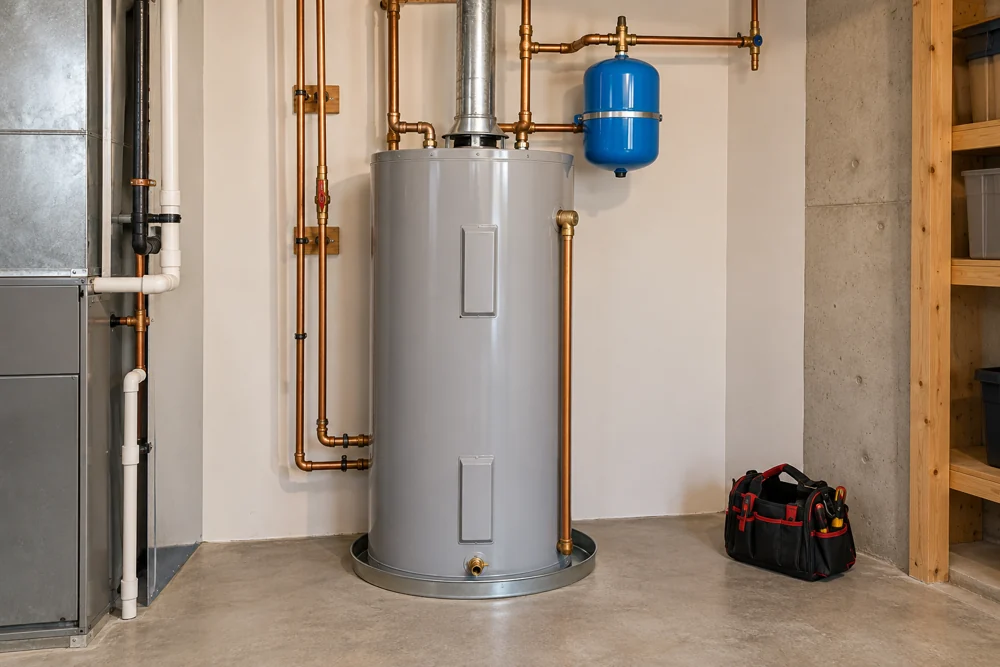
Review fuel, sizing, venting, access and the proposed installation changes.
Explore this service →Equipment images are illustrative. Confirm the provider’s capability for your model, fuel type and requested work.
When water appears around the heater, useful information makes the next conversation easier. Start with the symptoms, understand the options and know what to ask.
Water heater leaks are the focus here. Find guidance on connections, valves, tank condition and the questions that help distinguish them.
Local water-quality information, seasonal considerations and neighborhood coverage questions keep the conversation relevant to your property.
Understand why a leaking fitting and a confirmed tank leak can lead to different work, then compare the proposed scope.
Use the estimate checklist to ask about visit charges, parts, labor, removal and any required installation changes.
Start with your equipment type. Share the model, symptoms and any safely visible error code with the provider.
Know which details to have ready: the address, leak location, timing, access and whether hot water still works.
One clear starting point for your water heater leak questions.
Call with what you can safely see. The provider confirms coverage, availability and the work.
Some component problems can be addressed with a repair. A confirmed tank leak is a different decision. Ask the provider to explain which situation applies.
| What the assessment finds | Decision to discuss | Question to ask |
|---|---|---|
| A specific fitting, valve or seal is identified | Ask whether a component repair is suitable for the surrounding equipment. | Which part has failed, and what else was checked? |
| The relief pipe is discharging | Have valve condition, system pressure and expansion considered together. | What is causing the discharge—not just where is it coming out? |
| The tank itself is confirmed to leak | Discuss replacement and the complete installation scope. | What equipment, connection changes and removal are included? |
| There are several faults or a substantial repair quote | Compare condition, warranty, repair scope and household hot-water needs. | What does each option cost and leave unresolved? |
Age is useful context. It should sit alongside the actual failure, condition, warranty and proposed scope—not take the place of an assessment.
Technical context: A. O. Smith’s leak-source bulletin and thermal-expansion guidance.
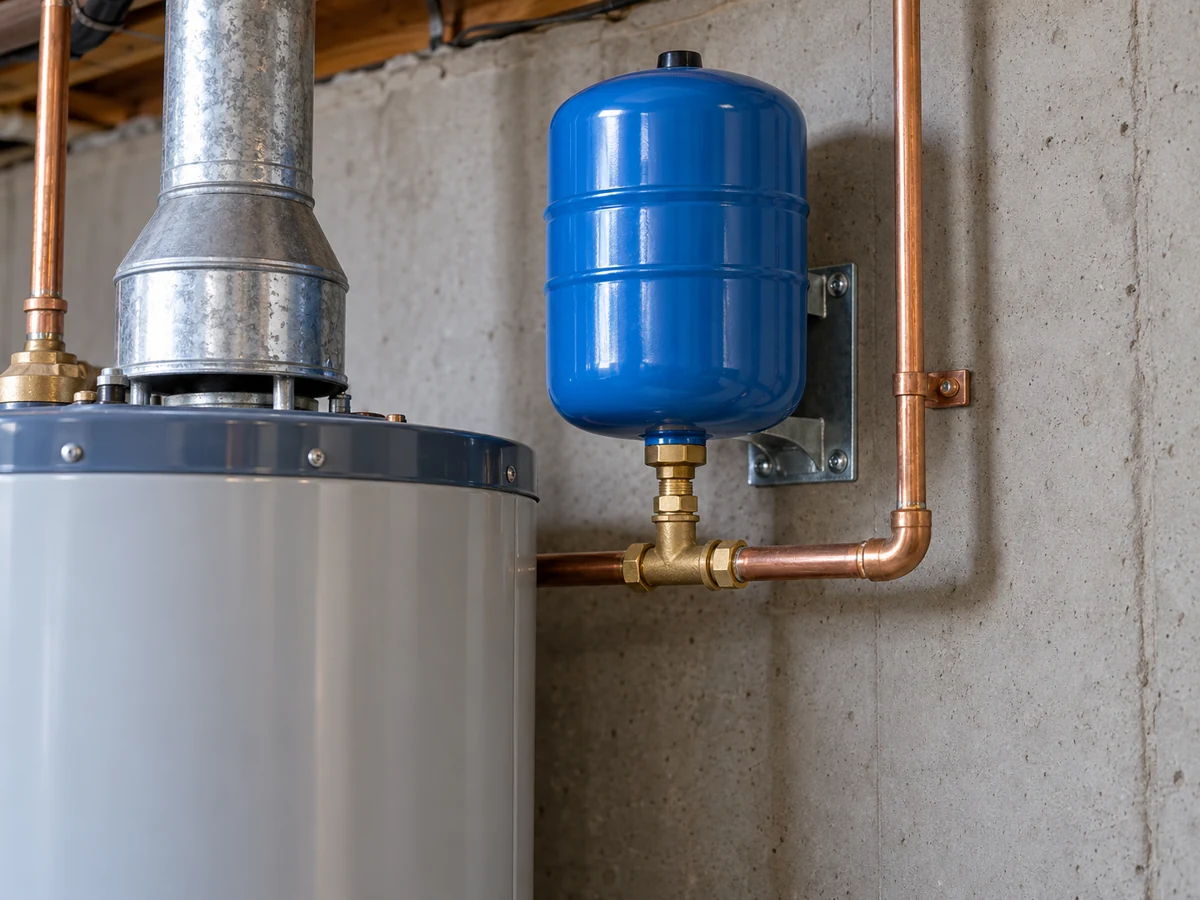
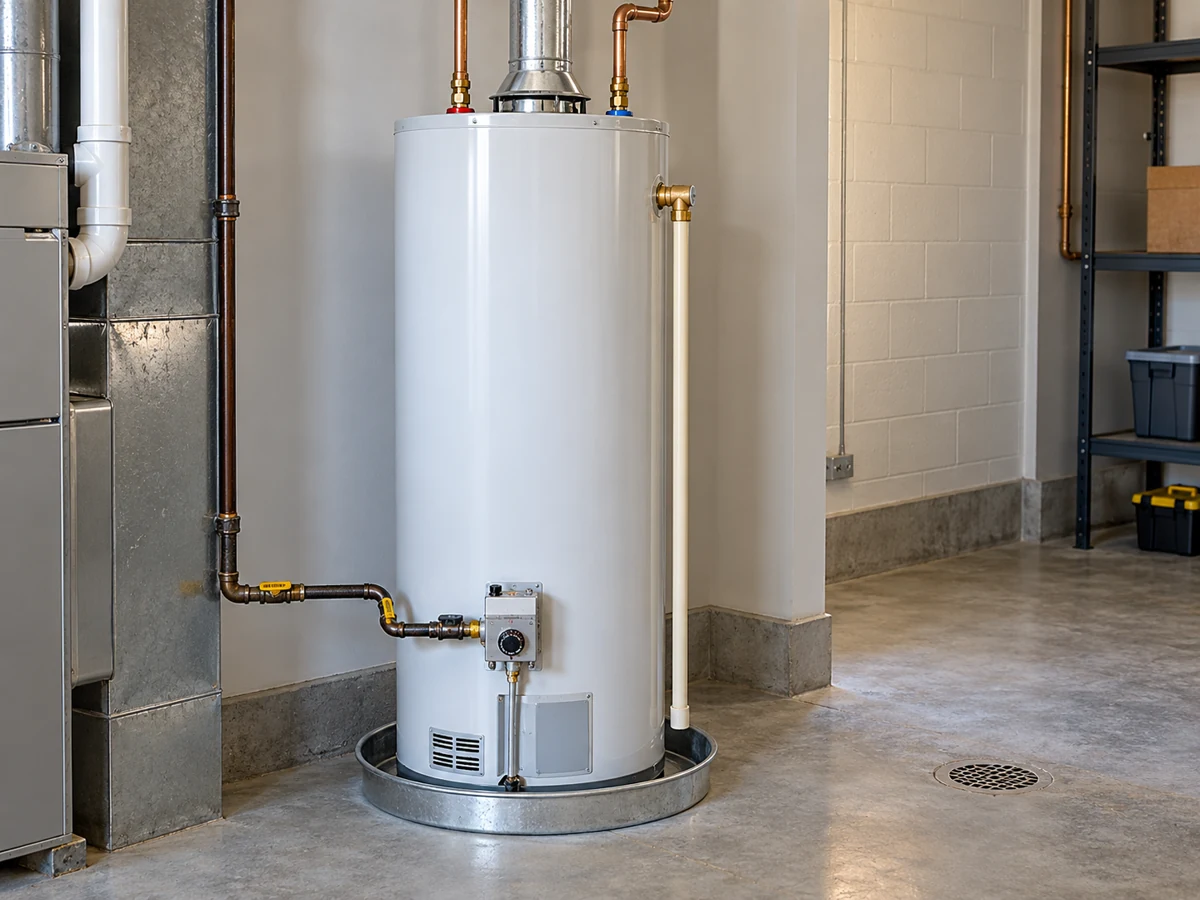
These equipment illustrations show why “water beside the heater” needs a closer look. They are explanatory images, not before-and-after project claims.
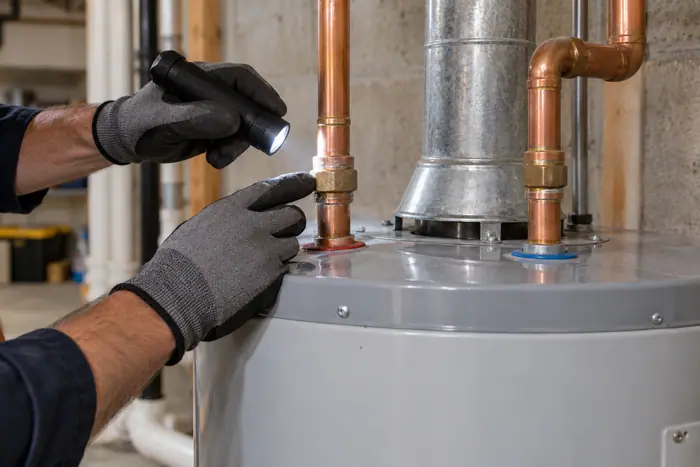
Report where the moisture first appears and whether there was recent work.
Illustrative equipment detail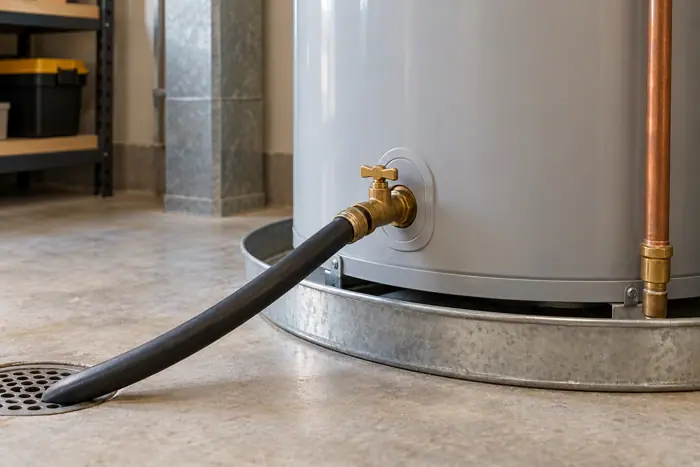
Describe whether you see a drip at the outlet or moisture around the connection.
Illustrative equipment detail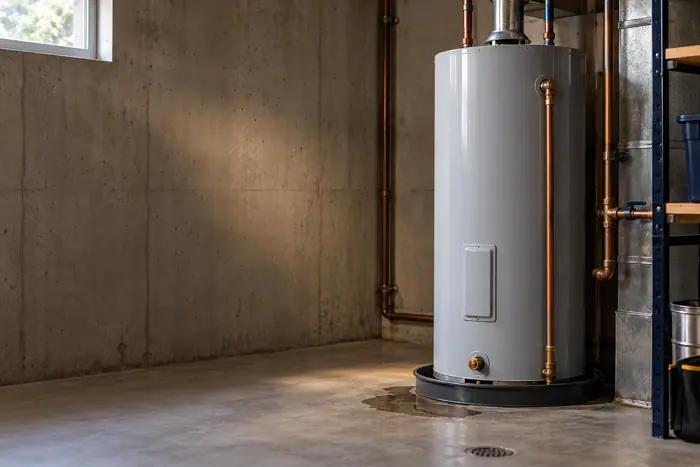
Tell the provider when it appeared and whether the amount is changing.
Illustrative equipment detailWater quality, exposed piping and basement moisture are useful context. None of them identifies the cause of an individual leak on its own.
Indiana American Water reports these Kokomo treatment-plant hardness readings:
These are plant results, not every home’s tap reading. Household treatment and private-well conditions can differ.
Heating hard water can form mineral scale. Ask about model-appropriate flushing, descaling and anode inspection.
View the utility report · PDF page 5 →Maintenance context: USGS explanation of hardness and scale.
Discuss exposed pipes and equipment in unheated spaces. Tankless freeze protection is model-specific and may depend on electrical power.
Say when the water appeared. Rain-related water and an appliance leak need distinguishing; flood-exposed equipment needs manufacturer-specific advice.
Report recent work, when you first noticed moisture and any changes in hot-water performance. Keep the paperwork for follow-up.
Look from a safe, accessible position. Record new moisture, visible rust or unusual discharge, and follow the manufacturer’s maintenance schedule.
Use the location to describe the problem. The equipment type and an inspection determine what it means.
| What you notice | What needs checking | Useful detail to report |
|---|---|---|
| 1 · Water at the top | Inlet, outlet and nearby connections | Has there been recent work or a change in the moisture? |
| 2 · Relief pipe discharge | Valve condition, pressure and expansion | When does the discharge happen? |
| 3 · Moisture near an element | Electric element seal or water tracking | Can you describe it without opening a cover? |
| 4 · Lower valve, pan or floor | Drain connection, water tracking or tank condition | Where was the first wet spot, and is it spreading? |
Use this sequence to understand the request and the work. The provider accepting your job confirms the actual visit and service details.
Give the full address, leak location, timing and whether hot water is available. Mention unsafe access first.
Check who is coming, coverage, equipment capability, availability and any diagnostic or visit charge.
Ask the provider to explain the finding and whether pressure, connections or installation conditions also need attention.
Compare the repair or replacement scope, equipment, labor, removal and applicable additional work before approval.
Ask what testing is included, what operating instructions you need and whether any inspection is required.
Retain the invoice, model details, warranty terms and the contact responsible for questions after the work.
Case histories from our other service website: what went wrong, what work was carried out and how each job ended.
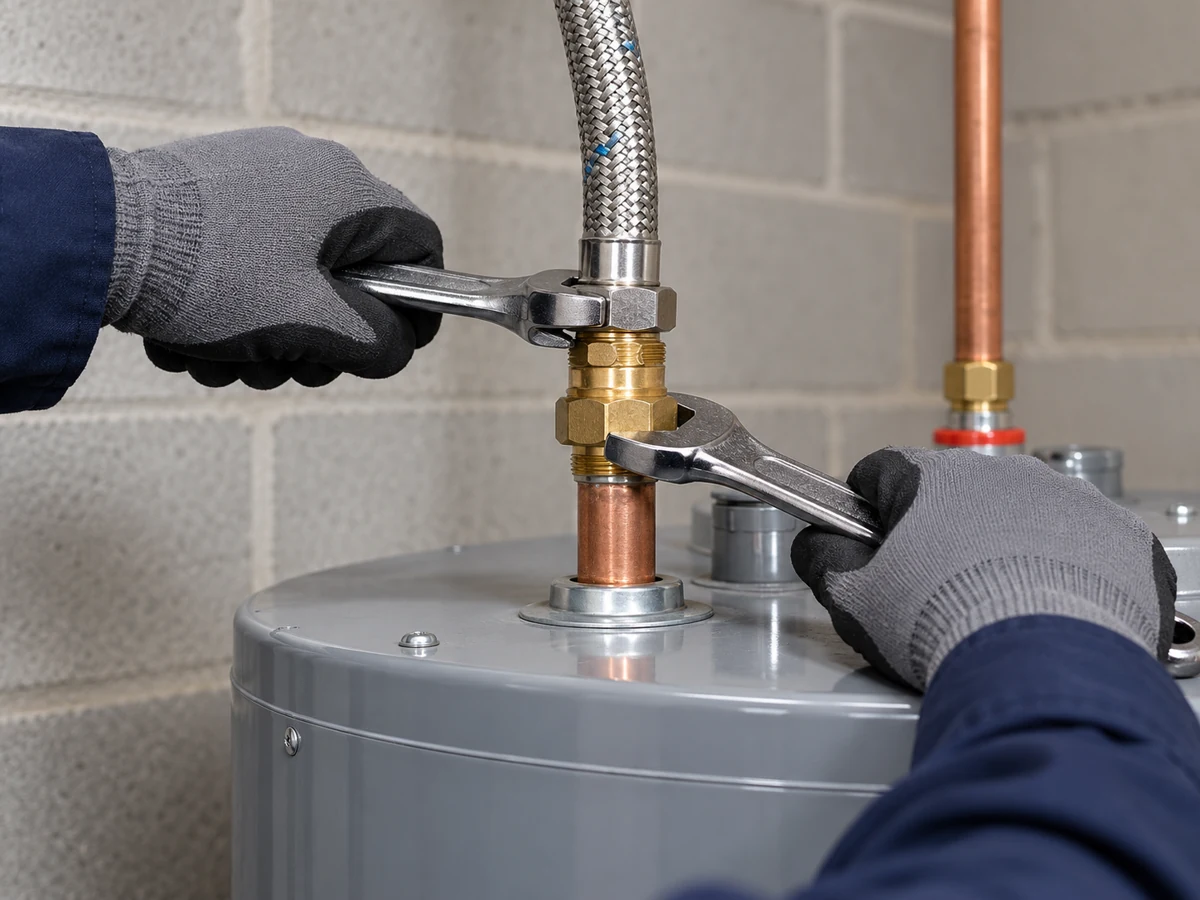
A lower total is useful only when you understand what is included. Compare the same equipment and work scope, then ask about any difference.
| Estimate item | What to have explained in writing |
|---|---|
| Assessment | Visit or diagnostic charge; whether it applies toward approved work. |
| Repair or equipment | The failed part or exact replacement model, with parts and labor identified. |
| Connection changes | Any piping, shutoff, electrical, venting or expansion-control work. |
| Access and removal | Basement stairs, access restrictions, old-unit removal and disposal. |
| Permits and inspection | Who confirms requirements for the address and includes applicable arrangements. |
| Timing and warranty | Any after-hours charge; separate equipment, parts and labor warranty terms. |
A safely taken photo can help identify equipment and visible conditions. The fault, access and proposed work still determine the estimate.
A leak is stressful enough without uncertainty over access or approval. Tell the person handling your request whether you own, rent or manage the property.
Ask what documentation and follow-up the provider includes. Do not send access codes or sensitive details through an unsecured form.
For a property in 46901 or 46902, give the full street address. The provider confirms individual address coverage and scheduling; a ZIP code or neighborhood label alone does not establish either.
Neighborhood labels: Kokomo MPO system map. Forest Park and Forest Park Estates are distinct map labels.
Have your address and a short description ready: where the water appears, when it started, whether it is spreading and whether hot water still works.
Call to discuss your request and ask about availability. A call or request does not confirm an appointment.
LeakRescue ProsOpen the contact address in Google Maps →
Service-request website. Any inspection, estimate or repair is handled by the independent provider accepting the work.
For orientation, you can mention a nearby place such as Foster Park or Highland Park. Use the full address for coverage and routing.
Short answers to the questions that often come before a repair decision.
No. The repair decision depends on the source, condition and scope. Ask for the finding to be explained before approving work. A confirmed leak through the tank itself is a replacement issue.
The first wet spot and the timing are useful clues, but a puddle does not identify the failed part. Tell the provider about any recent installation, repair or flushing. Read about bottom leaks →
Drip speed alone is not enough to judge. Report spreading water, hot discharge, unsafe electrical access or gas odor immediately. Suspected gas leakage needs emergency action before a service request.
Do not assume continued hot water means continued use is safe. Get qualified advice about the fault and safe shutdown for the particular model. A remote description cannot establish that an actively leaking heater is safe overnight.
Valve condition, supply pressure and thermal expansion need distinguishing. Ask what is causing the discharge. Never cap or plug the relief valve or its discharge pipe.
Flushing is maintenance rather than a repair for a breached tank. Have the leak identified first, then discuss whether flushing suits the model and condition. Explore flushing and maintenance →
Heated hard water can form scale, making model-appropriate maintenance relevant. The utility plant readings shown above are not a diagnosis of your heater or a measurement from every home.
Ask about the failed component, equipment, access, labor, removal and any required connection changes. Compare the complete written scope and applicable fees.
Check the model and serial number, purchase documents and actual manufacturer terms. Ask separately about tank, parts and labor coverage. A home warranty is a different agreement.
Ask the provider to confirm the requirements for your exact address and proposed work with the relevant authority, and to identify any permit or inspection arrangements in the estimate.
Explain whether you are the tenant, owner or manager. Notify the responsible person and confirm access, work authorization and responsibility for charges before a visit.
Have the address, leak location, start time and hot-water status ready. Add the heater type and a safely accessible model-label photo if available. You do not need to remove covers or handle components to request help.
Describe what you can safely see. Ask about the assessment, the options and the complete scope before approving the work.
Call (765) 227-1552