Start With The Water Path
A stain low on the jacket may begin higher up. Ask for a specific source and an explanation of any uncertainty that remains.
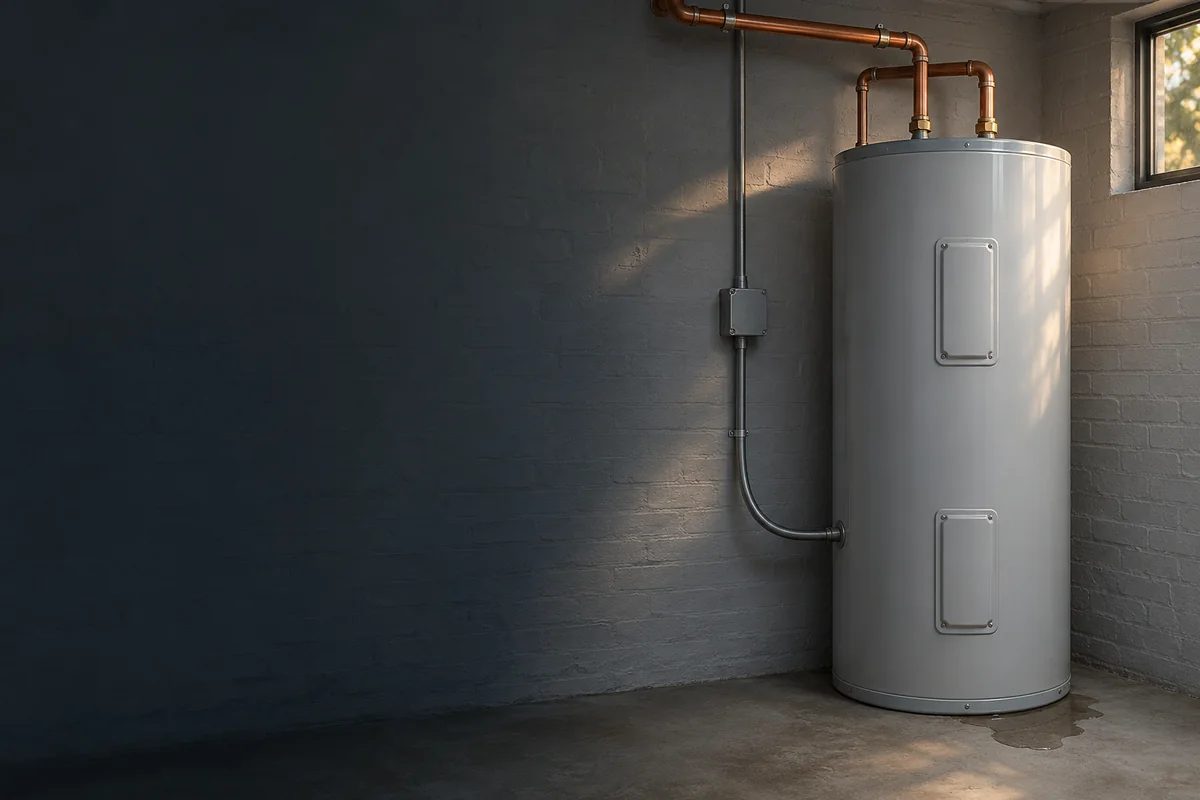
An orange streak, a damp valve and a puddle can leave you asking the same question: is the heater finished? Start with where the water comes from. Then compare a targeted repair with replacement on the condition that is actually found.
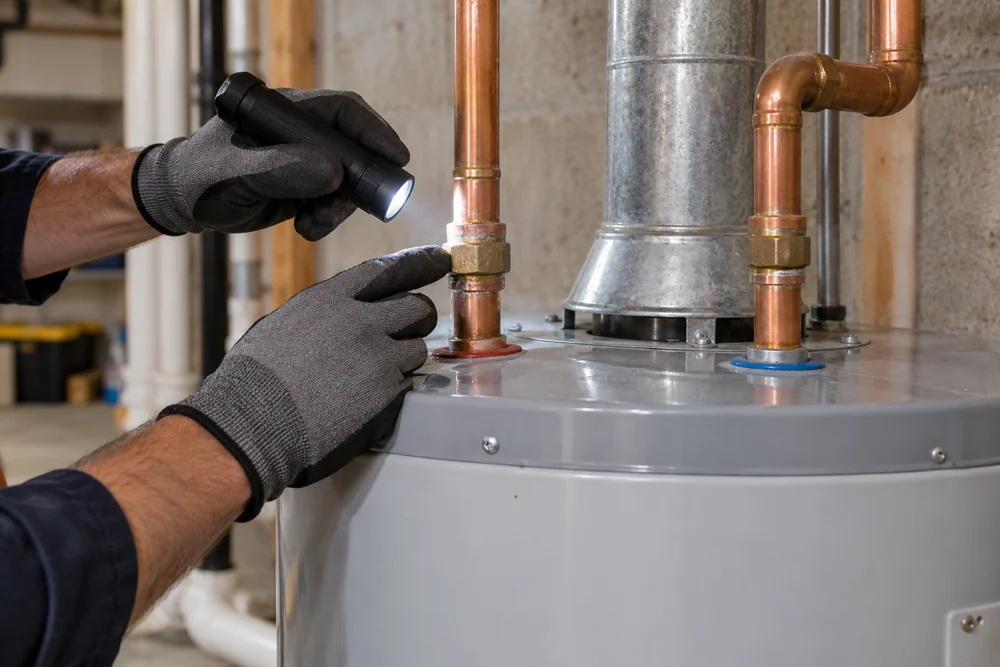
A rusty mark does not locate the leak. Ask whether the moisture begins at a connection, valve or the storage vessel itself. The repair recommendation should identify that source and the surrounding condition. A confirmed leaking storage tank calls for replacement; a serviceable connection fault needs a different discussion.
Manufacturer background: A. O. Smith on possible sources of water around a heater. Emergency guidance: NIPSCO and CPSC carbon monoxide information.
Combine familiar landmarks with the property details needed for an actual visit.
Give the exact property address, then explain how to reach the heater.
The KHCGCC City-Line system map labels Markland Heights and shows Markland Avenue, Plate Street and Apperson Way as local references. Markland Mall publishes its address as 1114 South 17th Street, Kokomo, IN 46902.
Use a familiar reference to orient the conversation, then provide your own street number, unit and ZIP. A mall address is a landmark, not the service address for your home or a LeakRescue Pros branch.
Mention a side entrance, stairs to the equipment or a utility cupboard behind another appliance. The neighborhood name does not tell the provider which heater you have or what access the work will require.
Local references: KHCGCC street and neighborhood mapping and Markland Mall’s published address.
Separate what you can see from what you think needs replacing.
| What You Can See | What To Report | Relevant Service |
|---|---|---|
| A Dry Rust-Colored Trail | Where the mark begins and whether you have also seen fresh water. | Leak Detection → |
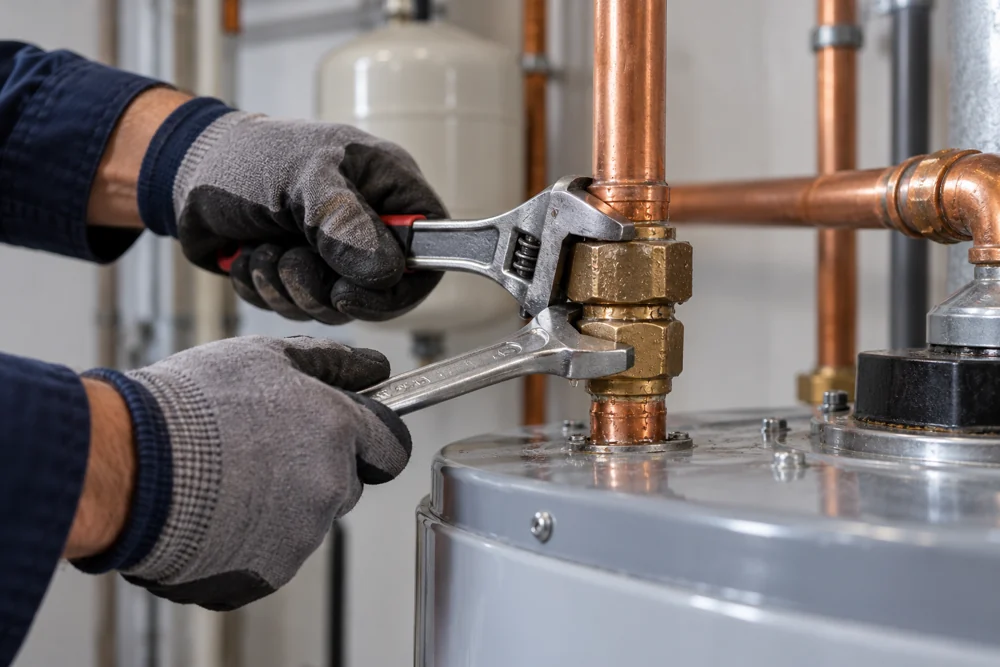
| A Wet Upper Connection | The highest visible wet point, without moving pipes or reaching over the heater. | Pipe Leak Repair → |
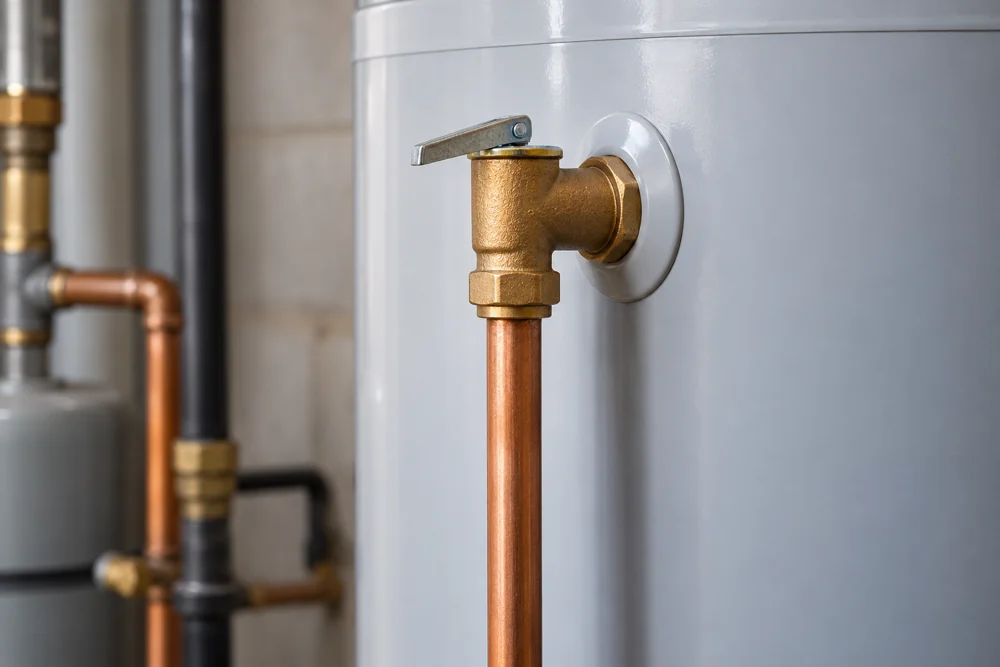
| A Dripping Relief Outlet | Whether discharge is intermittent or continuous; leave the outlet unobstructed. | Relief Valve Assessment → |
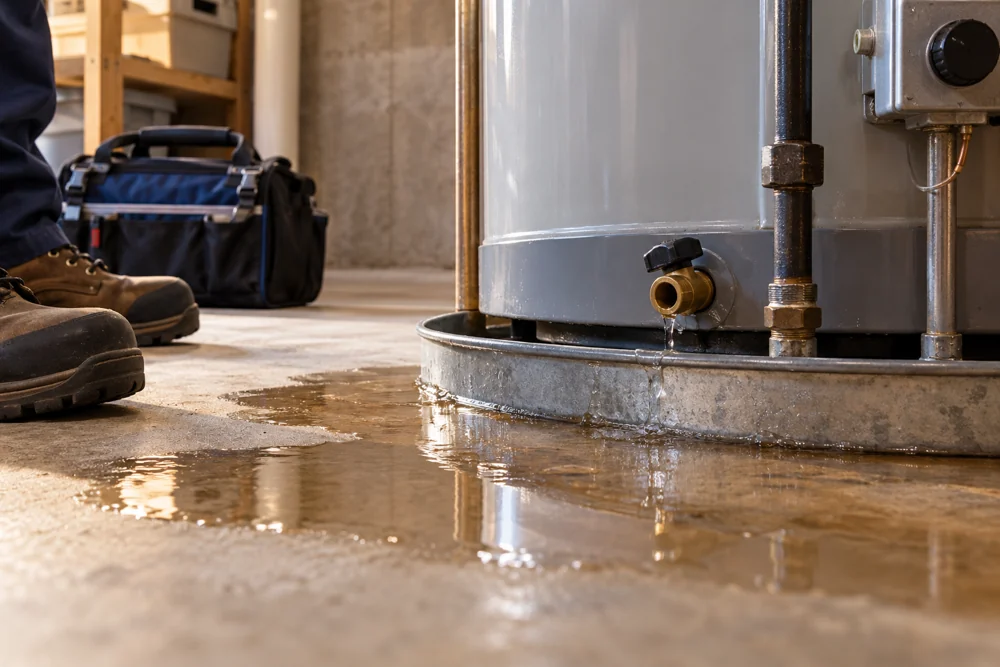
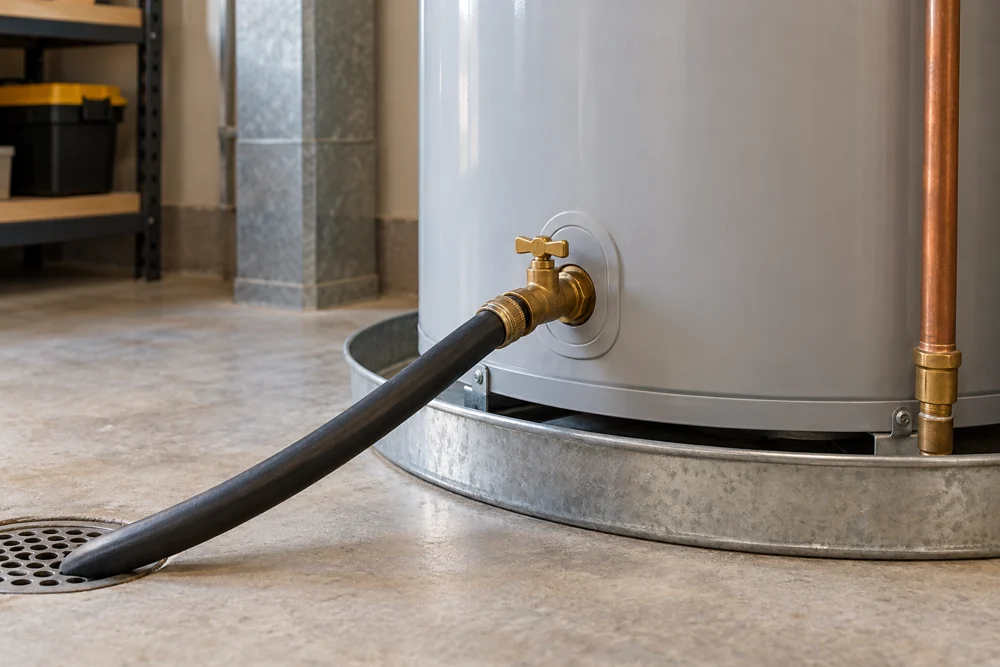
| Water At The Low Drain Valve | Whether water appears at the outlet or around the valve connection. | Drain Valve Service → |
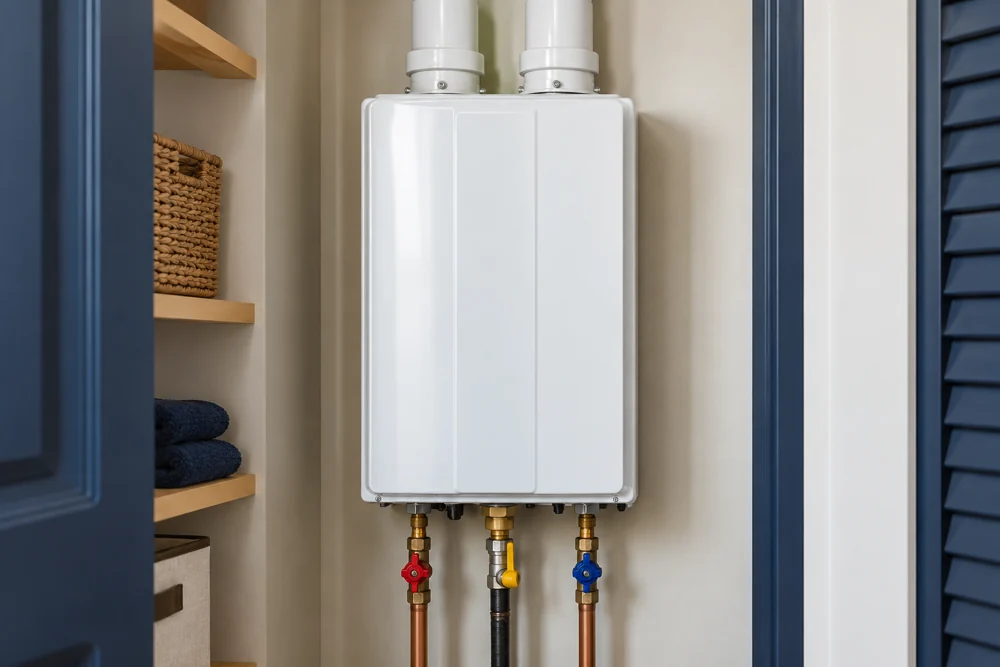
| Water Under A Tankless Unit | The visible drip, any displayed code and whether hot-water delivery changed. | Tankless Repair → |
| An Expanding Wet Area | How far water has spread and whether access is unsafe. | Emergency Leak Requests → |
Photos can record an observation when taken from a safe, dry position. They do not replace an assessment of the equipment, water path and connections.
Clear service information helps you ask useful questions before approving paid work.
A stain low on the jacket may begin higher up. Ask for a specific source and an explanation of any uncertainty that remains.
Know whether the estimate covers a connector, valve, pipe section or complete heater. Related changes should be explained separately.
Share earlier repairs, installation records and any previous leak at the same spot. Keep the new finding and completed work together.
Confirm the attending company, checks performed and applicable work terms. Ask who handles a returning drip or unresolved complaint.
Already been told you need a new heater? Ask what is leaking, why repair is unsuitable and what the replacement estimate includes.
Discuss The Leak And Next StepA repair at the front and work behind the tank can need different access.
Ask who handles any necessary opening, equipment movement and restoration. Do not move the heater, disconnect a pipe or remove a panel to prepare for the visit.
The attending provider confirms coverage, capability, scheduling, pricing and work terms.
Give your address, the heater type and where water or staining appears. Mention any active spread and change in hot-water delivery.
Ask which company will attend, whether it handles the actual model, the assessment charge and the available appointment window.
Request the finding, proposed parts or equipment, included labor and total price. Agree on authorization for any added work.
Ask what was corrected and checked. Keep the invoice, attending company contact and applicable parts and labor terms.
A useful proposal separates a serviceable fault, a failed tank and maintenance.
If the fault is in serviceable pipework or a component, ask what correction is needed and whether the rest of the equipment is suitable to retain.
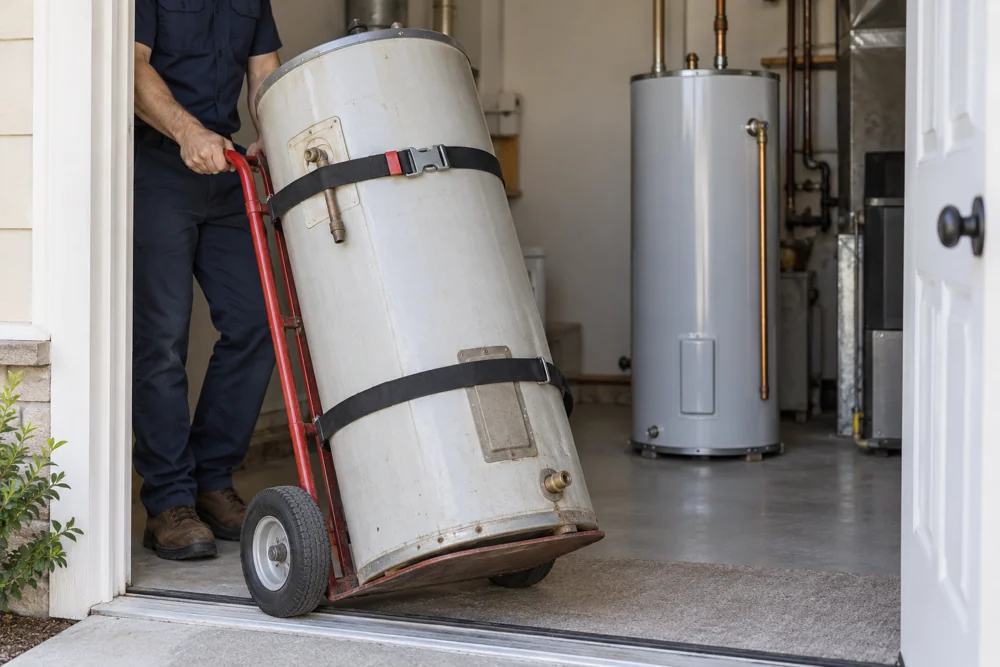
A leaking storage vessel needs replacement. Compare the new model, removal, disposal, connection work and startup requirements in one estimate.
Water Heater Replacement →Flushing is maintenance, not a repair for a failed storage vessel. Ask why it is appropriate for the actual heater and how the leak will be addressed.
Water Heater Flushing →Equipment age, condition, work history and coverage can affect the decision. Ask for the reason behind the recommendation. References: A. O. Smith’s repair and replacement considerations and confirmed tank leakage.
The timing helps explain the complaint; it does not identify the failed part by itself.
Report when it was first noticed and whether fresh water has appeared there. A dry mark does not establish when moisture occurred or whether the problem is resolved.
Describe the recurrence and any earlier repair. Ask whether the new finding identifies the original source or a different wet connection.
Mention moisture on adjacent cold pipework or near another appliance. Ask whether a leak, condensation or another source explains the water path.
Do not scrape corrosion, disturb fittings or run the heater to make a drip return. Describe observations already made from a safe position.
Give the timing and nearby conditions without treating them as a remote diagnosis.
If you observed freezing conditions near the pipework, report that history. Do not assume that weather alone explains the current water source.
Mention broad surface droplets as well as any distinct wet joint. Condensation and a connection leak need distinguishing; they can be confused when water collects below.
Share the date and scope of recent installation, valve work or changes in the utility room. Keep the related paperwork available for the assessment.
Tell the provider about a washing machine, drain, pipe or wall that also becomes wet. The investigation may need a scope beyond the heater itself.
Report what happened at your property. A neighborhood name does not establish the home’s pipe material, water quality, pressure or flood exposure. Manufacturer context: condensation and cold inlet conditions.
Compare the defined work and total price rather than a headline figure alone.
Share safe observations and coordinate access before arranging assessment.
A useful first call explains the property, water and equipment.
Tell the owner or property manager about the water and establish who can authorize a diagnostic visit, repair and revised estimate. The person providing access may need a separate approval contact.
For replacement or changes to the installation, ask the provider to identify applicable project requirements and who is responsible for approvals and inspections.
Kokomo: Department Responsibilities ↗Find local request details alongside the service that fits the problem.
Choose another neighborhood for its location information. Confirm coverage and scheduling with the attending company for the exact service address.
Answers about visible marks, recurring moisture, repair choices and arranging a visit.
Yes. Give the actual Kokomo address, heater type and visible complaint. The attending company confirms coverage, capability, assessment charges and the available appointment window.
It does not identify the source. Ask whether the water starts at a connection, valve or the storage vessel and what finding supports the proposed work.
Describe when fresh water was last visible and whether it returns. Safe photos and earlier work records may help explain the history, but the equipment still needs assessment.
No. Water can travel from another source before collecting at the base. A confirmed leaking storage tank calls for replacement, while a connection or component finding needs its own scope.
Yes. Continued hot-water delivery does not establish that a leak is harmless. Report the water location and timing even if delivery has not changed.
Explain the outlet location and whether discharge is intermittent or continuous. Never cap or block it. Ask for assessment of the valve and the conditions causing discharge.
Requests can be made for these types. Give the actual fuel, type and safely available model details so the attending company can confirm capability for the equipment and fault.
Describe the wet point without disturbing it. Do not loosen or tighten connections, open panels or operate controls to reproduce the leak. Let the provider assess the installation.
Yes. Moisture on cold surfaces and leaking connections can leave water in similar places. Explain whether droplets cover a wider surface or appear at a particular joint so the source can be assessed.
It can help orient the conversation. Give your own street number, unit, ZIP and entrance instructions to confirm the service address. The mall is a landmark, not a LeakRescue Pros branch.
Contact the company responsible for the earlier work and describe the returning water. Keep the invoice, repair description and timing available. Ask what assessment and work terms apply to the return visit.
No. Flushing is maintenance and does not repair a failed storage vessel. The active leak needs its own source finding and appropriate correction.
No fixed arrival or completion time is guaranteed here. The attending provider confirms availability, parts, equipment capability and the work required. Mention active water spread when arranging assessment.
Keep the source finding, approved scope, invoice, completed-check details and attending company contact. Ask about applicable parts and labor terms and who handles a returning problem.
Local And Technical References · Local records give geographic context. Work on the actual equipment follows its model instructions and applicable project requirements.
KHCGCC: Markland Heights And Street ReferencesMarkland Mall: Published Landmark AddressA. O. Smith: Leak SourcesA. O. Smith: Water Around The HeaterA. O. Smith: CondensationA. O. Smith: Relief-Valve DischargeA. O. Smith: Repair And ReplacementKokomo: Department ResponsibilitiesCall with the property address, heater type and what you can safely observe. Ask about assessment, charges, provider availability and the next step.
Call (765) 227-1552LeakRescue Pros provides water-heater information and service requests. The attending provider confirms coverage, capability, scheduling, pricing and work terms.