The Model Named Up Front
Compare a specific heater and its installation requirements. A generic “new tank” quote leaves capacity, fuel, dimensions and warranty details unresolved.
A new heater needs more than a place to stand. Match the equipment to your hot-water use, available utilities and installation space—then agree on connections, startup checks and the finished scope.
A complete installation covers equipment selection, a suitable location, required supply and connection work, applicable approvals, model-specific startup and handover. A new location or change of heater type may need work beyond connecting the appliance. Ask for the model, installed scope and total price before approving the job.
If the reason for a new heater is an unexplained puddle, first establish whether the tank or a repairable connection is leaking. See water heater leak detection and replacement decisions and removal scope.
Choose equipment with the work around it in view, from initial assessment through handover.
Compare a specific heater and its installation requirements. A generic “new tank” quote leaves capacity, fuel, dimensions and warranty details unresolved.
The available circuit, gas supply, vent route, drainage and usable space affect the plan. Required changes should appear in the proposal before installation begins.
Know which company is attending, what the quote includes and how additional work will be approved. Clarify responsibility for applicable permits and inspections.
Ask which startup and connection checks were completed. Keep the installed model, service record, operating instructions and follow-up contact together.
Comparing installation quotes? Ask each provider to name the equipment, required connection work, disposal arrangements and completion checks.
Discuss Your InstallationA clear proposal describes the appliance and the finished system around it.
Explain whether this is a new location, an equipment change or an existing-heater replacement.
A similar-looking model can still have different dimensions, connection positions or requirements. Ask what can remain and what must change.
Tell the provider if the heater is moving. Water routing, supply, venting, drainage and access need assessment for the proposed position.
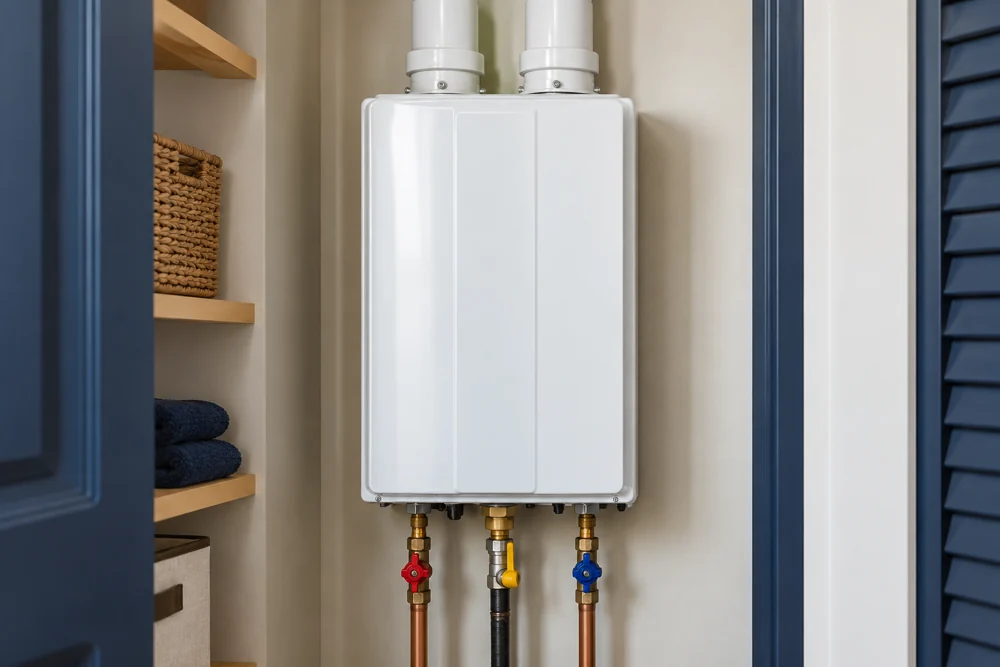
An on-demand unit has its own capacity and installation requirements. Compare the entire conversion, including supply, vent route and service access.
Confirm the actual model’s electrical requirements. For heat-pump equipment, assess air, room conditions, condensate and sound as well as tank capacity.
Describe the busiest shower period and appliances used together. Additional occupants or a remodel can change the demand the installation must meet.
Give the installer the exact model before arranging delivery. A heater that fits the shopping budget may still require unplanned installation changes.
There is no single heater type that fits every property, budget or pattern of use.
| Heater Type | Selection Question | Installation Review |
|---|---|---|
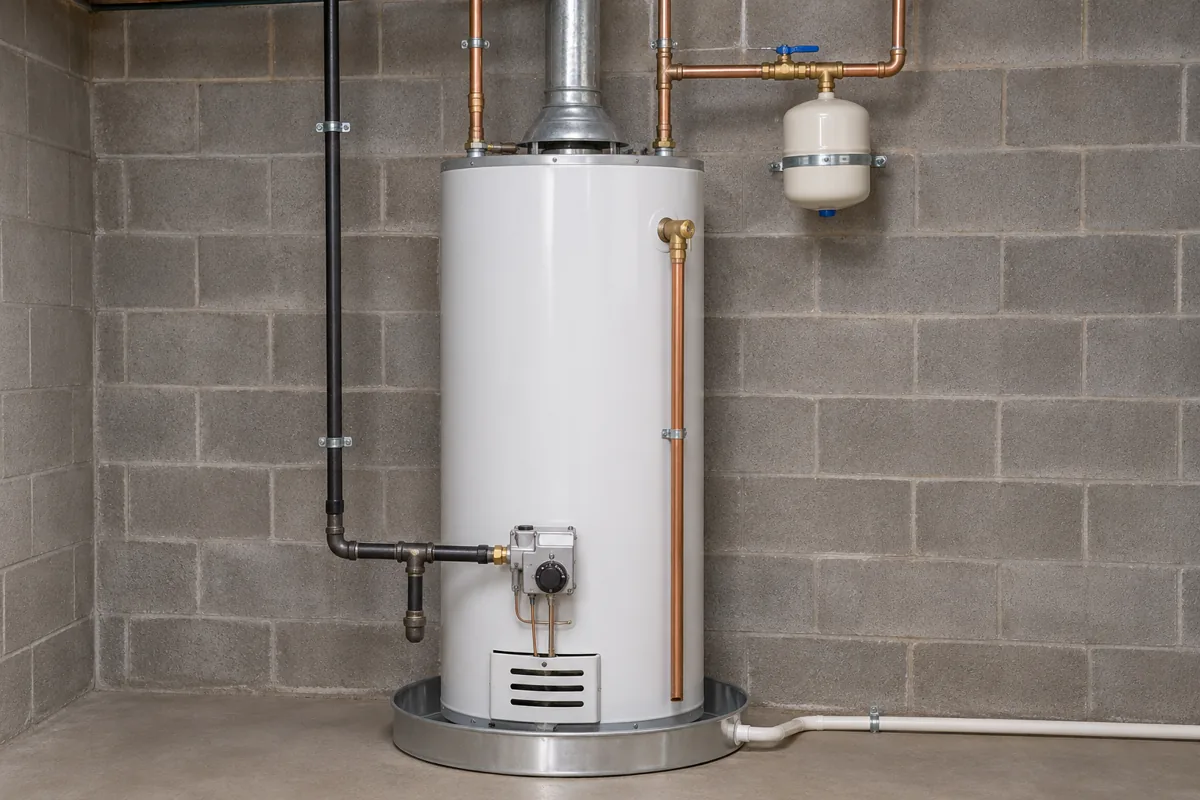
| Gas Storage | Tank delivery and recovery matched to household use. | Gas supply, vent system, combustion air, water connections and access. |
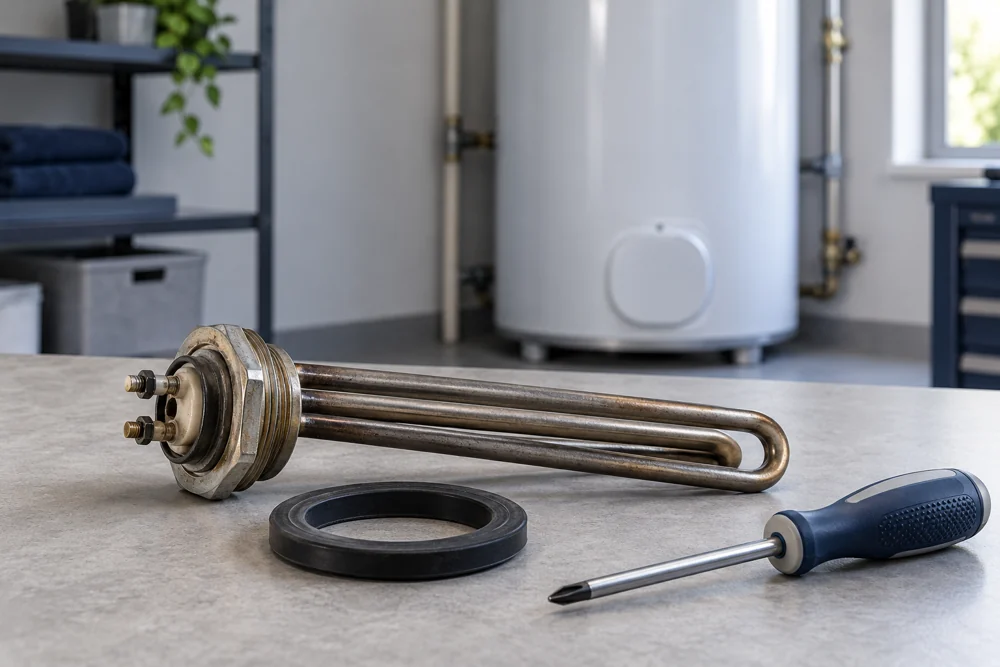
| Electric Resistance Storage | Delivery rating and physical size alongside the available electrical supply. | Model-specific circuit, wiring and connection requirements; water and safety components. |
| Heat-Pump Storage | Delivery, operating modes and suitability of the proposed room. | Air and service space, room conditions, condensate, sound and electrical requirements. |
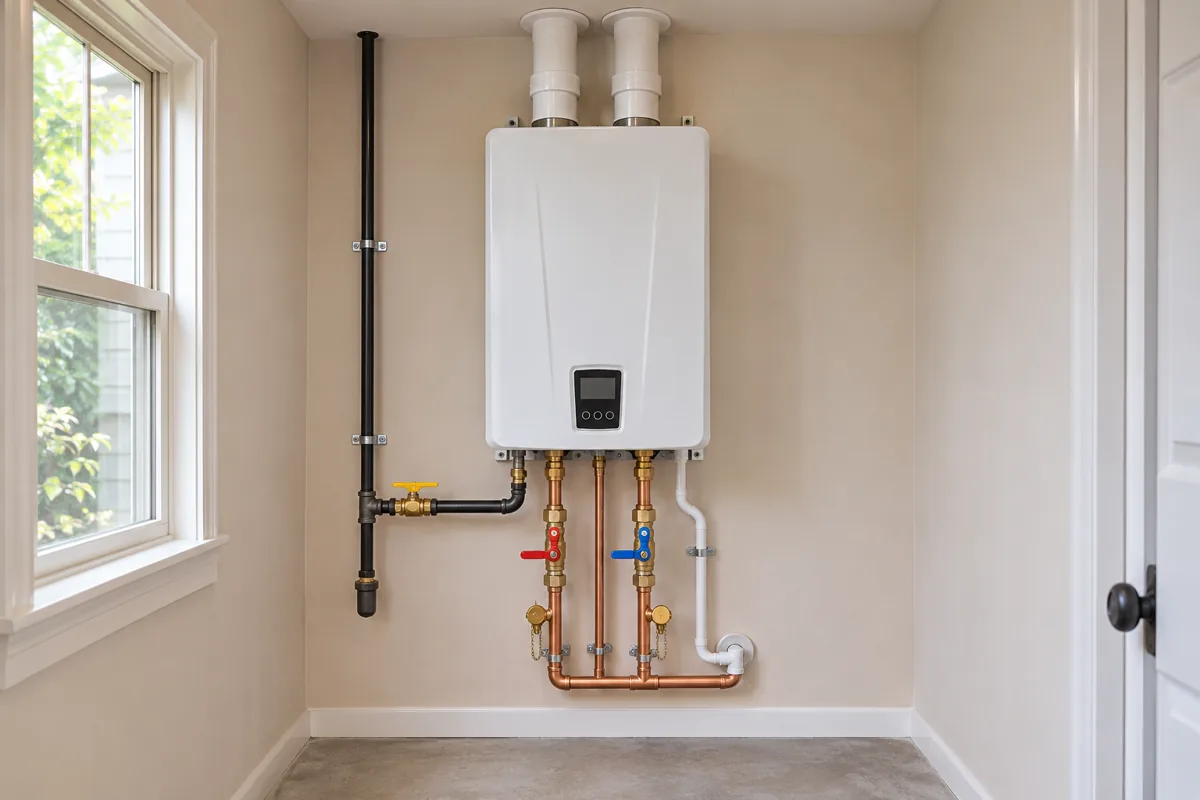
| Tankless | Simultaneous hot-water flow at the required temperature rise. | Supply capacity, mounting, service valves and model-specific venting or drainage. |
Ask which proposed model fits both the home’s demand and its installation conditions. References: ENERGY STAR heat-pump design guidance and PNNL tankless installation planning.
Describe your busiest hot-water period: showers, baths and appliances likely to run together.
For storage heaters, compare first-hour rating as well as tank volume. First-hour rating describes delivery in an hour that starts with a fully heated tank; equal tank sizes do not necessarily deliver the same amount.
Capacity must match simultaneous demand under the expected incoming-water conditions. A unit can keep heating without a storage tank and still have a limit on the fixtures it serves together.
Ask for the sizing basis with the model recommendation. Reference: PNNL’s first-hour-rating planning tool.
Room conditions and the surrounding connections affect the scope as much as the heater itself.
Measure the installation area and route for moving equipment. The location must allow the selected model’s clearances and future access to valves, controls, filters and service connections.
A new model can change the required supply. Establish whether gas capacity, circuit work or another utility change is part of the job, and who will carry it out.
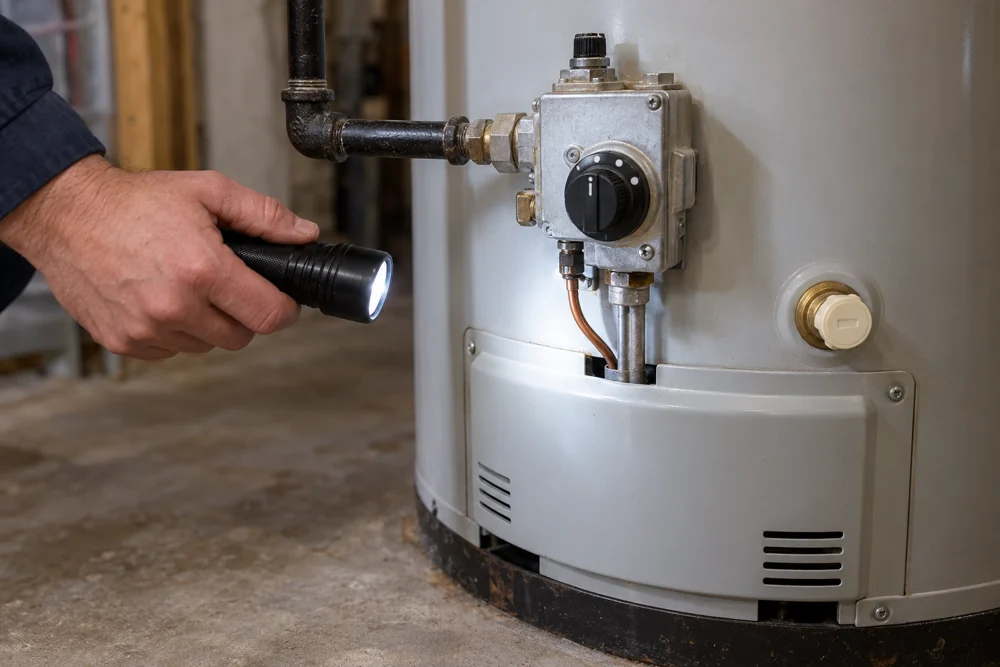
Gas equipment needs a suitable venting and air arrangement. Condensing and heat-pump equipment may also need condensate management. These details depend on the selected model.
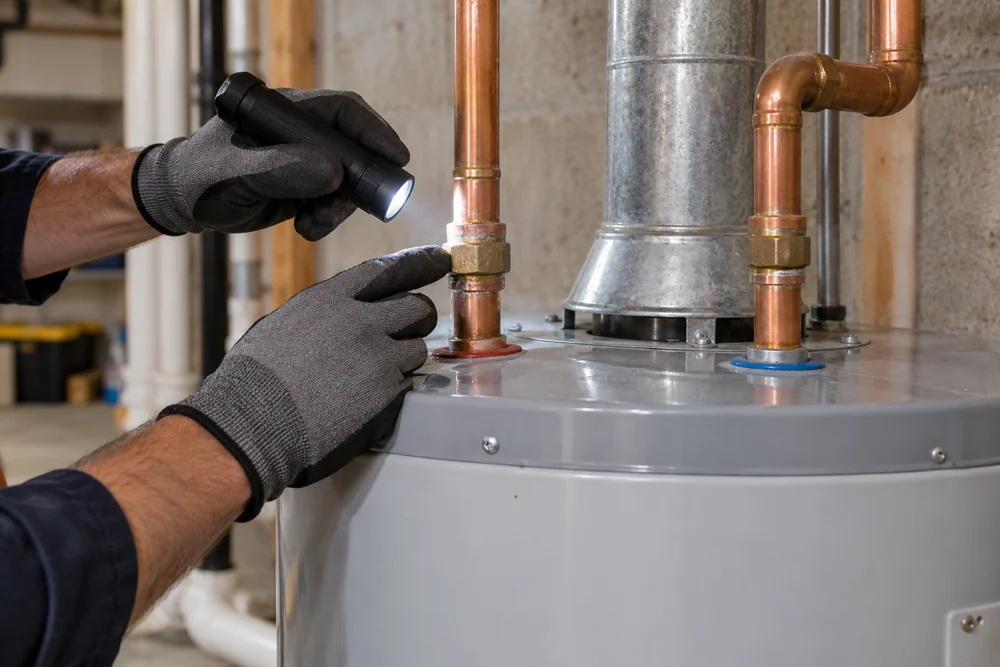
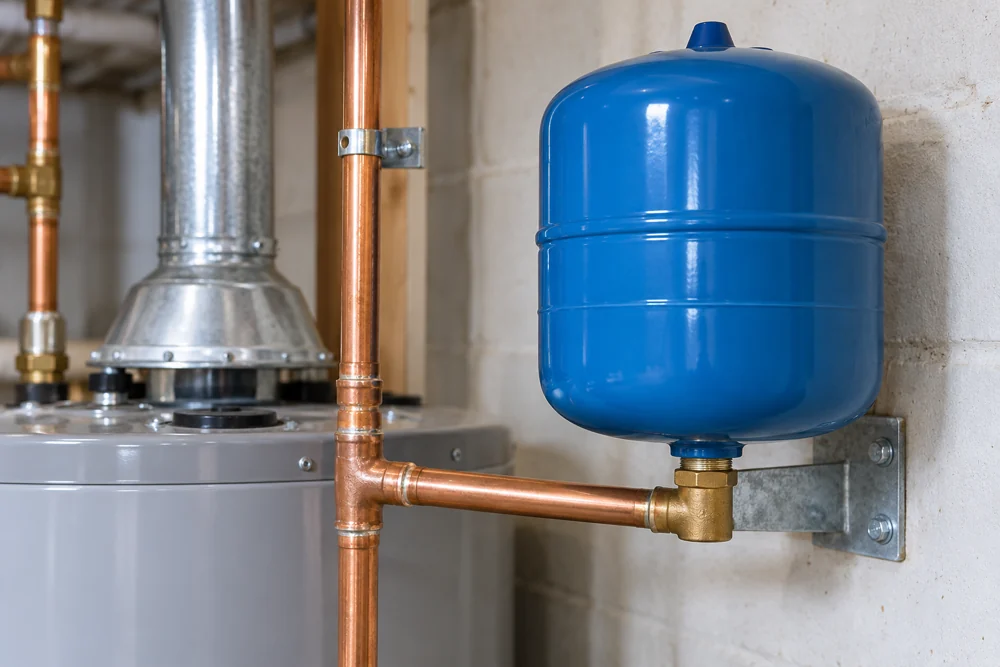
Review isolation, connection condition, relief discharge, pressure and expansion control. Discuss pan and drainage arrangements where required; a pan cannot prevent every form of water damage.
A new appliance should not inherit an unsuitable installation simply because the old heater used it. Ask the provider to identify required corrections before final approval. See expansion-control service and relief-valve service for related issues.
The work should follow an agreed plan, with the finished equipment and documentation explained.
Share household use, existing equipment and project goals. The provider assesses fit, supply and installation conditions before recommending a model.
Review the model, work included, applicable approvals, access, removal and any separate trades. Clarify the approval process for changes.
The attending technician carries out the required preparation, positioning and connections. A new location or different technology may involve additional work.
Ask which checks were performed, how the controls work and what maintenance is needed. Keep documents and the follow-up contact before the job is closed.
Choose the installation path before treating two equipment prices as equivalent quotes.
A similar fuel and tank size can simplify some decisions. They do not prove the new model can reuse every vent, connection or clearance.
Review Installation Scope →Include supply changes, drainage, venting, service space and future maintenance when comparing tankless or heat-pump options.
Compare Heater Types →A preferred cupboard or basement corner is only a starting idea. Assess water routing, utilities, access and suitability before buying the heater.
Review Site Requirements →If an existing heater has failed, compare the diagnosis and replacement scope too: water heater replacement in Kokomo.
A planned tank installation, a failed gas heater and a compact tankless setup called for different installation decisions.
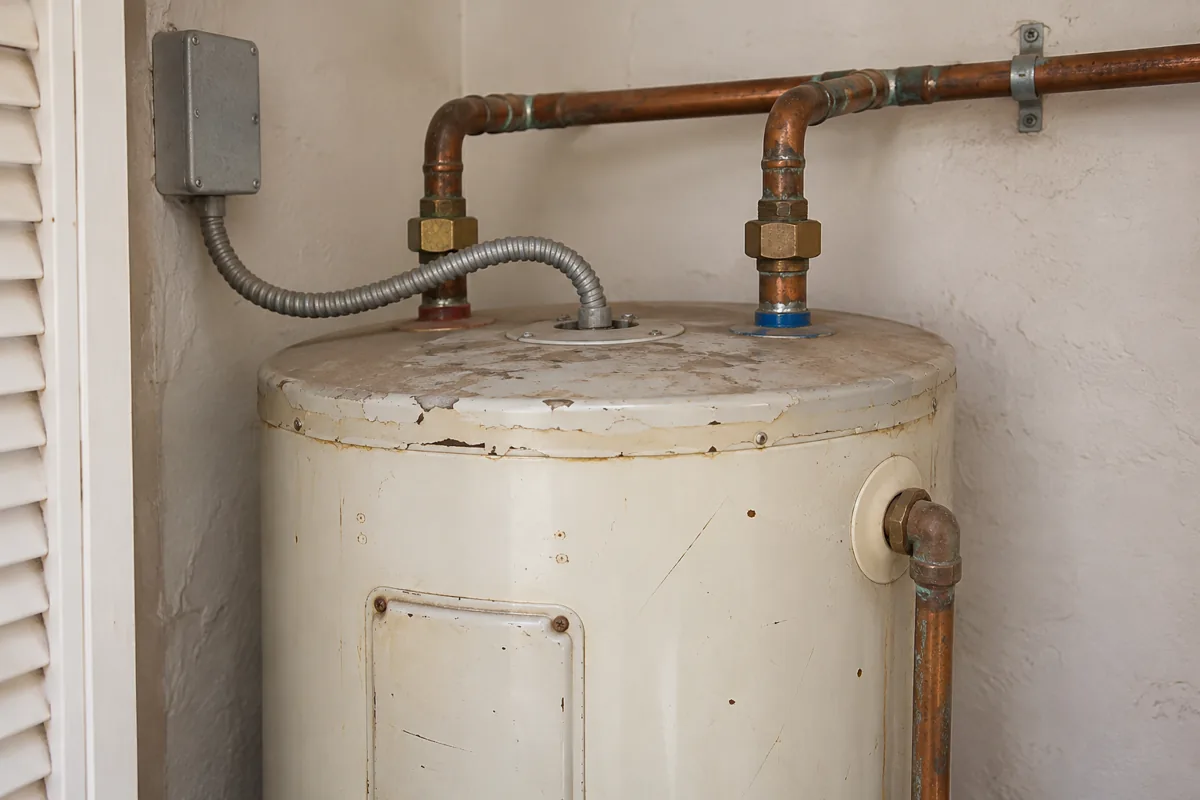
The family planned ahead while their 12-year-old tank was still working. The new equipment needed to suit a growing household’s hot-water use.
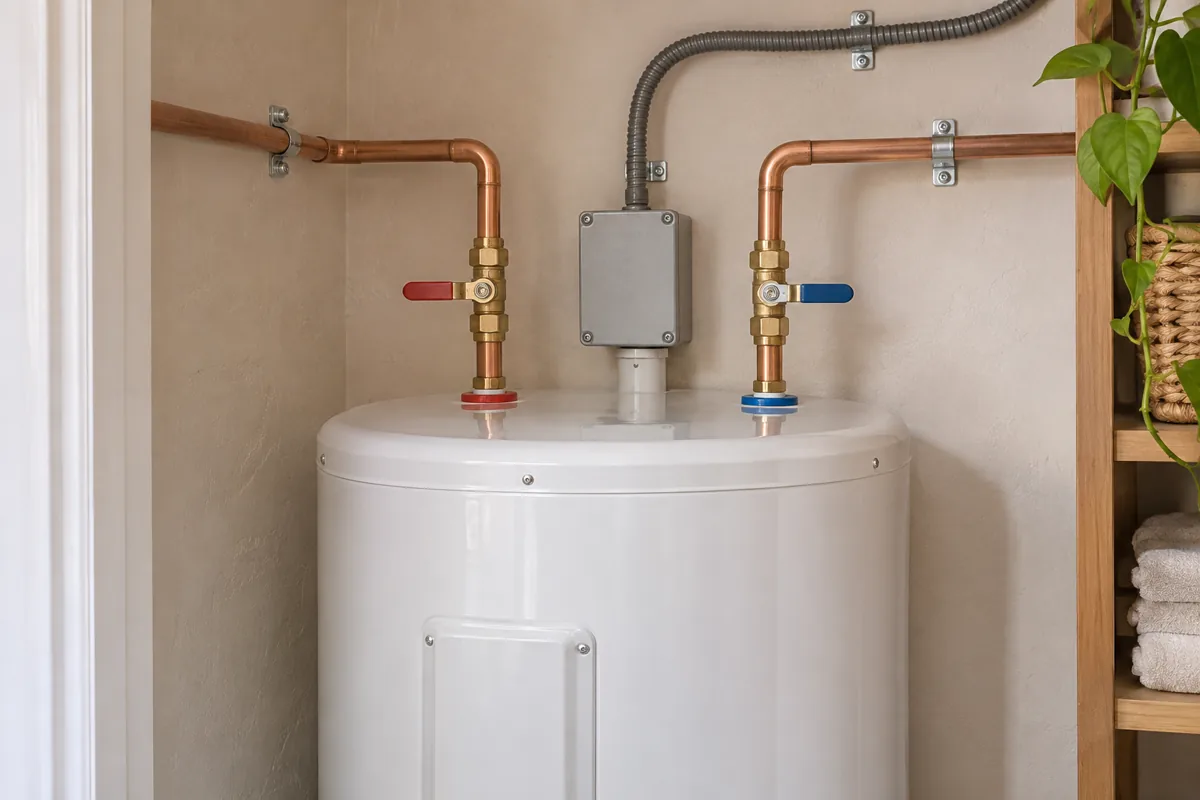
The planned tank swap was completed in a morning. The replacement was sized for the family and tested under use before handover.
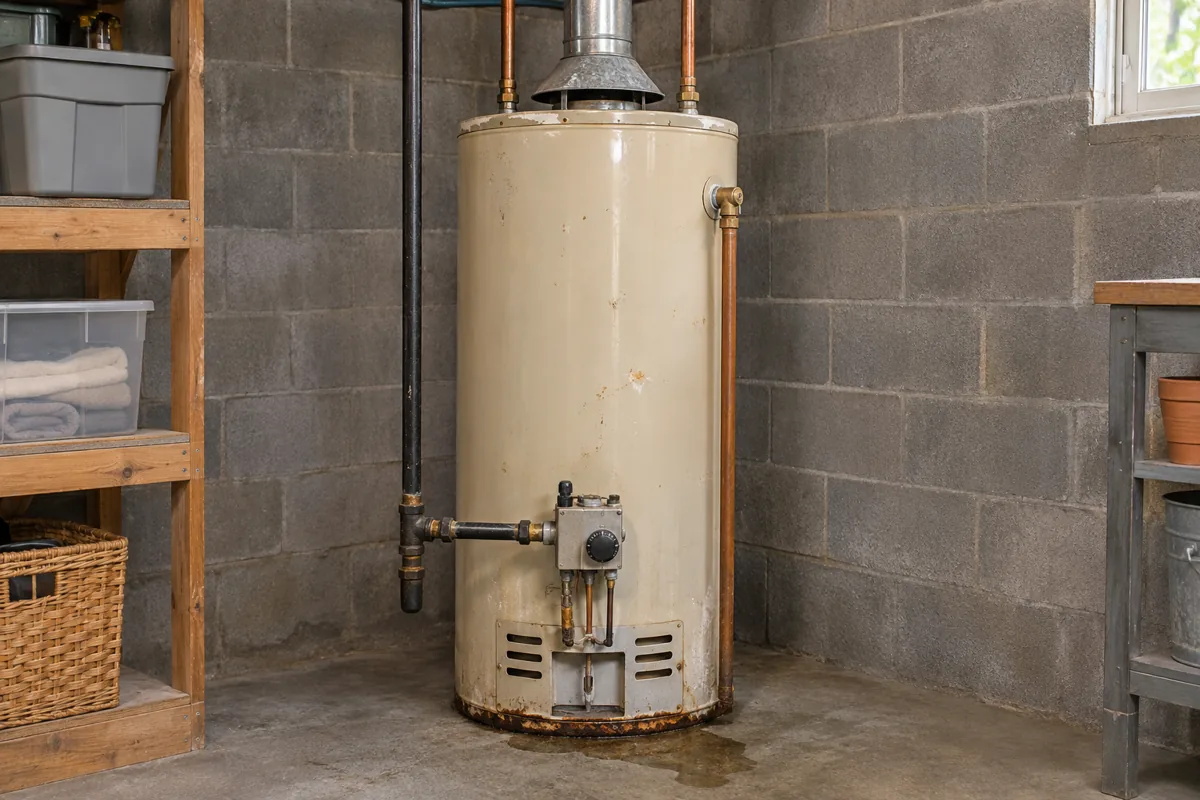
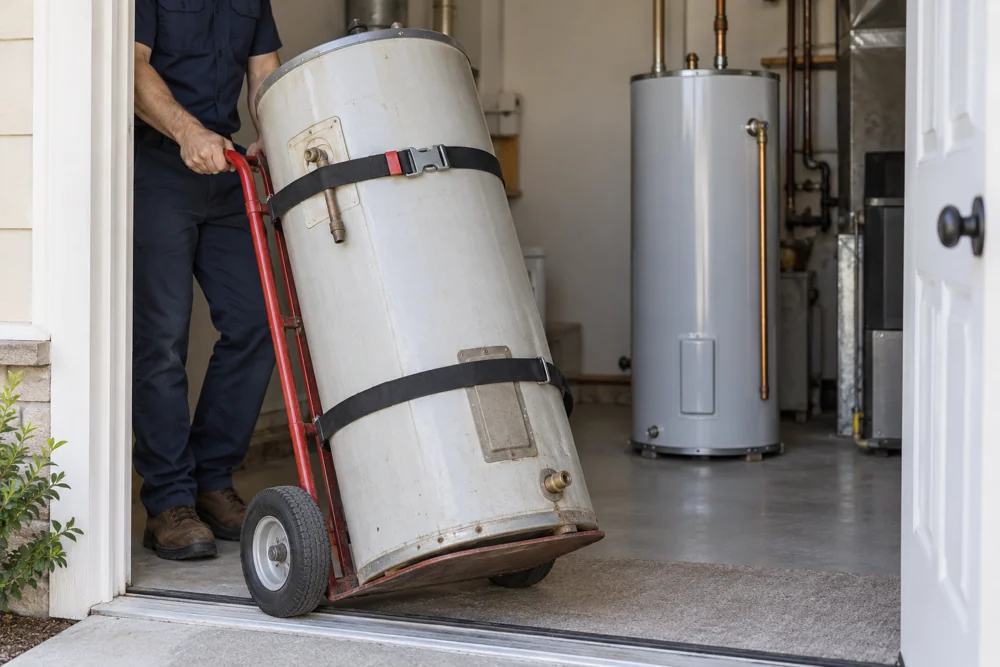
The 16-year-old gas heater was leaking from its base. The work required a new unit and removal of the failed tank.
The old heater was removed and hauled away. A correctly sized gas replacement was installed the same day with a fresh drain pan and expansion tank. Hot water was restored that afternoon.
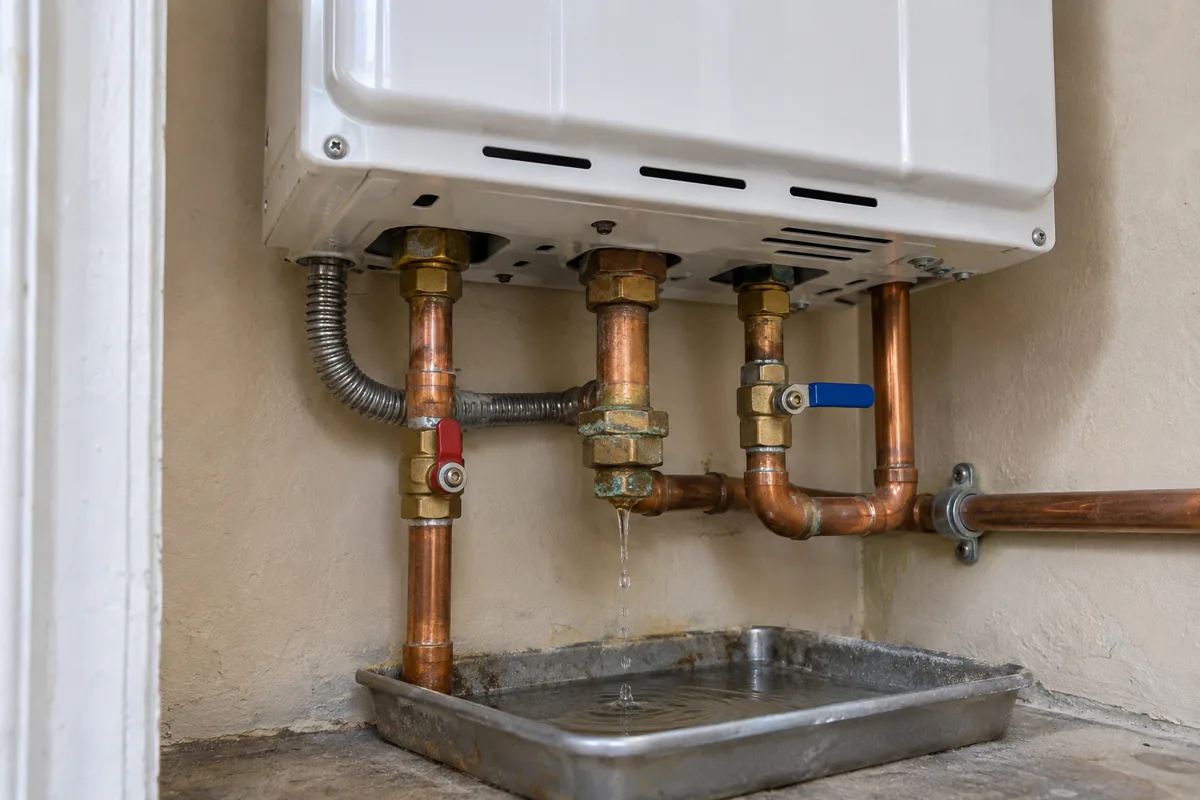
The installation had to work within a tight utility room. Equipment placement and the space around the heater mattered to the finished result.
The tankless installation left more usable floor space and neat piping. A yearly descaling plan was set for the equipment’s ongoing care.
Planning your own installation? Describe the location, current equipment and hot-water need. The provider confirms availability, capability and scope for your property.
Discuss Installation AvailabilityA useful estimate defines responsibility for equipment, installation and completion.
Compare quotes using the exact model and installed scope. Identify labor, fittings, supply changes, vent work, drainage and any separate trade. An appliance-only price is not the total project cost.
For a replacement installation, confirm draining, moving, haul-away and disposal. For a new location, ask which routes and connections are included and whether making good disturbed surfaces is excluded.
Request the manufacturer’s terms and installation labor coverage separately. Ask who registers the equipment, who handles a returning problem and which service charges may apply.
Model substitutions and additional findings should come with an explanation and revised price before approval.
Equipment, access and property details help turn an initial request into a defined project.
Give the provider enough detail to assess the equipment and the proposed installation.
The attending provider confirms coverage and scheduling for the actual property.
The model, labor, access, supply changes, venting, drainage and required approvals affect the total. A new location or conversion can add work that a similar-equipment installation does not need. Request a written scope with applicable fees and exclusions.
For a Kokomo basement, garage or closet, mention known flooding, freeze exposure or a cold installation space. The proposed location must suit the model’s operating conditions. Tankless sizing should account for expected incoming-water conditions.
The finished installation includes understandable controls, work records and a route for follow-up.
Ask which connection, startup and operating checks were completed for the selected equipment. A storage heater must be properly filled before heating; energizing an unfilled electric tank can damage its elements.
Have the provider explain normal controls, operating modes and the expected time to usable hot water. Heating a cold storage tank takes time; a tankless installation still needs its required commissioning.
Keep the model, serial number, invoice, warranty and installation record. Clarify any outstanding inspection or follow-up and the company to call if there is a leak, error or continuing delivery problem.
Reference: A. O. Smith’s filling and startup guidance. The actual model’s instructions control the procedure.
Answers about equipment, installation space, connections, quotes and handover.
Installation covers setting up and commissioning equipment. Replacement also involves removing an existing heater. A new location or different heater type may require additional supply, venting, drainage or connection work; the quote should identify which project is being priced.
Confirm acceptance and suitability first. Share the exact model, proposed location and available utilities. Ask about installation scope, delivery, damaged or incorrect equipment and the separate responsibilities for appliance warranty and installation labor.
Only where they suit the new model and applicable requirements. The installer should assess condition, supply and layout. Ask which items will be reused, which need changing and whether those changes are included.
Describe the busiest period of hot-water use and fixtures likely to run together. Ask the provider to explain the proposed model’s delivery rating and sizing basis. Tank volume alone is not the full decision.
It depends on the selected unit, simultaneous flow and required temperature rise. On-demand operation does not mean unlimited simultaneous delivery. Discuss the fixtures you expect to use together before approving the model.
The selected model and room must be assessed. Air and service space, operating conditions, condensate, sound and electrical needs can affect suitability. The old tank fitting in the closet does not prove the new equipment will work there.
The gas appliance needs a suitable venting and air arrangement. Ask whether the existing system can be retained, what changes the proposed model needs and which work is included. A different gas heater may have different requirements.
A proposed location needs its own assessment. Water routing, supply, venting, drainage, access and service clearance can change the scope. Ask for those changes to be assessed and priced before purchasing equipment.
Confirm requirements for the exact property and project before work begins. Ask the provider who obtains required approvals, pays applicable fees and arranges inspections. The written scope should name those responsibilities.
Confirm draining, moving, haul-away and disposal explicitly. A new installation with no old heater has a different scope. Also ask about access-route handling and any work excluded from the quote.
Startup and required checks must be completed first. A cold storage tank needs heating time. Ask the provider for the expectation for your model and how to report a continuing hot-water problem.
Ask which model-specific startup, water connection, relevant supply and operating checks were performed. Keep the installed equipment and work record, understand the controls and clarify any remaining inspection or follow-up.
The installed price depends on the model, labor, access, removal and required supply or connection changes. A conversion or new location can add work. Request a defined estimate with applicable fees, exclusions and an approval process for changes.
No completion time is guaranteed here. The attending provider confirms availability, equipment, access and required work. State whether there is an active leak or total loss of hot water so the request can be assessed appropriately.
Technical References · Use the selected equipment’s instructions and confirm current project requirements with the relevant authority.
PNNL: First-Hour Rating PlanningENERGY STAR: Heat-Pump Site RequirementsPNNL: Tankless Installation PlanningNavien: Equipment Installation ManualsA. O. Smith: Filling And StartupKokomo: Department ResponsibilitiesCall with your address, project type and equipment details. Ask about the site assessment, proposed model, installed scope, fees and availability.
Call (765) 227-1552LeakRescue Pros provides water-heater information and service requests. The attending provider confirms coverage, capability, scheduling, pricing and work terms.