Understand The Source
Ask for the point of failure and whether further investigation is needed. Water beside the heater should lead to a finding, not an unexplained equipment sale.
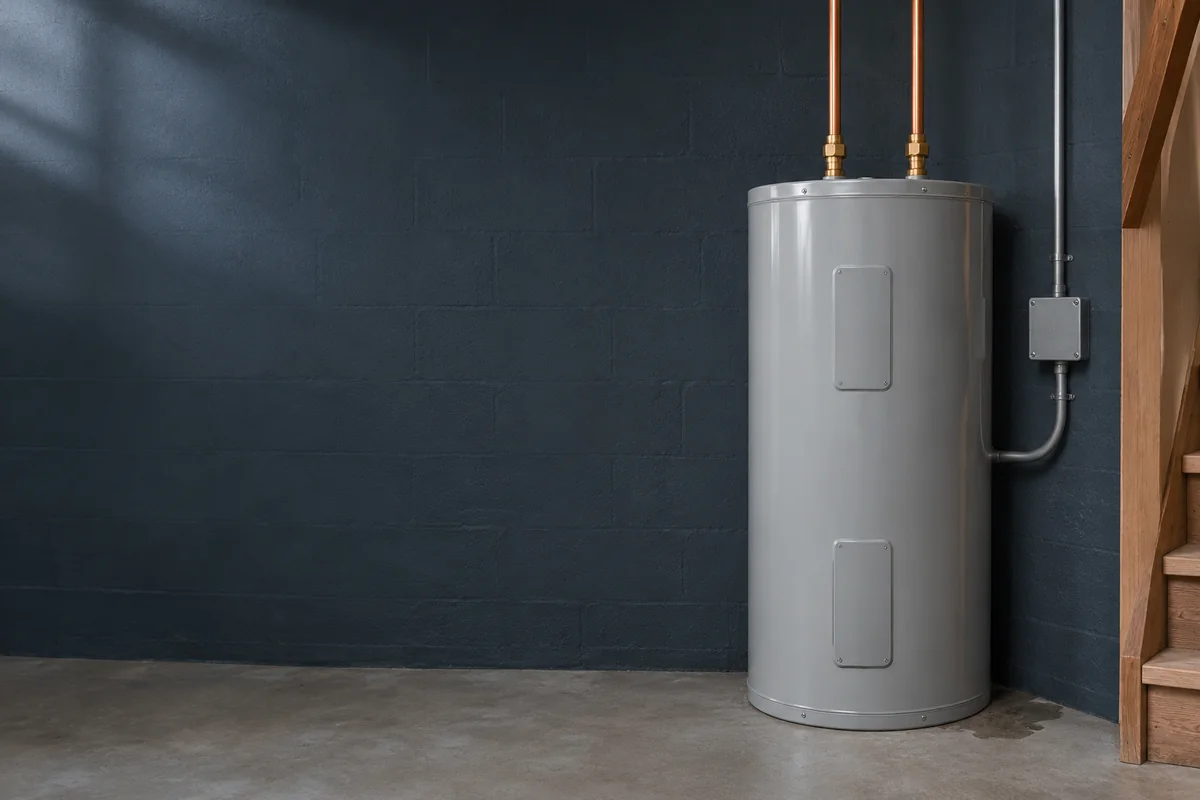
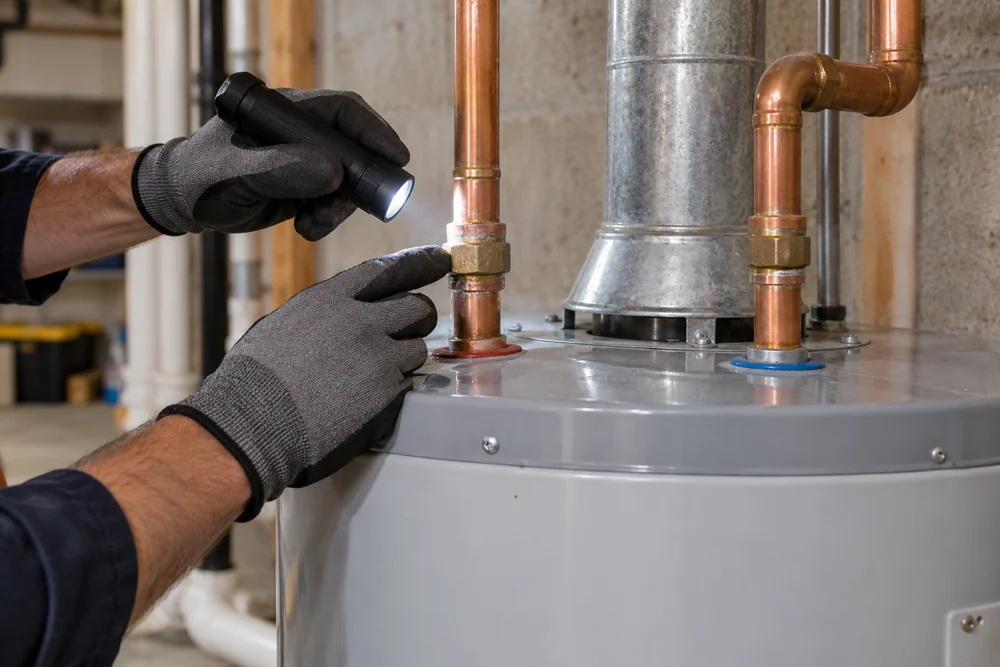
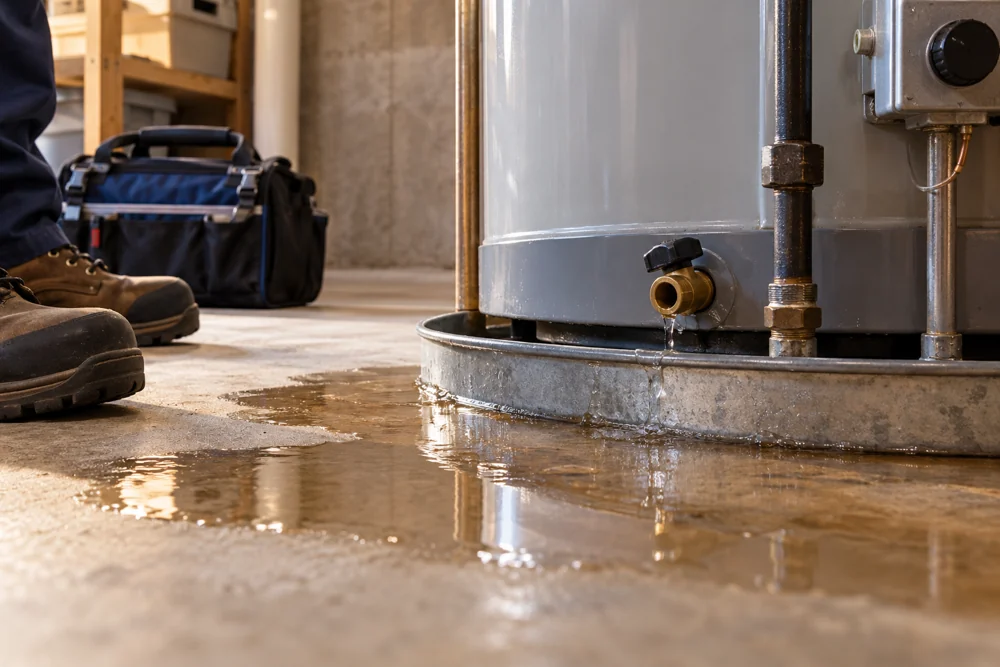
When water reaches the flooring beside your heater, there are two questions: where is it coming from, and what else needs attention? Describe the water path, the equipment and the access. Ask for a repair scope that explains both the finding and its limits.
Ask before approving work. Stopping a plumbing leak and addressing affected flooring, walls or finishes are different tasks. The estimate should identify the water source, the correction proposed and any access or restoration included. If another company needs to assess the affected area, clarify that handoff.
Keep the first conversation factual: where water is visible, whether it is spreading and whether access is safe. CPSC guidance covers gas-odor and carbon monoxide emergencies.
Familiar street references help; the exact address and route to the equipment complete the request.
“Near Forest Park” helps orient a conversation. Your street number and entrance instructions arrange the actual visit.
The KHCGCC Blue Line map labels Forest Park and the Forest Park Shopping Center. It identifies the Forest Park stop at Sycamore and Witherspoon and also lists Sycamore and Western as a street reference.
Use those references alongside your own address and ZIP. They do not establish a neighborhood boundary, a response time or which entrance a provider should use.
If the heater is reached through a side door, down stairs or past another appliance, explain that while booking. Report any water on the route so the provider knows whether a safe approach is available.
Local source: KHCGCC Forest Park and Sycamore Street mapping. Map references are for orientation, not a LeakRescue Pros branch or service appointment.
The starting point, spread and timing help explain the complaint without guessing at a repair.
| Where You See Water | Useful Detail For The Call | Relevant Information |
|---|---|---|
| Water Beside The Tank | Where the wet area begins and whether it is growing. | Leak Detection → |
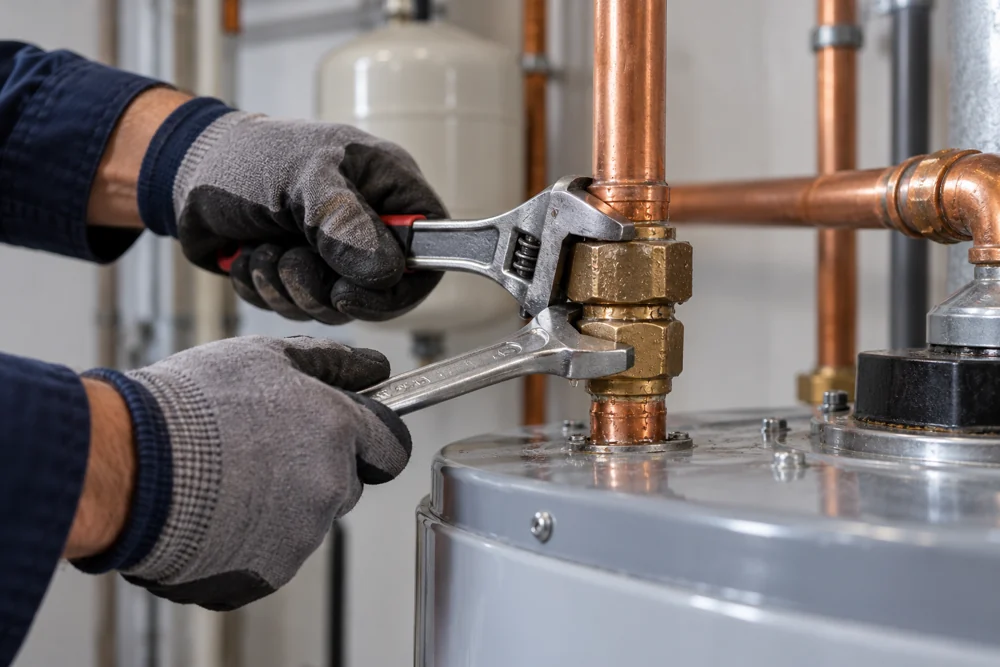
| A Wet Upper Fitting | The highest visible wet point and any trail down the jacket. | Pipe Leak Repair → |
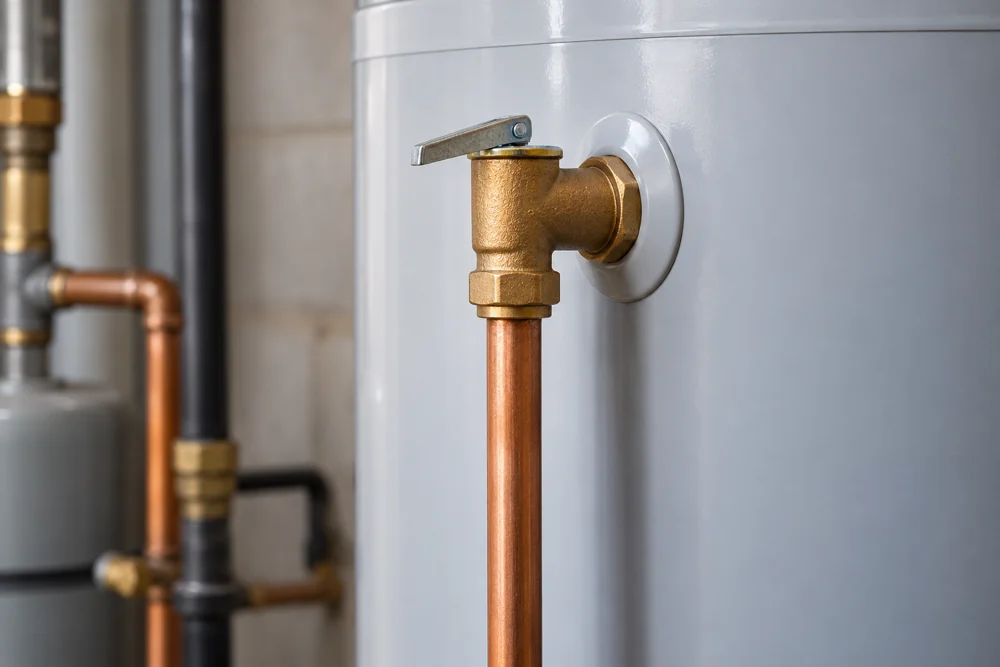
| Water At A Relief Outlet | The outlet involved and whether discharge comes and goes. | Relief Valve Assessment → |
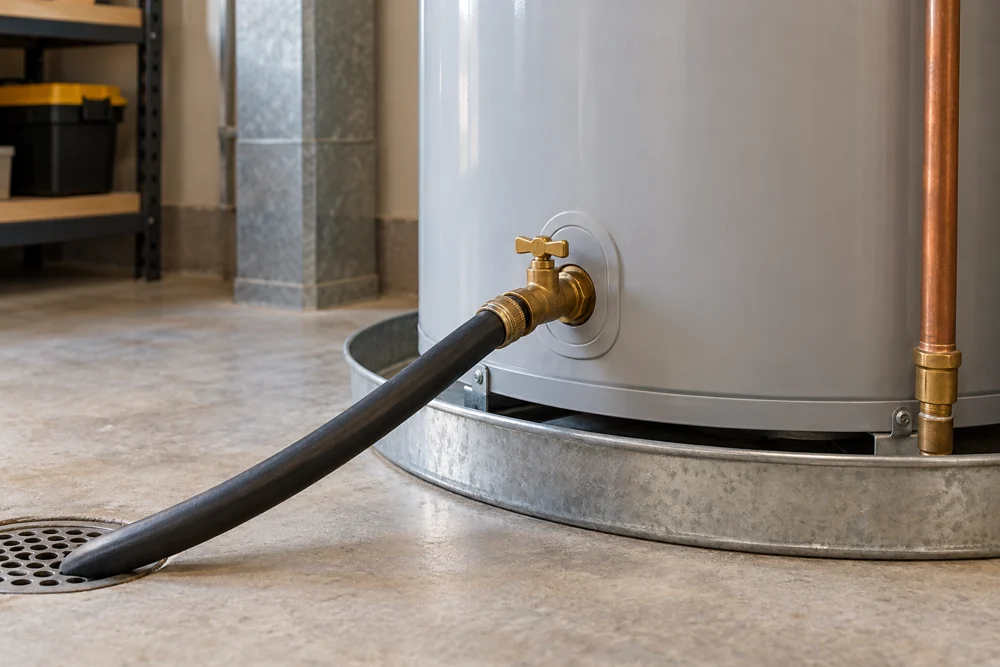
| A Low Valve Or Drain Area Is Wet | Whether the outlet, valve body or surrounding floor first looks wet. | Drain Valve Service → |
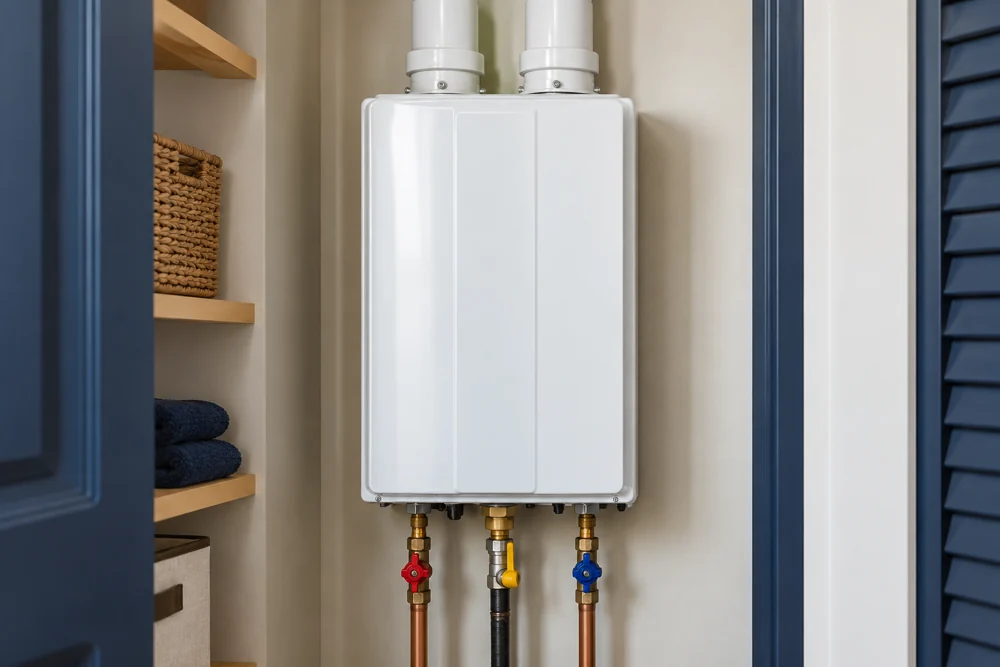
| Water Under A Wall-Mounted Heater | Visible drip location, displayed code and change in hot-water delivery. | Tankless Repair → |
| Water Reaching Another Room | Current spread, affected approach route and nearby electrical equipment. | Urgent Leak Requests → |
A wet floor does not identify the source by itself. The assessment may need to distinguish a connection, valve, tank or water from elsewhere. Reference: A. O. Smith’s water-around-the-heater bulletin.
Useful service information connects the leak, property access and agreed correction.
Ask for the point of failure and whether further investigation is needed. Water beside the heater should lead to a finding, not an unexplained equipment sale.
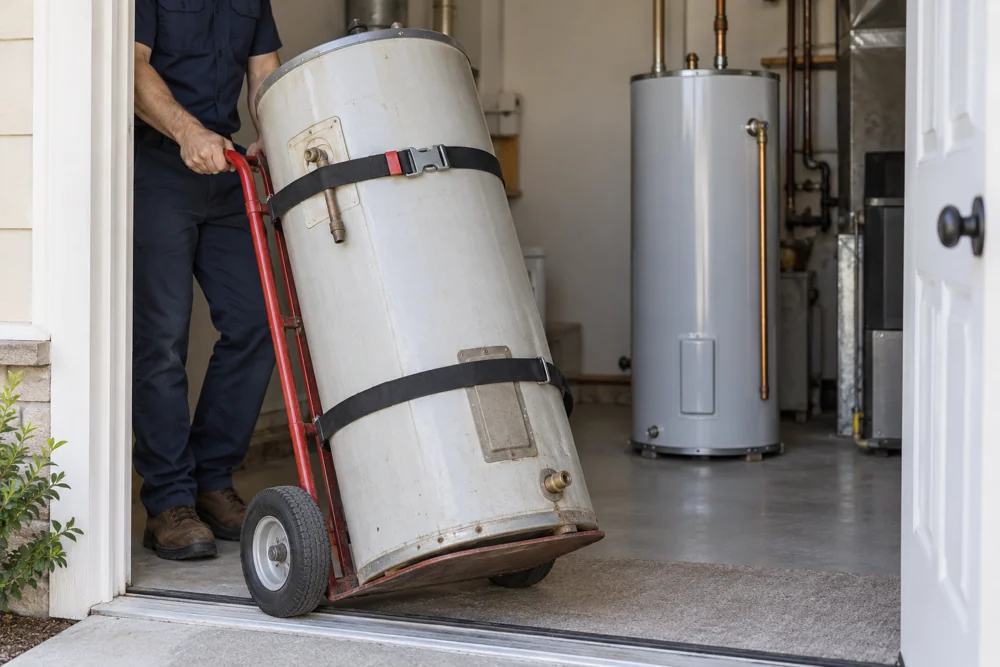
Describe the actual route and work area. Know whether openings, appliance movement or removal through a narrow doorway affect the proposal.
Clarify the plumbing correction, any drying or restoration assessment and who takes responsibility for each part. Keep exclusions visible in the estimate.
Ask which checks were completed and what remains. Keep the attending company’s contact and the record of approved and completed work.
Worried about a finished room beside the heater? Explain where the water has reached and ask which parts of the problem the proposed visit will cover.
Discuss The Leak And AccessA front-facing valve repair and removing a complete heater can involve different access needs.
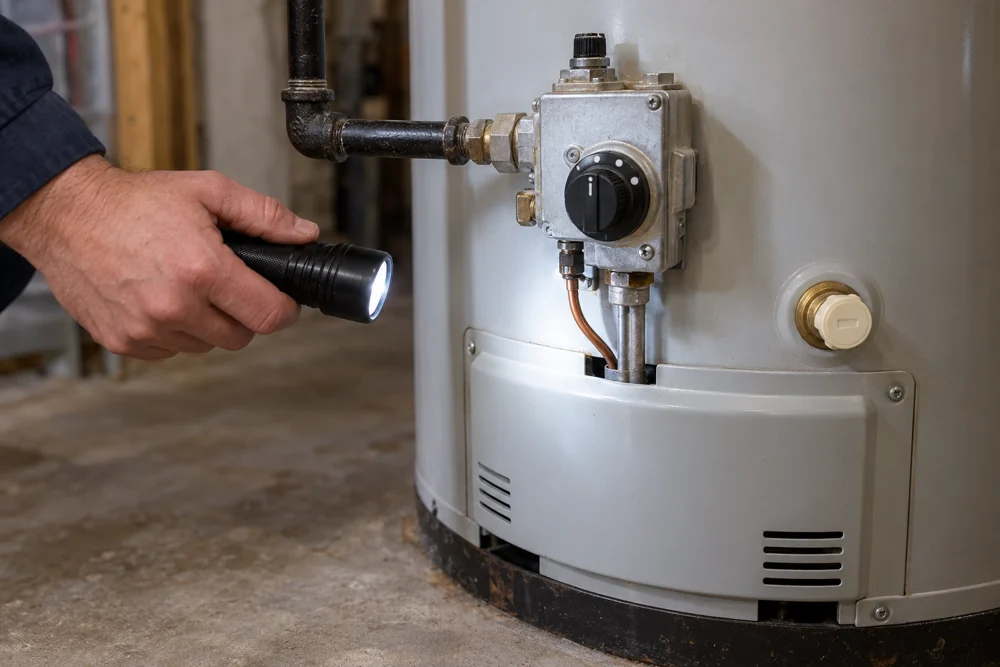
Only move belongings where the area is safe and dry. Do not move the heater, open service panels or disturb plumbing to make the leak easier to see.
The attending company confirms coverage, capability, appointment availability, prices and work terms.
Give the address, heater type, water location and timing. Mention active spread, changed hot water or a blocked approach.
Confirm the attending company, equipment capability, available window and charges. Explain who will provide access and approve work.
Ask which source was identified and what correction is proposed. Clarify parts, labor, access, exclusions and the total before approval.
Ask what was checked, whether anything remains and who handles follow-on work. Keep the invoice, terms and company contact together.
Ask for the source finding before comparing the equipment and installed scope.
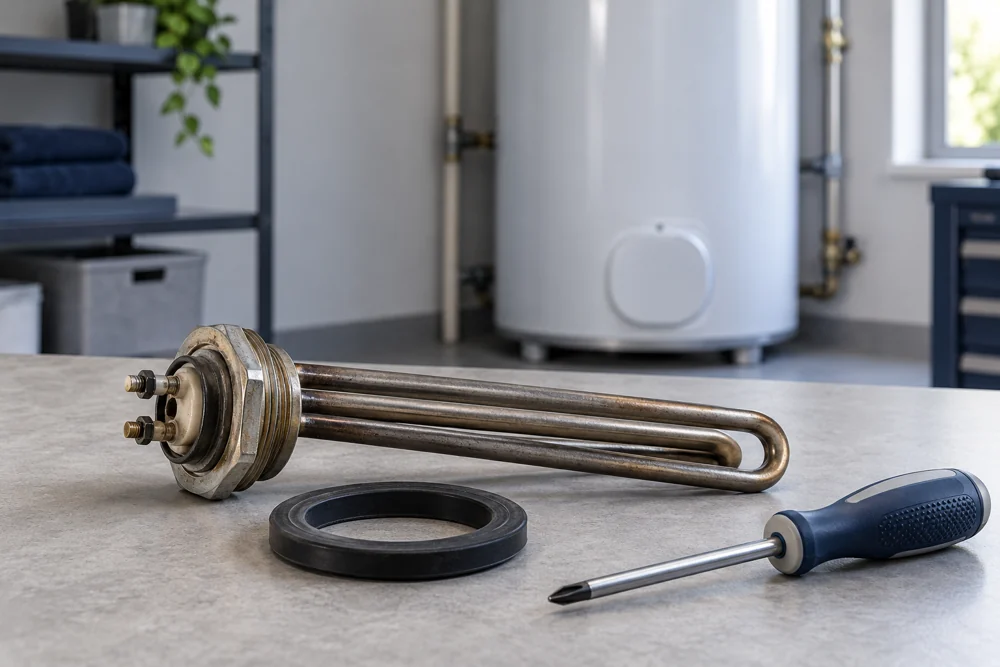
Ask which component is responsible, what condition surrounds it and whether the heater is suitable to retain. The quote should name the correction.
A failed leaking storage vessel needs replacement. Review the new model, removal route, connection changes, disposal and startup requirements.
Water Heater Replacement →Changing technology or moving the unit needs more than a product choice. Discuss the actual room, utilities, service access and required related work.
Water Heater Installation →The decision should reflect the actual fault, equipment condition, work history and applicable coverage. References: A. O. Smith’s repair and replacement guidance and confirmed tank leakage.
Put responsibilities in writing when more than one trade or company is involved.
Identify the leaking connection, valve or equipment and the work intended to stop that source. Ask whether checks are complete or whether a later check remains.
Name any opening, disconnection, movement or removal needed to reach the work. Establish who restores the opening or moves another appliance back.
Ask whether the attending company assesses wet walls, flooring or concealed materials. If those tasks are excluded, establish who you need to contact separately.
A repaired pipe and a dry-looking surface do not document the condition of everything behind a finish. Ask the relevant provider what was actually assessed and what is outside the work scope.
Timing and surrounding moisture help explain what needs assessment.
If you noticed the room becoming wet after rain, share that timing along with the heater complaint. More than one source may need investigating.
Mention exposure to freezing conditions if observed at the property. The weather history is useful context, not proof of where the current leak begins.
Describe surface droplets separately from a wet joint. Condensation and connection leakage need distinguishing when water appears below pipework.
Leave immediately and call 911 and the gas utility from outside. Do not stay inside to inspect the heater or search for the source.
Describe conditions at the actual home. Forest Park’s name does not establish a property’s water pressure, pipe material or flood exposure. References: A. O. Smith on condensation and CPSC gas and CO safety guidance.
The written scope should connect the finding, authorized tasks and price.
The property, water path and access information help define the next step.
Have these details ready for a more useful first conversation.
For a rental, managed home or a visit arranged for a relative, establish who authorizes diagnosis and repairs. Share the approval contact before a provider attends, including who can accept a revised estimate.
If replacement or installation changes are proposed, ask which project requirements apply and who handles any required approvals and inspections.
Kokomo: Department Responsibilities ↗Read local request information alongside the detailed service page.
Select another neighborhood for its location information. The attending provider confirms coverage and scheduling for the exact property address.
Practical answers about the water source, access, work scope and follow-on tasks.
Yes. Give the exact property address, heater type and visible problem. The attending company confirms service coverage, equipment capability, assessment charges and available appointment times.
Ask which tasks the estimate includes. The leak correction, access opening and assessment or restoration of affected materials can be separate scopes with different responsible companies.
No. Water may arrive from a connection, valve or another source. Ask what finding identifies the leak. A confirmed leaking storage vessel needs replacement.
Describe where it has reached and whether the approach is safe. Ask which company will assess the affected materials and whether that work is included or requires a separate appointment.
Requests can be made for these heater types. Share the actual fuel, type and safely available model details so the attending company can confirm capability for the equipment and fault.
No. Keep service covers closed and do not disturb the installation. Only share photos already available or taken safely from a dry position without approaching wet electrical equipment.
Describe the stairs, headroom, turns, door openings and nearby appliances. Ask whether the proposed repair or removal needs additional access work and who handles restoration.
Yes. Discharge can involve pressure conditions as well as the valve. Ask about the cause and the proposed correction. Never cap or obstruct the relief outlet.
Yes, that Forest Park reference appears on the KHCGCC map. Give your own street number, unit, ZIP and entrance instructions as well so the actual service address is clear.
The location and timing can help describe the complaint. Record observations only from a safe position; do not operate the heater or disturb connections to reproduce the problem.
No. Flushing is maintenance and does not repair a failed storage vessel. The active leak needs a source finding and the appropriate repair or replacement decision.
Coordinate that with the owner or property manager before booking. Identify who can authorize diagnosis, repairs and a revised estimate, and who will provide access.
No fixed arrival or completion time is guaranteed here. The attending company confirms availability, parts, equipment capability and the work required. Mention active water spread when requesting assessment.
Ask what source was corrected, which checks were completed and whether any follow-on task remains. Keep the invoice, attending company contact and applicable parts and labor terms.
Local And Technical References · Maps provide geographic context. Equipment work follows the actual model’s instructions and applicable project requirements.
KHCGCC: Forest Park And Sycamore Street ReferencesA. O. Smith: Water Around A HeaterA. O. Smith: Relief-Valve DischargeA. O. Smith: CondensationA. O. Smith: Repair And ReplacementCPSC: Gas And Carbon Monoxide SafetyKokomo: Department ResponsibilitiesCall with your address, heater type, water location and access details. Ask about assessment, charges, provider availability and the next step for the property.
Call (765) 227-1552LeakRescue Pros provides water-heater information and service requests. The attending provider confirms coverage, capability, scheduling, pricing and work terms.