A Diagnosis You Can Understand
Ask what failed, what evidence supports that finding and which symptom the work is expected to resolve. “It needs a new part” should come with an explanation.
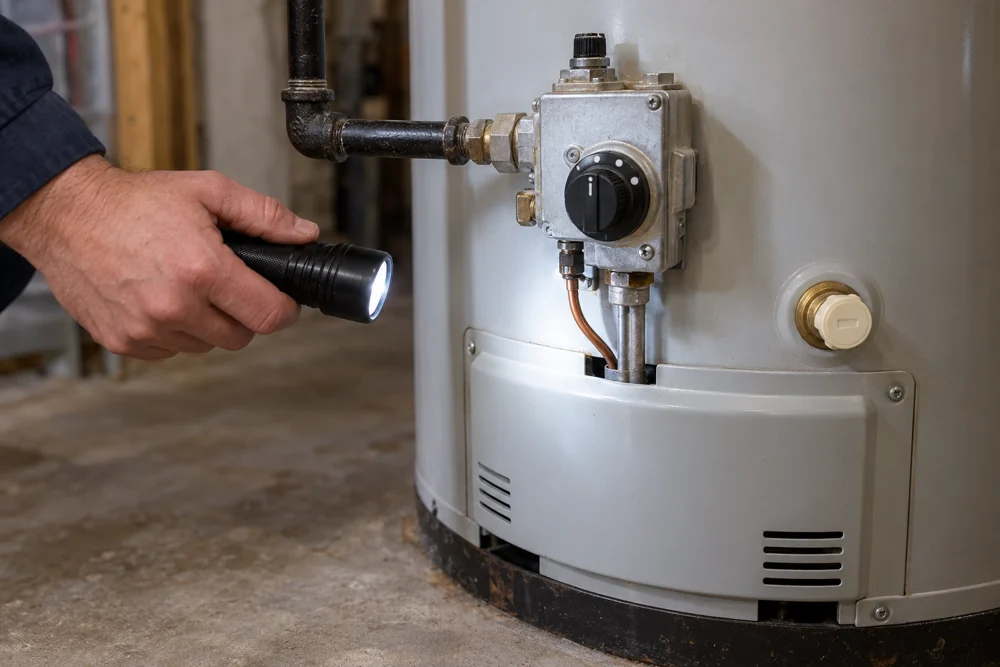
Get a clear diagnosis before replacing parts—or the whole heater. Discuss pilot and ignition faults, unreliable hot water and water-side leaks, with the right checks for your gas heater’s model.
Often, yes. A serviceable tank with an identified pilot, ignition, control or external water-connection fault may be repairable. A confirmed leak through the storage tank generally calls for replacement. The decision starts with the actual fault, model, condition and required safety checks—not the age of the heater alone.
Gas odor and a water leak need different responses. For spreading water without a suspected gas emergency, keep clear of wet electrical equipment and request urgent water-heater leak assessment. Do not attempt gas-control, burner or vent repairs yourself. Read NIPSCO’s gas-leak instructions.
Useful service starts with a specific complaint and ends with an explained repair decision.
Ask what failed, what evidence supports that finding and which symptom the work is expected to resolve. “It needs a new part” should come with an explanation.
Clarify the assessment fee, part, labor and any separate venting or water-side work. Confirm who will attend and what happens if the first visit identifies another issue.
An external leak does not establish a failed tank. Equally, a leaking tank should not be presented as a simple pilot repair. Match the recommendation to the condition found.
Keep the installed part information and work description. Ask how the heater was checked afterward and whom to contact if the original shutdown or leak returns.
No hot water and unsure what to report? Your address, heater model if safely readable, and a description of what changed are enough to begin the request.
Discuss Gas Heater RepairThe attending provider confirms coverage, equipment capability and the work needed at your property.
Describe what you noticed without opening, resetting or testing gas equipment to collect more information.
Say whether every hot tap is affected or only one shower or faucet. That difference helps define the complaint before heater parts are considered.
Report the repeat outage and anything already recorded. Do not keep cycling controls, remove the burner door or assume a thermocouple is the cause.
If safely visible, note the exact light pattern, pause or displayed message and the heater model. The same flash count can mean different things on different controls.
Mention what changed: the number of showers, a new fixture, an unexplained hot-water loss or a heater taking longer to recover.
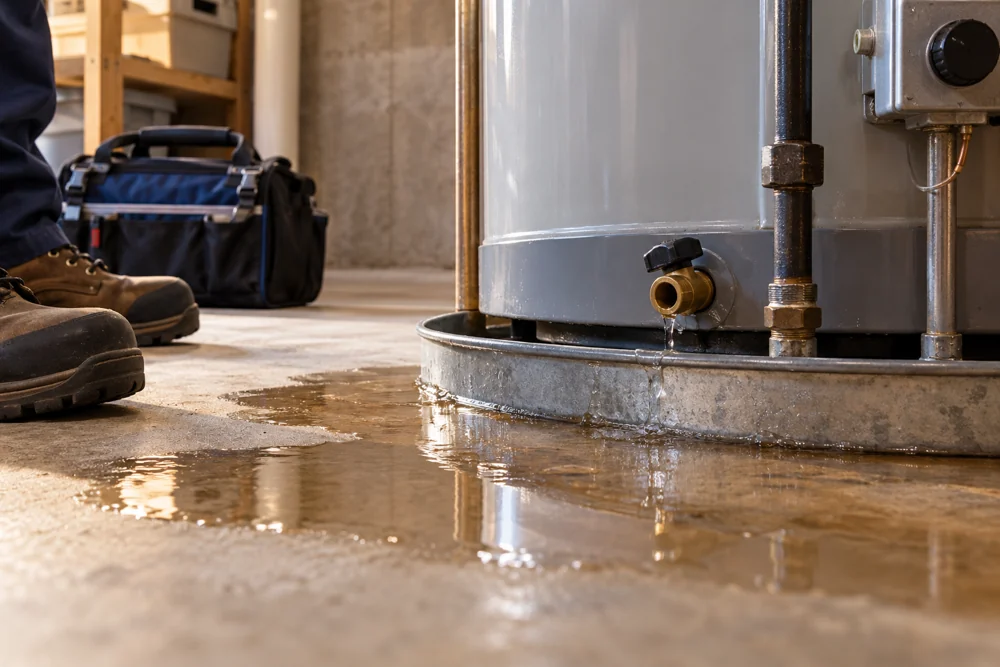
Describe the first wet point if already visible. A top connection, relief outlet, drain valve, condensation and tank leak need different assessments.
Keep away from the equipment and arrange qualified assessment. A carbon monoxide alarm or suspected gas leak requires the emergency response above.
Match the reported behavior to a diagnostic question rather than an assumed part.
| What You Notice | Assessment Focus | What Helps The First Call |
|---|---|---|
| Water Is Cold At Every Hot Tap | Ignition, controls, fuel supply and the model’s operating sequence. | When hot water stopped; any status message already visible. |
| Pilot Lights But Goes Out Again | Pilot assembly, flame-proving components and relevant safety or air-supply conditions. | Whether the outage keeps recurring and any earlier repair. |
| Blower Runs, But Water Stays Cold | The powered-vent model’s start sequence, vent conditions and control findings. | Model number, blower behavior and the full displayed code. |
| Some Hot Water, Then Cold | Demand, recovery, delivery conditions and the findings at the heater. | Which fixtures are affected and whether usage has changed. |
| Water Appears During Heating | Condensation, relief discharge and accessible water-side leak points. | Whether it follows a long hot-water draw or appears continuously. |
| A Leak Is Confirmed Through The Tank | Replacement suitability and the surrounding installation scope. | Heater age if known, access and the current leak severity. |
This table explains possible assessment routes. It cannot identify a failed component from a symptom alone. For an unclear puddle, see water heater leak detection.
No. Water can travel down the outside from a connection or come from a relief outlet, drain valve or condensation.
The visible puddle may be some distance from its starting point. Ask where the first wet point was found and whether the storage tank itself is leaking before deciding on replacement.
Cold tank surfaces can condense moisture from combustion gases, particularly during recovery after a substantial draw. That possibility needs distinguishing from a persistent water leak; it should not be used to dismiss recurring water.
Manufacturer background: A. O. Smith on condensation and puddles around the heater.
Ask the provider to connect the diagnostic finding, the selected repair and the symptom you reported.
Depending on the model, assessment may involve the pilot assembly, igniter, thermocouple, thermopile or electronic flame sensing. The correct component and test come from the heater’s service instructions. A recurring outage needs its cause explained.
A control fault needs model-specific diagnosis and a compatible replacement when required. Ask what finding supports the recommendation, whether the part is available and what is included in checking the heater after installation.
On applicable powered-vent units, a pressure-switch fault can reflect conditions in the vent or airflow system. Replacing or bypassing a safety device is not a substitute for establishing why its operating condition was not met.
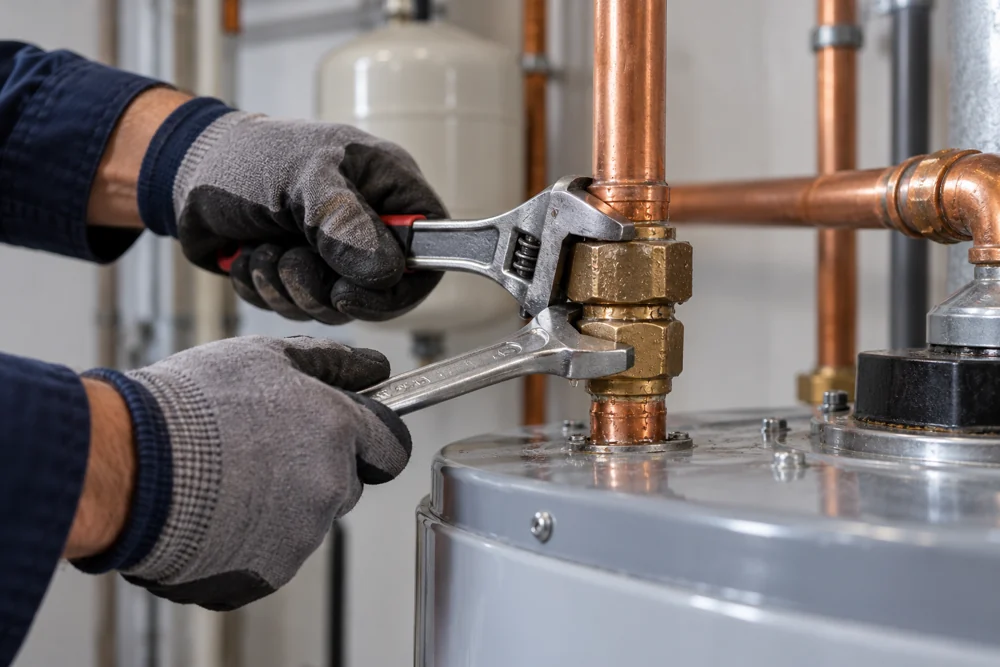
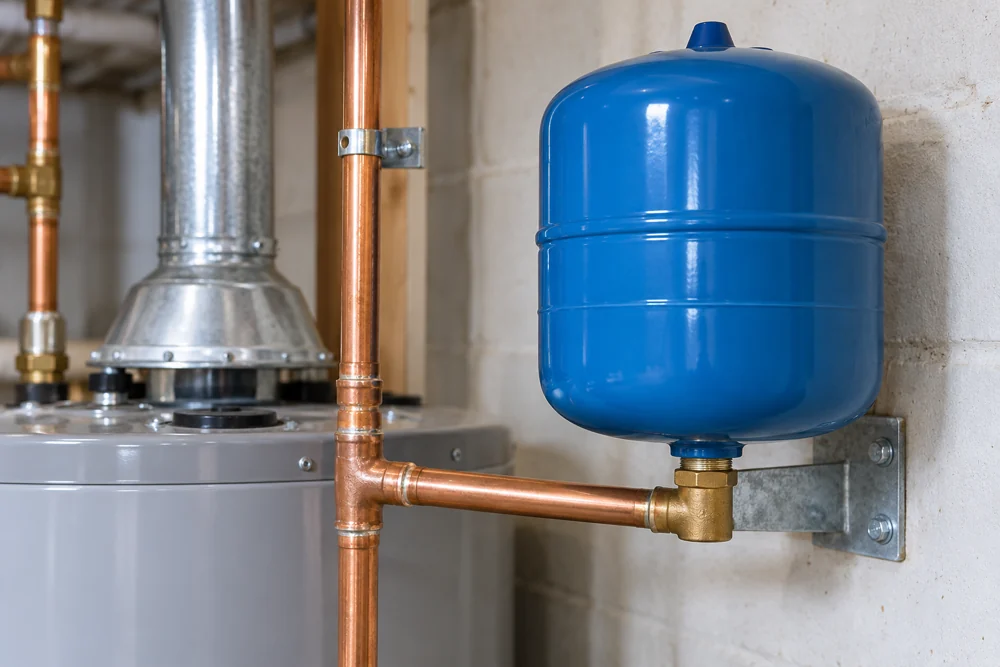
A connection repair, drain-valve replacement or expansion-control correction can leave a serviceable heater in place. Identify the leak source and any pressure-related condition before choosing the repair. Keep the relief outlet unobstructed.
Technical background: Bradford White’s model-specific gas service manual and A. O. Smith on air-pressure switches. These are references for qualified service, not instructions to open or repair a gas appliance.
A defined scope helps you understand what is included and what result is being checked.
Give your Kokomo address, fuel type, model if available and what changed. Report water spread, repeated shutdowns and previous repairs. Any suspected gas or carbon monoxide emergency takes priority over a service request.
Ask which component or installation condition was found faulty. Review the part, labor, visit fee and any separate water-side or vent work before authorizing the repair.
The qualified technician follows the actual model’s service instructions. If a further fault changes the proposal, ask for an explanation and revised approval rather than an unexplained addition to the bill.
Ask which operating, connection and safety checks were completed for the work performed. Keep the repair record, warranty terms and contact details for a returning symptom.
Keep the repair finding and the replacement proposal specific to your heater.
Compare the proposed repair, part availability and any remaining condition concerns. A repair should address the diagnosed fault and allow the heater to be returned to service appropriately.
Review Repair Scope →A leaking storage vessel generally needs replacement. Ask about sizing, fuel, vent compatibility, removal, the drain pan and any required installation changes.
Water Heater Replacement →A new part or a new heater should not stand in for identifying the cause. Ask what earlier work changed and what evidence now supports the next recommendation.
Trace An Unclear Leak →Age informs the discussion, but it does not identify the fault. Compare the condition, total proposed work, parts and warranty before deciding. Read the repair-or-replacement guide.
A failed gas tank, a hidden water connection and heating-cycle discharge each led to a different scope of work.
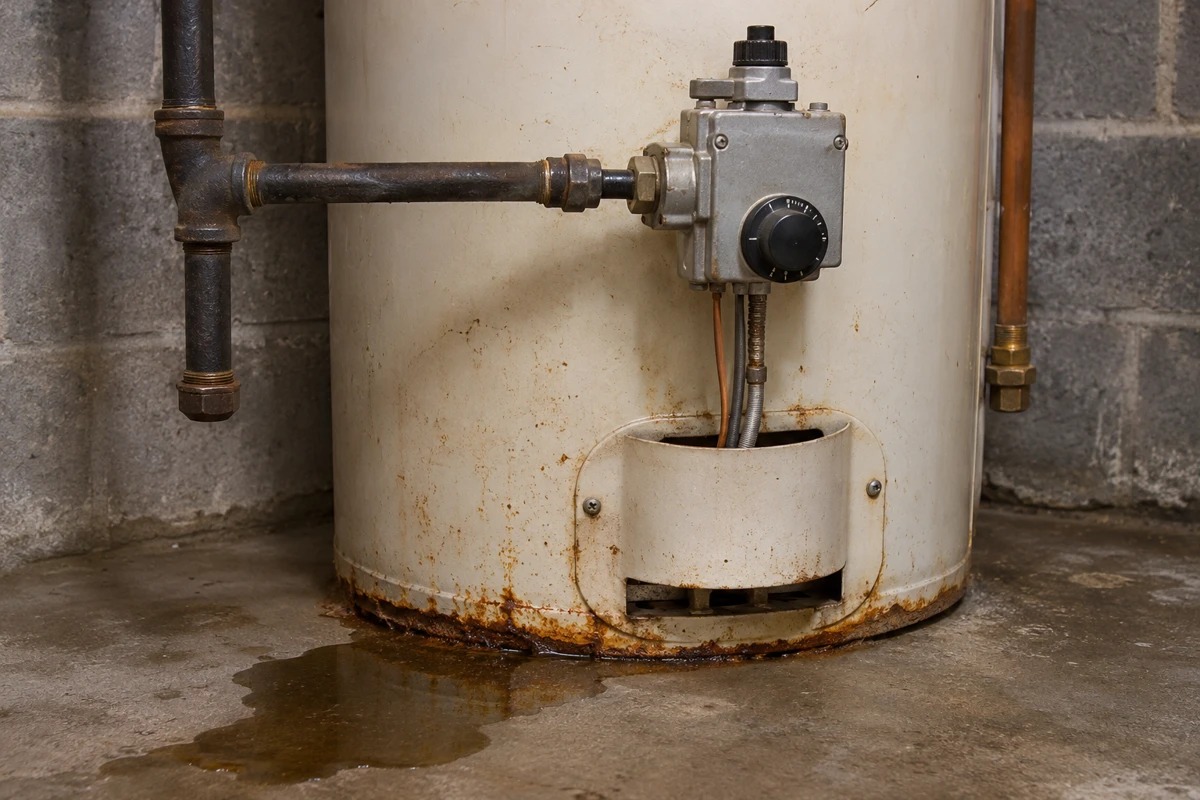
The 16-year-old gas heater was leaking from its base. The tank condition put it beyond a safe repair; changing an external fitting would not resolve that failure.
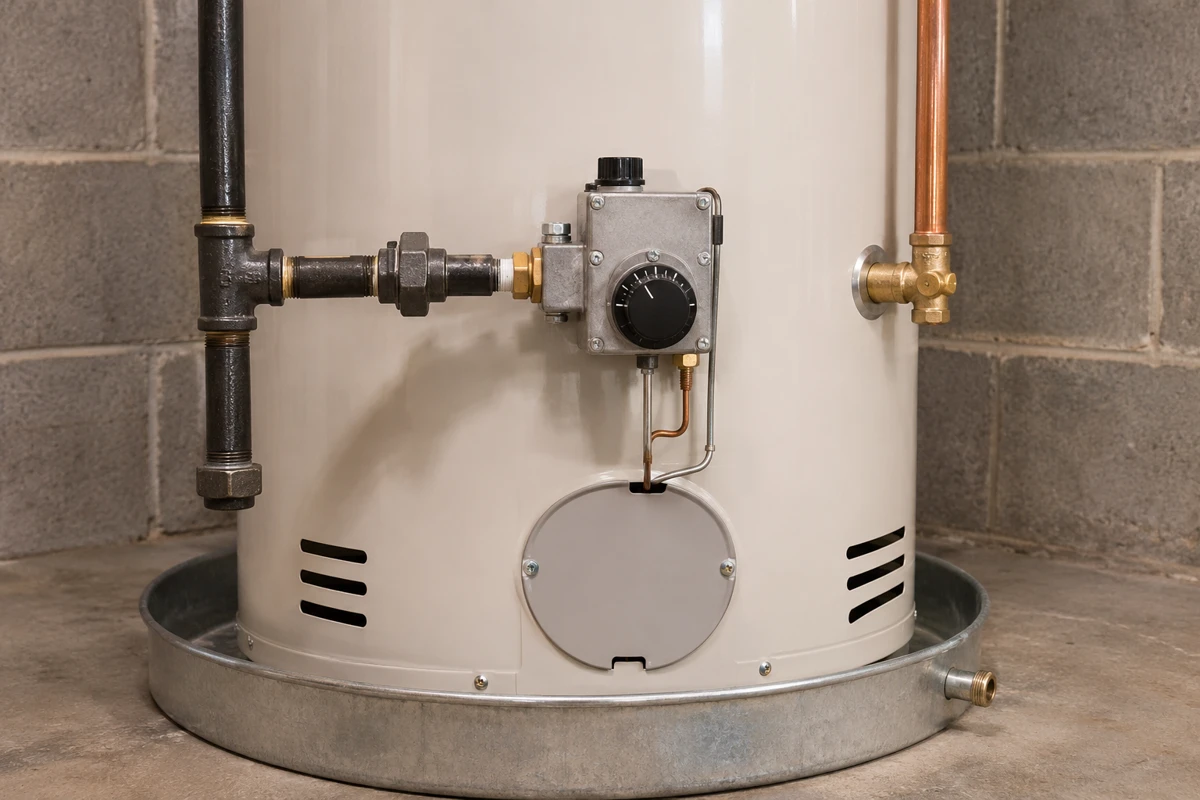
The old unit was removed and hauled away. A correctly sized replacement was installed the same day with a fresh drain pan and expansion tank. Hot water was restored that afternoon.
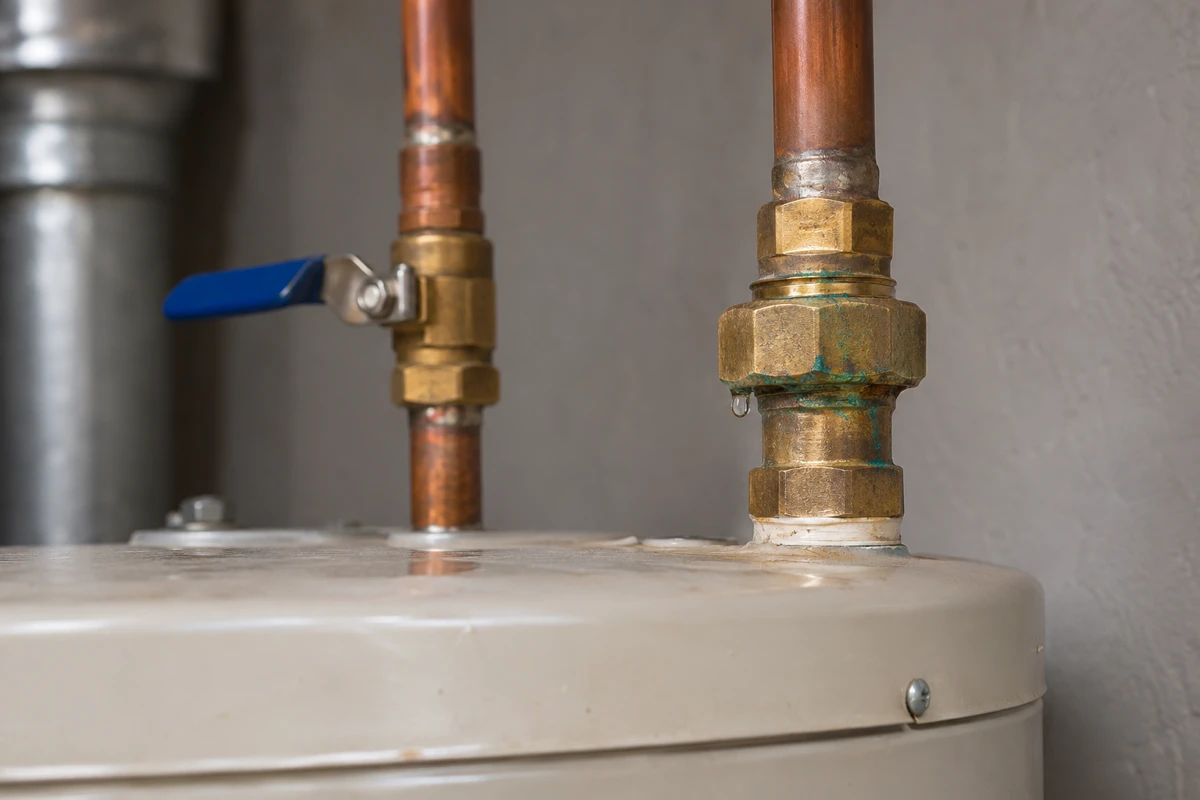
The floor had been mopped three times in a week, yet the visible tank surface looked dry. Testing traced the recurring water to a weeping fitting behind the heater.
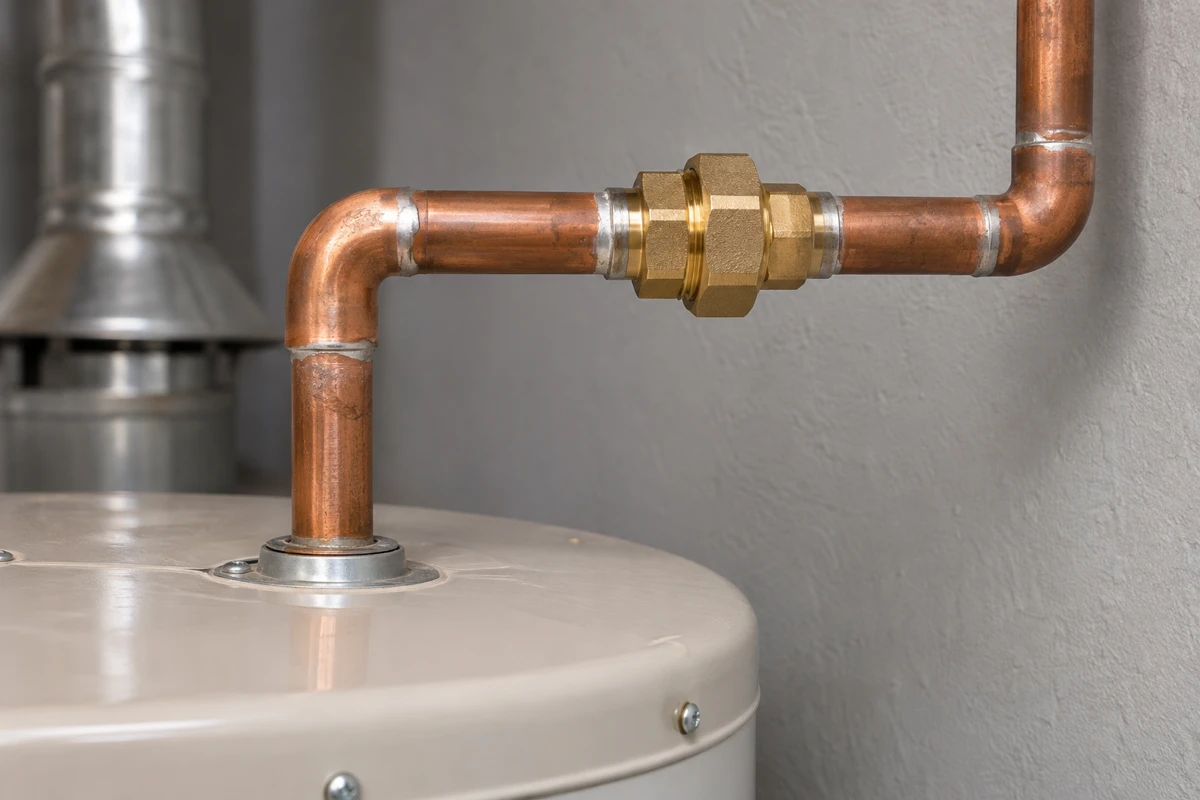
The leaking connection was repaired, the floor was dried and a leak sensor was added. The work addressed the source of the puddle rather than replacing the heater on appearance alone.
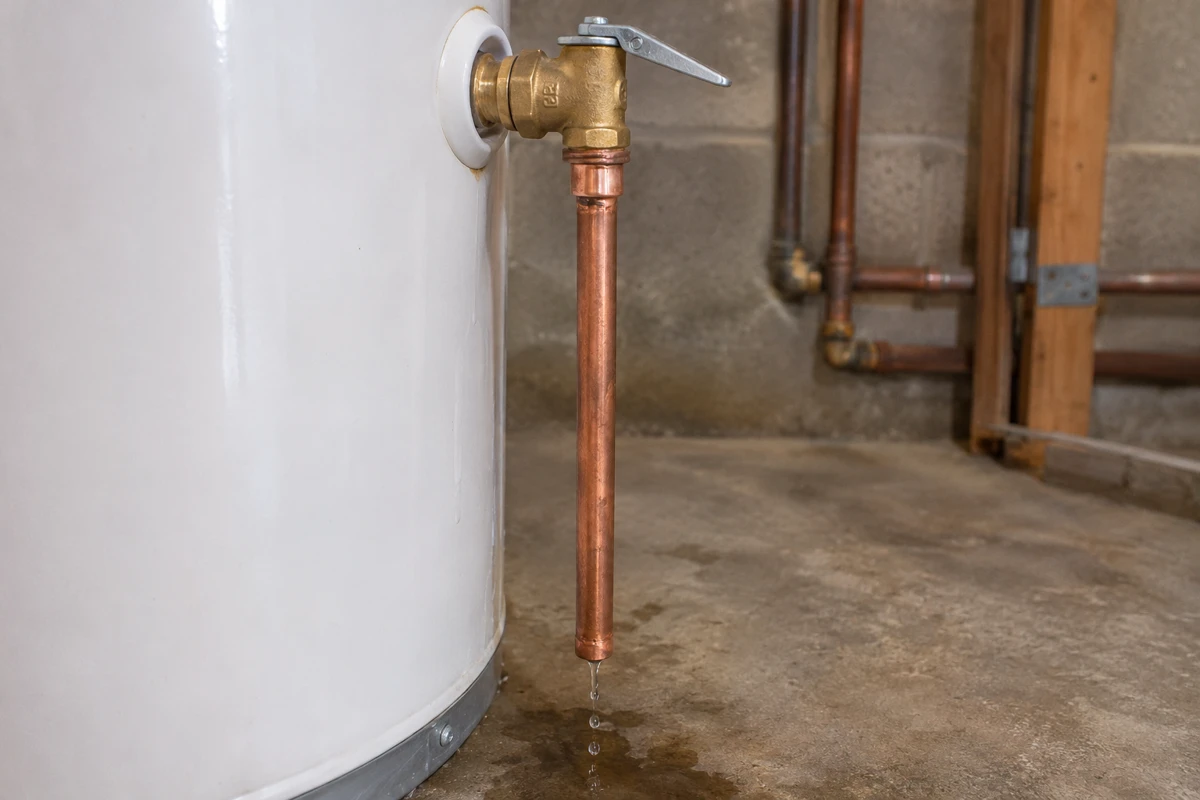
Recurring discharge during each heating cycle made the homeowner worry that a complete heater replacement was needed. The cause was diagnosed as thermal expansion.
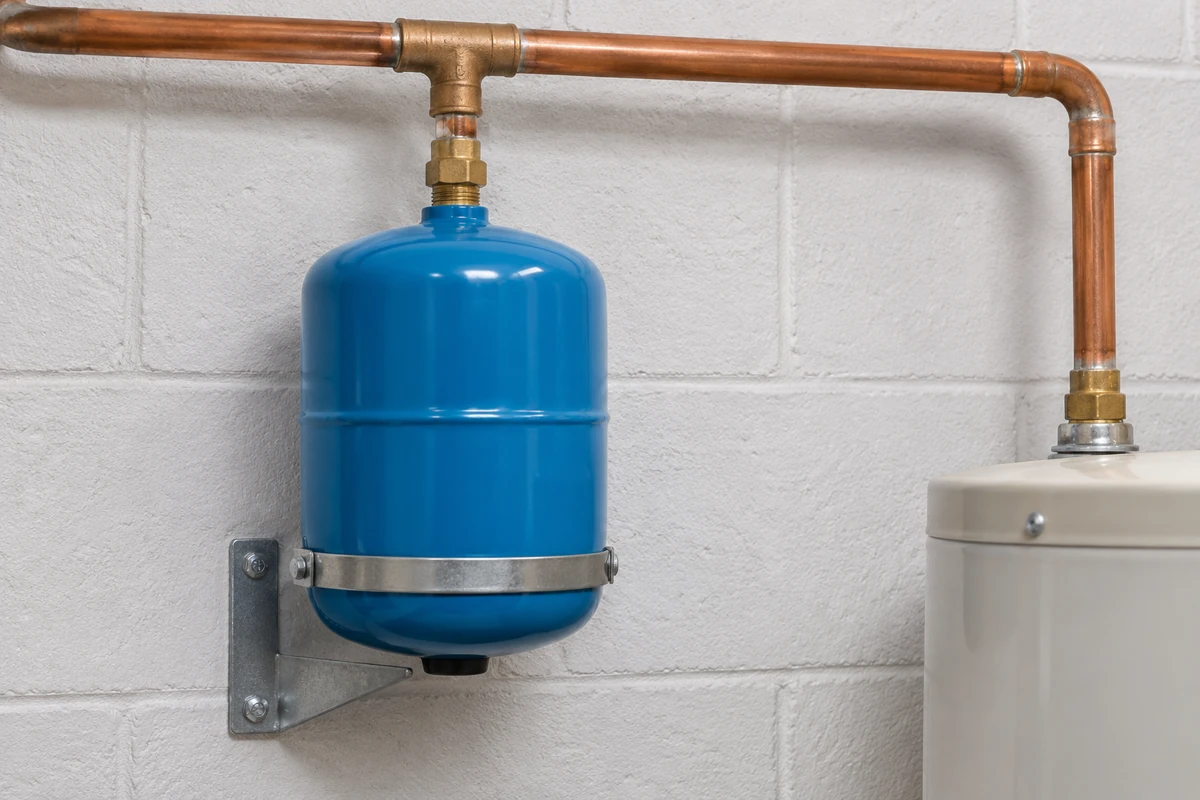
A properly sized expansion tank was installed. The drip stopped and the existing water heater was retained, avoiding an unnecessary replacement.
Water beside a gas heater? Explain where it appears and whether the heater is also losing hot water. Those are separate findings worth discussing together.
Discuss Your Heater’s SymptomsA repair needs the correct part and a suitable operating installation.
A conventional atmospheric heater and a model with powered venting have different operating and service requirements. A blower, control or electrical-supply issue needs assessment in the context of the actual equipment.
Give the provider the model rather than ordering a part from a similar-looking heater online. Ask whether the replacement is specified for your model and fuel. Do not ask for a safety switch to be bypassed to get hot water temporarily.
Mention recent changes around the heater: a utility-room enclosure, stored items, a vent repair or new exhaust equipment. The service provider can decide which installation conditions need investigating.
Share the equipment, symptoms and access details that affect the visit.
A useful first call helps the provider plan for the equipment and access at your property.
Coverage and scheduling are confirmed for the individual property.
The visit charge, diagnostic work, compatible part, labor and access all affect the estimate. A pilot repair, control replacement, vent correction and external water leak are different scopes. Ask whether further testing, a second visit or part ordering changes the quote.
Cold weather is worth mentioning when an outdoor vent terminal or an unheated equipment space is involved. Report known snow, ice or freeze exposure without climbing, dismantling or clearing equipment to investigate it. The provider decides which checks apply.
A clear record makes a future service call more useful than starting from the same symptom again.
Keep the invoice, part description and explanation of the original fault. Ask whether the heater completed the operating checks relevant to the repair and whether any further work remains.
Clarify the difference between a parts warranty, labor coverage and the heater’s existing manufacturer warranty. Ask who handles a repeat complaint and whether another visit would carry a charge.
If the original fault returns, report the timing and any status message already visible. Do not remove covers, repeatedly reset the control or change settings to reproduce the fault.
Answers about pilots, controls, water leaks, repair decisions and the first call.
Possible assessment areas include ignition, fuel supply, the control and model-specific safety conditions. Report whether every hot tap is affected and any visible status message. A qualified provider should identify the fault before recommending parts.
No. The relevant checks depend on the heater and may involve the pilot assembly, flame-proving components, controls or operating conditions. Do not assume one part from the symptom or keep attempting to relight a repeatedly failing heater.
Leave the building immediately without using switches, phones or the heater inside. From a safe location outside, call 911 and your gas utility’s emergency line. If NIPSCO supplies your gas, call 1-800-634-3524. Stay out until cleared.
Use the exact model and control instructions. Flash patterns are not universal, and a code can identify an operating condition that needs diagnosis rather than prove a particular part has failed. Report the full pattern and model if safely visible.
Sometimes, if diagnosis supports the repair and the heater is otherwise suitable to remain in service. The provider needs a compatible part and must complete the required checks. Ask about part availability, the complete price and remaining condition concerns.
No. Condensation, water fittings, a drain valve or relief discharge can also leave water nearby. The source needs tracing. A confirmed leak through the storage tank generally calls for replacement rather than an external connection repair.
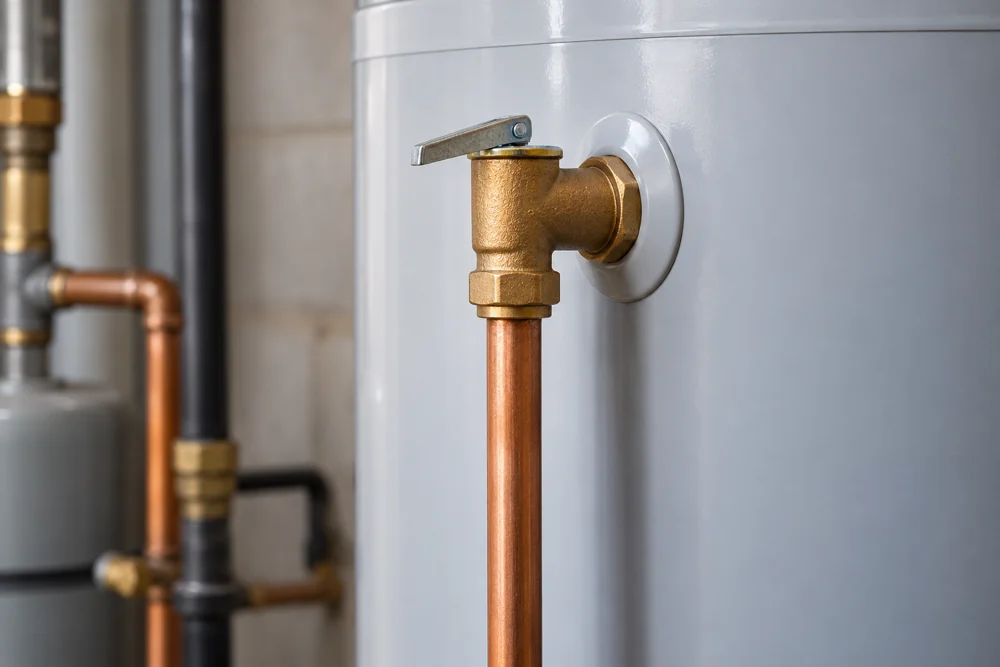
Thermal expansion is one possible cause, especially where heated water cannot expand back toward the supply. The relief valve and pressure conditions also need assessment. Never cap, plug or obstruct the discharge pipe to stop the water.
Discuss demand, recovery and whether the issue affects one fixture or the whole home. The provider can assess delivery conditions and heater performance. Raising the temperature does not establish the cause and can increase scald risk.
Some models use electricity for controls, ignition or a powered vent; others have a different operating arrangement. Identify the actual model before attributing a shutdown to a power outage. Do not bypass electrical or vent safety devices.
Give the attending provider the brand, model, fuel and vent type and confirm service capability before booking. Parts and procedures vary. Mentioning a manufacturer does not mean LeakRescue Pros or an attending provider is an authorized dealer.
Do not attempt to relight or reuse a flooded heater or submerged controls. Arrange qualified assessment under the manufacturer’s instructions. A suspected gas leak or carbon monoxide alarm requires leaving the building and calling for emergency help from outside.
The price depends on the assessment, part, labor, access and related work. Confirm the visit charge and request an itemized scope. Ask how part ordering, a return visit or additional findings would affect the total before approving the repair.
No appointment or completion time is guaranteed here. The attending provider confirms availability, model capability, parts and the required work. Explain the loss of hot water or active water leak when asking about the earliest suitable visit.
Provide your Kokomo address, fuel, heater model if safely readable, the main symptom and access details. Mention earlier repairs and any status message already visible. Do not open the heater or test gas fittings to gather information.
Technical References · Use the instructions for the actual installed model. These references explain assessment topics and do not replace qualified service.
NIPSCO: Suspected Gas LeaksA. O. Smith: Gas Heater Use And CareBradford White: Gas Service ManualA. O. Smith: CondensationA. O. Smith: Puddles And Leak SourcesA. O. Smith: Hot-Water DeliveryA. O. Smith: Air-Pressure SwitchesA. O. Smith: Thermal ExpansionCall with your address, equipment and what changed. Ask about diagnostic visits, model capability, repair scope, fees and availability.
Call (765) 227-1552LeakRescue Pros provides water-heater information and service requests. The attending provider confirms coverage, capability, scheduling, pricing and work terms.