Identify The Source
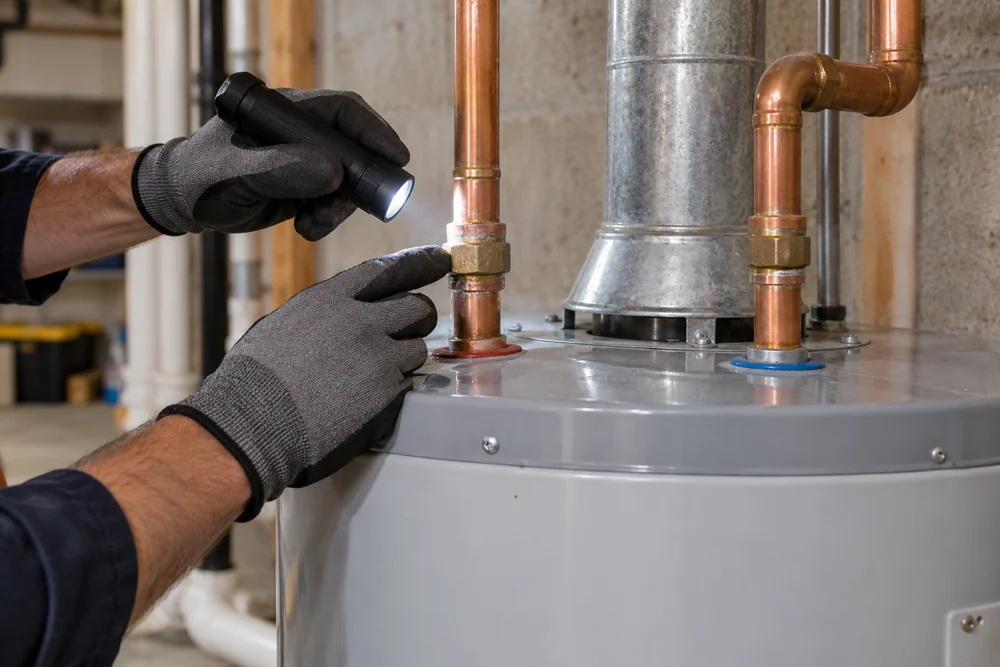
Ask what is leaking and what finding supports the proposed work. The explanation should distinguish a connection or component fault from a tank failure.
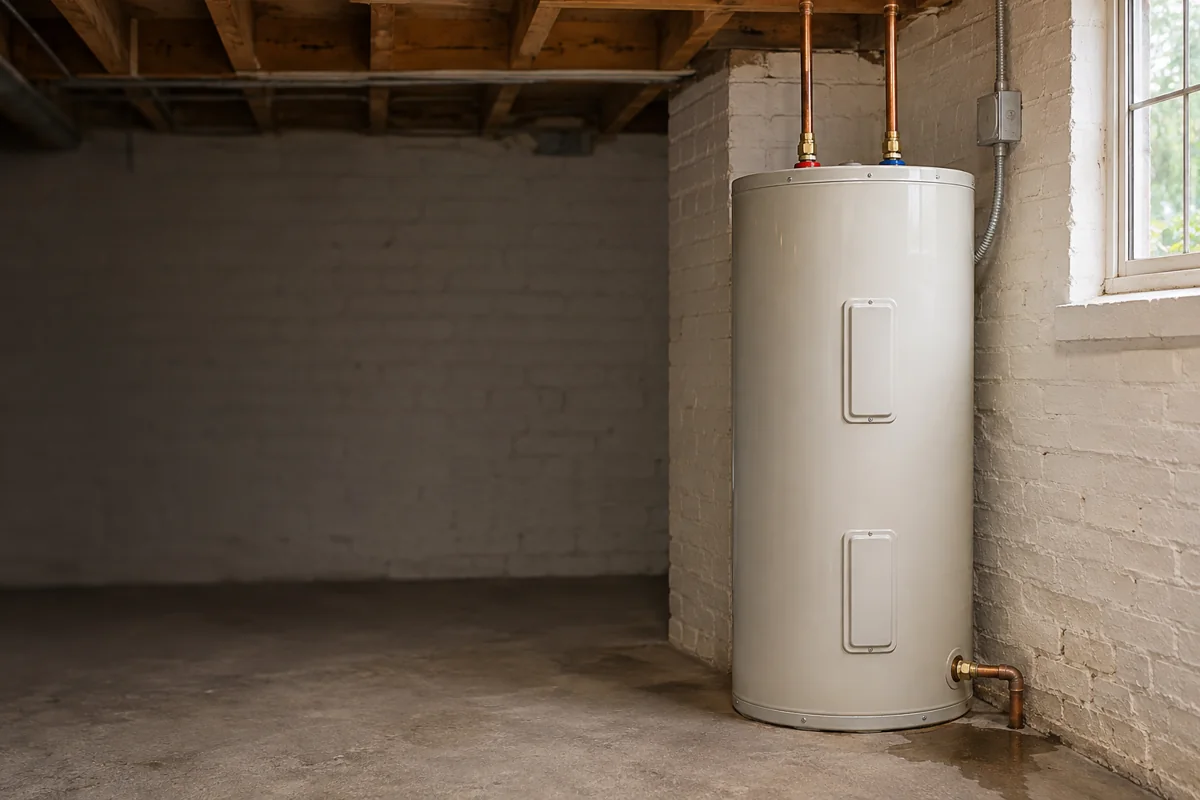
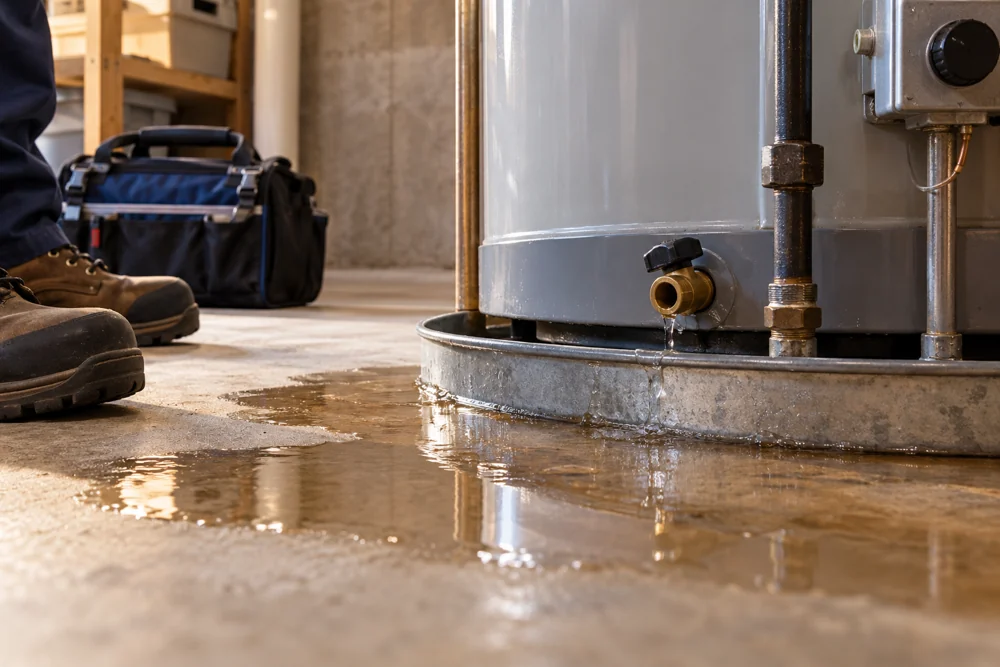
A wet basement floor needs a clear next step. Explain where the water appears, what heater you have and how to reach it. Request an assessment that separates a connection problem from a failed tank.
Request help with an active leak, a recurring drip or water around the heater. The useful starting point is the source: a pipe connection, valve and tank-body leak can call for different work. Give your exact address and equipment details; the attending provider confirms coverage, capability, fees and availability.
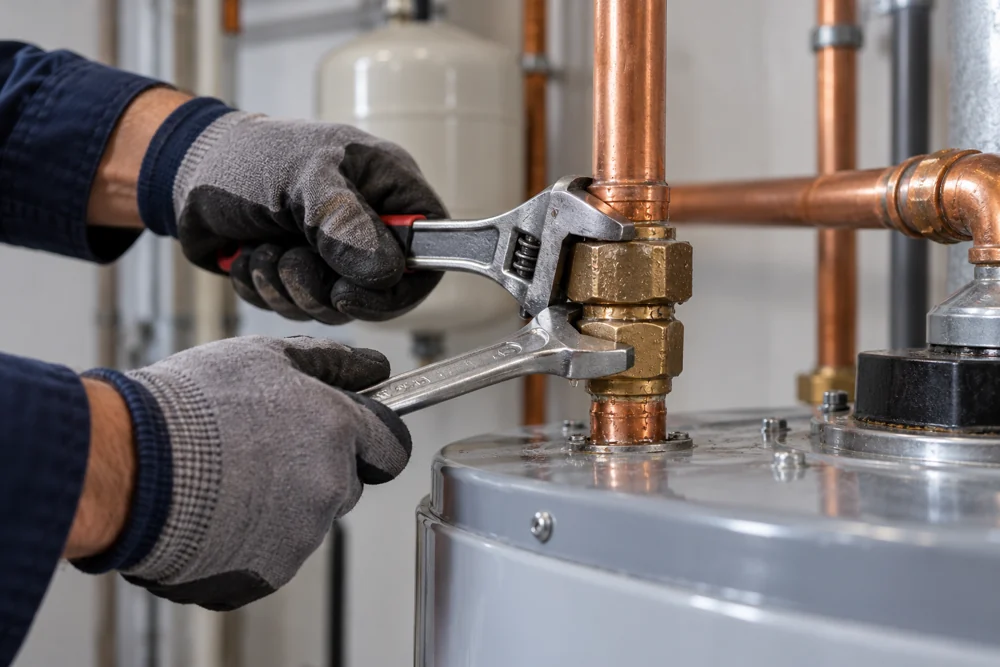
A small puddle does not tell you which part failed. Describe what you can observe safely; avoid tightening connections, opening a hot valve or removing panels to investigate.
Connect the neighborhood context with practical information about the property.
Old Silk Stocking’s historic houses are part of the neighborhood’s character. The heater and plumbing inside an individual home still need their own assessment.
The National Register documentation identifies the Old Silk Stocking Historic District in Kokomo, Howard County, with ZIP code 46901. Its registration form describes approximate boundaries at West Jackson Street, Washington Street, Wildcat Creek and Phillips Street.
West Sycamore Street and the Seiberling Mansion are useful local reference points. The Howard County Historical Society places its museum at 1200 West Sycamore Street in the Old Silk Stocking neighborhood.
Local references: National Register district record and Howard County Historical Society location information.
Use the location and pattern of the water to make the first conversation more useful.
| Where You See Water | What To Report | Relevant Service |
|---|---|---|
| At The Top Or A Supply Connection | Say which connection looks wet and when you noticed it. | Pipe Leak Repair → |
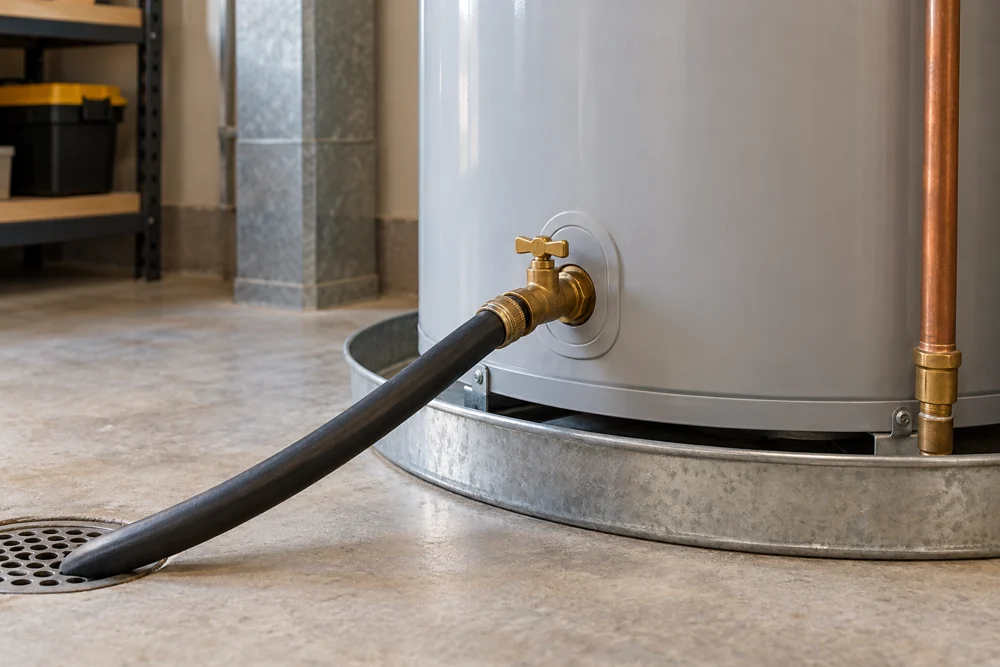
| At The Drain Valve | Report water around the low drain outlet without operating it. | Drain Valve Service → |
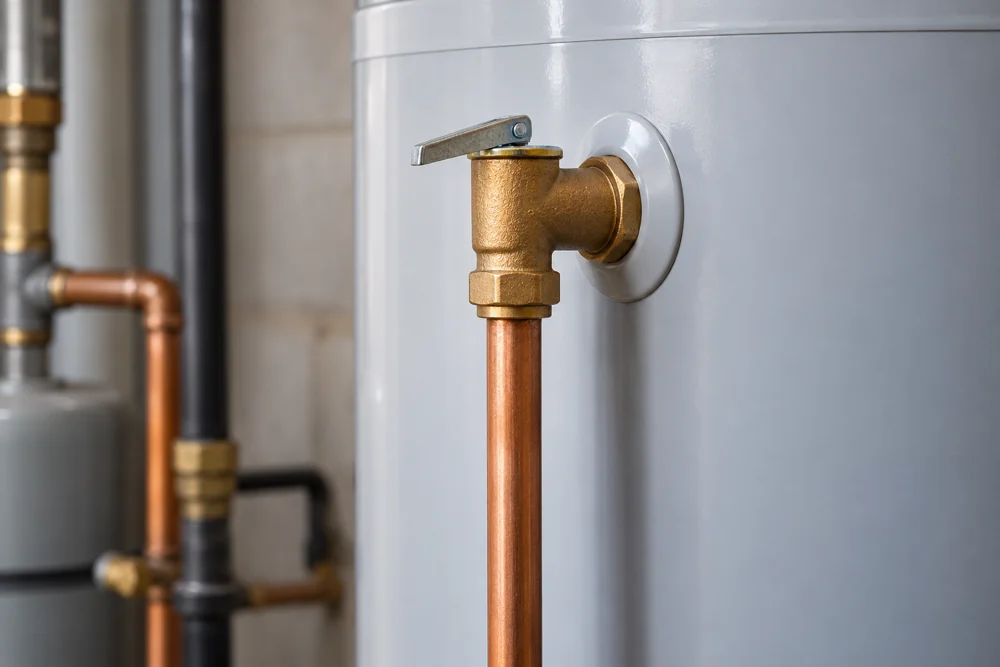
| From The Relief Discharge Pipe | Describe intermittent dripping or continuous discharge. Do not cap the outlet. | Relief Valve Assessment → |
| Around The Bottom Of The Heater | Say whether water is spreading or returning. The source still needs confirmation. | Leak Detection → |
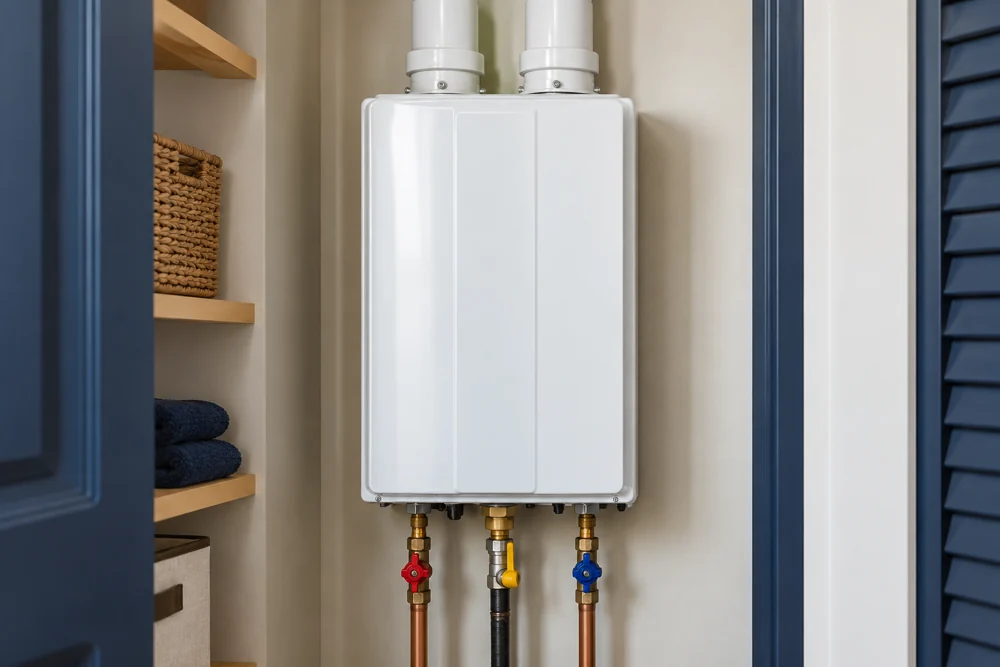
| Under A Tankless Unit | Give the model if safely readable, any visible error and the wet connection area. | Tankless Repair → |
| Spreading Across The Floor | Explain active water spread and any blocked or unsafe access. | Emergency Leak Requests → |
This table helps describe the request; it does not diagnose the heater. Water can travel from its source before collecting. See A. O. Smith’s leak-source guidance.
A useful request leads to an understandable finding and a repair or replacement proposal.
Ask what is leaking and what finding supports the proposed work. The explanation should distinguish a connection or component fault from a tank failure.
Know what the estimate covers: diagnosis, labor, parts and any related work. Clarify how an additional finding will be priced and approved.
Share the entrance, heater location and working-space limits. Agree on any access work and handling of finished surfaces before approval.
Ask what checks were completed, what warranty or labor terms apply and who handles a returning issue. Keep the attending company’s details.
Already been told the heater needs replacing? Ask what confirmed tank failure and whether the quoted work includes removal, connections and startup.
Discuss The AssessmentThe route to the heater can affect the job as much as the space beside it.
Only move belongings where you can do so safely. Do not enter a wet electrical area to clear a path.
The attending provider confirms scheduling, capability, price and work terms for the property.
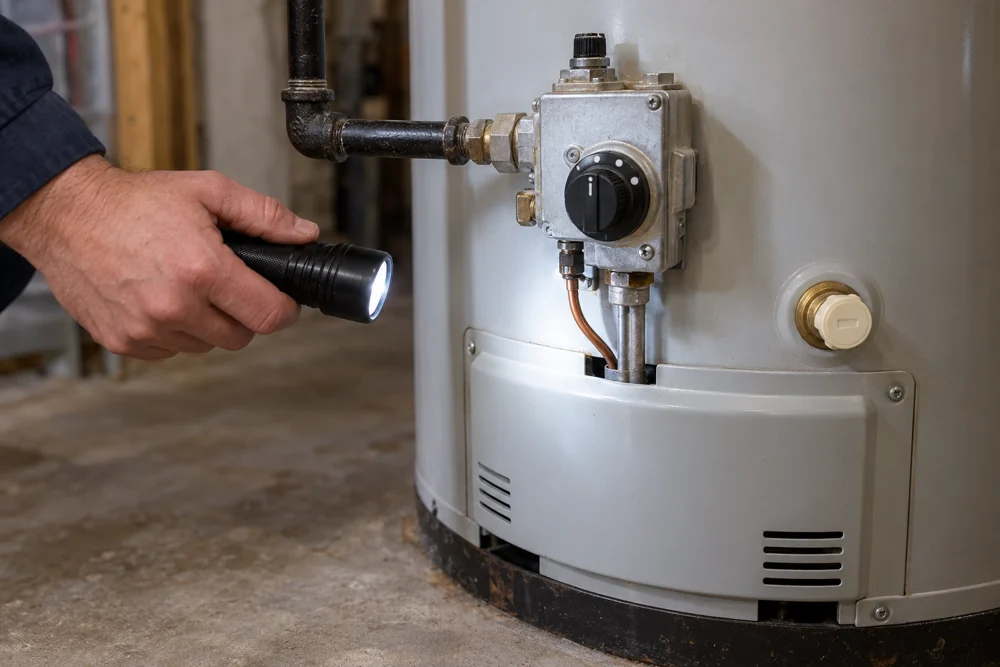
Give the exact property and unit, where the water appears, whether it is spreading and whether hot water is still available.
Ask which company will attend, whether it handles your heater type, the assessment charge and the available appointment window.
Discuss the source, proposed repair or replacement, total scope, price and any access work or exclusions.
Ask which checks were completed and what to watch for. Keep the work record and the attending company’s return-service contact.
Ask for the reason behind the recommendation before comparing prices.
A valve or connection repair can be a different job from replacing the complete heater. Ask for the finding and the component work proposed.
A failed storage vessel generally calls for new equipment. Compare sizing, removal, installation changes and the handover as one proposal.
Water Heater Replacement →Tankless or heat-pump equipment may change supply, space, venting or drainage requirements. A new model price alone is not the installed cost.
Water Heater Installation →The age of the house does not decide the outcome. The equipment’s condition, actual fault and installation requirements do. Reference: A. O. Smith on repair and replacement.
Use these questions to compare recommendations without guessing at a diagnosis.
Ask the provider to identify the failed part or connection. A puddle at the base alone is not a complete diagnosis.
Clarify parts, labor, related corrections, access and cleanup. Ask what changes if another problem is found.
Ask which leak and operating checks are appropriate to the repair, what remains outstanding and who handles a recurring problem.
An observation about the building can help the assessment without proving the cause of the leak.
Tell the provider if the heater or nearby piping is in a space exposed to freezing conditions. Mention a leak first noticed after cold weather, without assuming freezing is the cause.
If moisture appears after rain as well as during heater use, describe both patterns. A wet basement wall, floor and heater can require separate findings rather than one assumed source.
For a heat-pump proposal, discuss the room’s operating conditions, air space, service access and condensate arrangement. The selected model must suit its location.
Do not restart equipment or controls that have been under water. Ask a qualified professional or utility representative to assess the affected installation before use.
Mention the property’s known conditions; proximity to Wildcat Creek does not establish a particular home’s flood risk. References: ENERGY STAR installation-location guidance and CPSC guidance on flood-affected appliances and gas hazards.
The attending provider prices the actual equipment, finding and approved scope.
Accurate location and access information help the provider assess the request.
Have these details ready when requesting help in Old Silk Stocking.
West Sycamore Street and Seiberling Mansion can help orient the conversation. The street number, unit and entrance instructions are still needed to arrange a visit.
For work involving a new vent route or other building changes, confirm current requirements and responsibility with the attending provider and relevant authority. Kokomo’s published department responsibilities include building and electrical permit administration.
Kokomo: Department Responsibilities ↗Neighborhood information supports the request; availability is confirmed for each property.
Looking for a different neighborhood? Choose the relevant area and give the attending provider your exact address to confirm coverage and scheduling.
Answers about leak requests, equipment, access, quotes and follow-up.
Yes. Give the exact Kokomo address, heater type and symptoms. The attending provider confirms coverage, capability, assessment charges and available appointment times for the property.
No. The source should be established before deciding on the work. A connection or valve leak and a failed tank can lead to different recommendations.
Keep clear of wet electrical equipment and explain the active water spread when requesting urgent assessment. Do not enter standing water to operate a control. A gas odor or carbon monoxide alarm requires leaving and calling emergency services from outside.
Requests can be made for these equipment types. Give the fuel and model if safely readable; the attending company confirms whether it handles the specific equipment and problem.
No. Neighborhood history does not establish the condition or material of the plumbing in an individual home. Ask what specific finding supports a proposed repair or wider replacement.
Mention basement stairs, low overhead piping, narrow doors, a side entrance and any working-space restriction. Describe finished surfaces and agree on access work or restoration if concealed piping must be reached.
Not necessarily. The valve and the conditions causing discharge need assessment. Do not cap or plug the relief outlet. Describe whether discharge is intermittent or continuous when requesting service.
Flushing is maintenance, not a repair for a failed storage vessel. Ask for the leak finding and whether the heater is suitable to retain before approving maintenance instead of needed repair or replacement.
You can report the symptoms and ask about the request process. Coordinate with the landlord or property manager and identify who can authorize assessment, access and paid work.
The estimate depends on the finding, equipment, parts, labor, access and any related work. Confirm the assessment charge and request a defined price before approving repairs. Additional work should have its own explanation and approval.
No fixed arrival or completion time is guaranteed here. The attending provider confirms scheduling, equipment capability and parts availability. Mention active water spread or a total loss of hot water when making the request.
A landmark can help explain the area, but give the exact street address, unit and entrance information. The provider needs the actual property to confirm coverage and arrange access.
Keep the attending company’s details, invoice, finding, work scope and warranty or labor terms. Ask which completion checks were performed and who to contact if a leak or operating problem returns.
Give the street number, unit and entrance instructions, then describe the heater and the water you can see safely. West Sycamore Street or Seiberling Mansion can help orient the conversation; the provider confirms coverage and availability using the actual property address.
Local And Technical References · District and landmark records provide location context. Equipment work follows the selected model’s instructions and applicable project requirements.
National Register: Old Silk Stocking DistrictHistorical Society: Seiberling Mansion LocationA. O. Smith: Water Heater Leak SourcesA. O. Smith: Repair And ReplacementA. O. Smith: Relief-Valve DischargeWhirlpool: Relief Outlet SafetyENERGY STAR: Installation LocationKokomo: Department ResponsibilitiesCall with your address, equipment details and the location of the water. Ask about assessment, provider availability, fees and the next step for your property.
Call (765) 227-1552LeakRescue Pros provides water-heater information and service requests. The attending provider confirms coverage, capability, scheduling, pricing and work terms.