A Cause, Not Just A Part Name
Ask what makes the valve discharge or the connection leak. The estimate should explain the correction and any related system work.
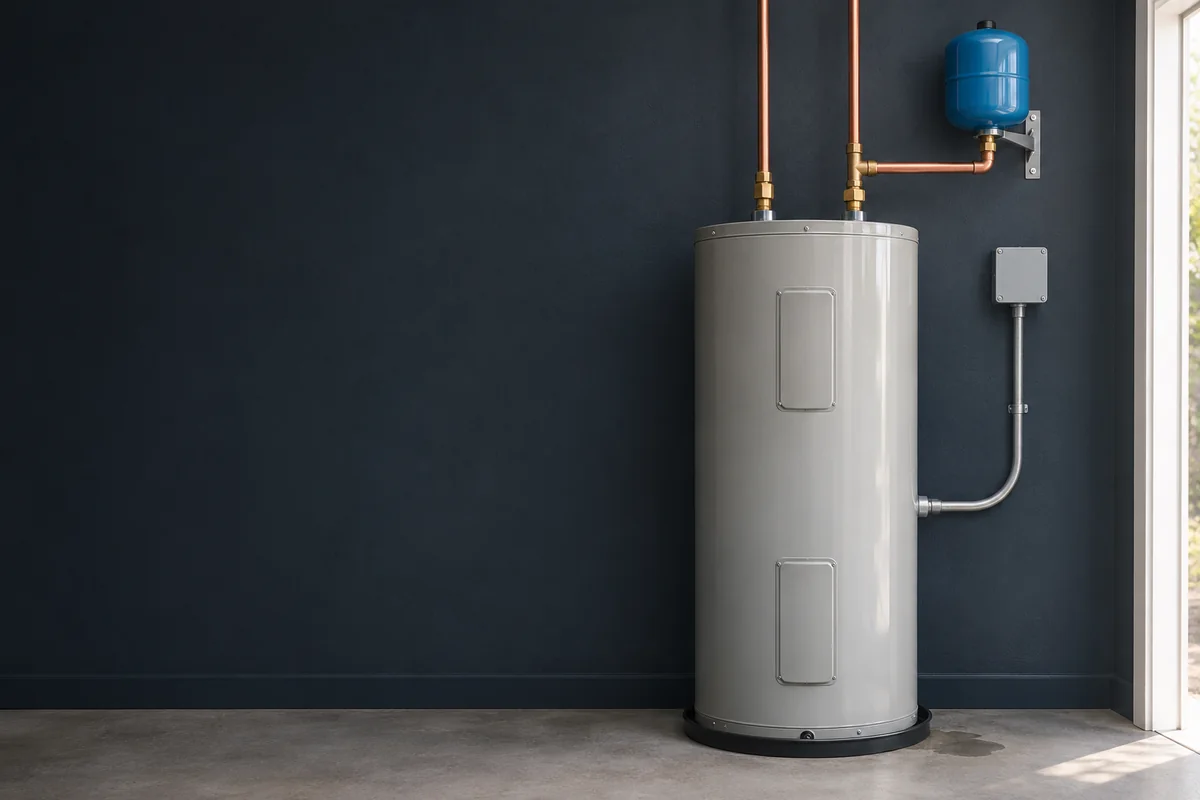
A drip that stops before anyone arrives can still need attention. Describe where it appears, when it returns and any earlier work. Ask for an assessment that explains the source and the conditions behind it before another part is replaced.
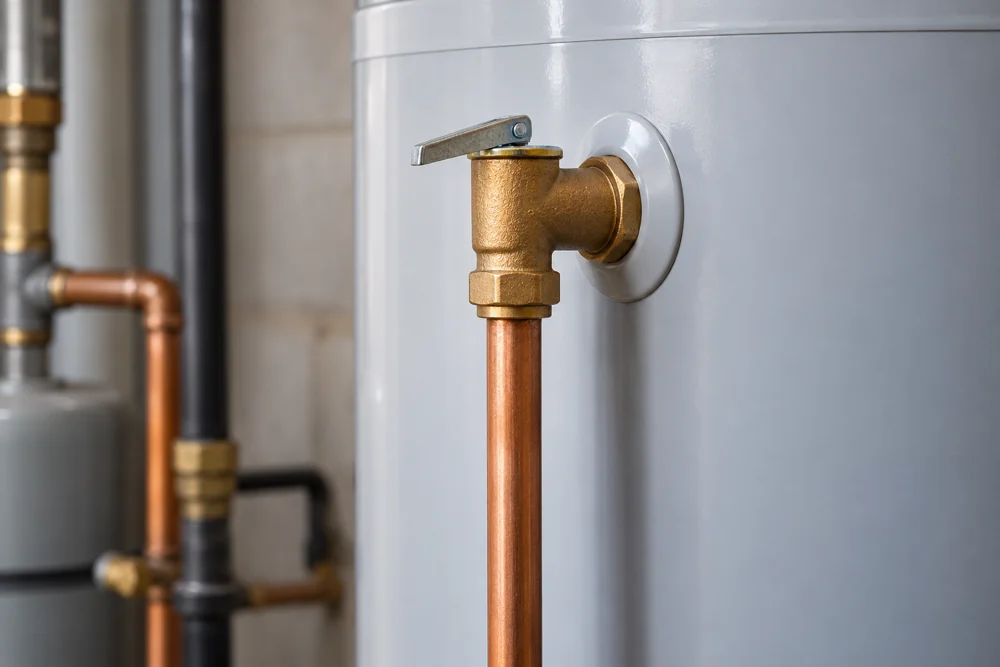
Not necessarily. The valve can release water because of system pressure or temperature conditions, as well as a fault at the valve or its connection. Ask which condition was found and how the proposed work addresses it. Replacing the valve alone may leave the cause of discharge unresolved.
References: Watts on relief-valve function and discharge and CPSC gas and carbon monoxide safety guidance.
Use familiar references alongside the exact address and equipment information.
Gentilly Court and West Boulevard give useful local context. Your own address and entrance instructions identify the service property.
The city’s Parks and Recreation rental-facilities brochure lists the Country Club Hills Building at 1800 Gentilly Court, Kokomo, IN 46902. Boulevard Elementary publishes its address as 1901 W. Boulevard, also in 46902.
These are local landmarks, not LeakRescue Pros locations. Give your street number, unit and ZIP when asking the attending company to confirm coverage.
Explain whether the heater is reached through the garage, a side entrance or stairs inside the home. Mention any water along the route and who can authorize diagnosis and repair. A neighborhood name cannot establish the equipment, pressure conditions or access at an individual home.
Local references: city facility-address brochure, Boulevard Elementary and KHCGCC neighborhood mapping.
Separate the location and timing from a guessed cause.
| What You Notice | Useful Detail To Report | Relevant Information |
|---|---|---|
| A Drip During Reheating | Where it exits and whether it has been observed after hot-water use. | Relief Valve Assessment → |
| Water Around A Valve Connection | Whether the fitting or the open discharge outlet is wet. | Leak Detection → |
| A Wet Pipe Joint All Day | The visible connection and whether water tracks down from above. | Pipe Leak Repair → |
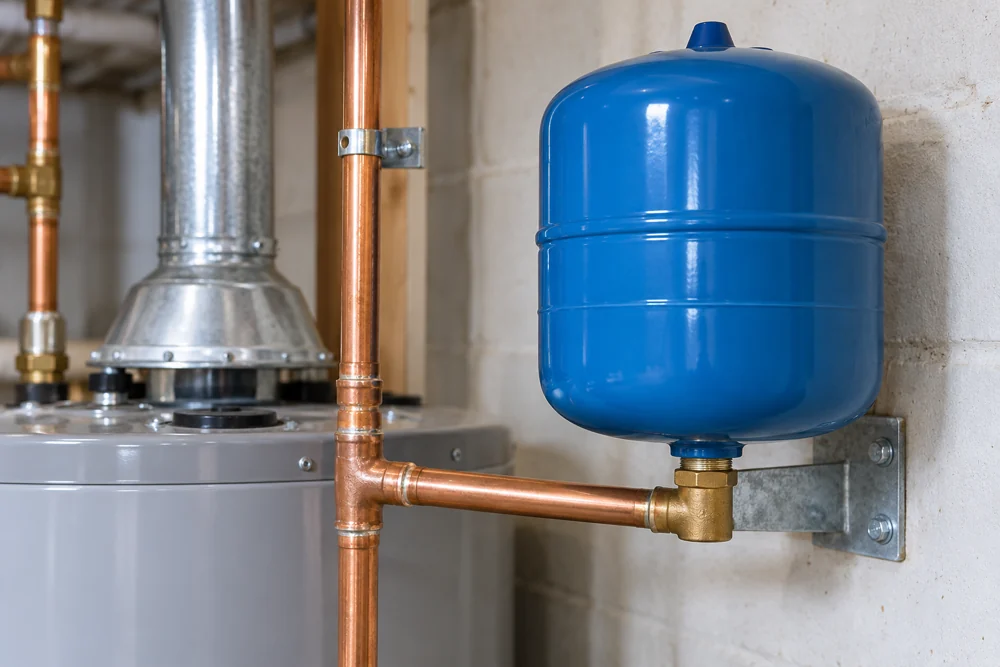
| A Drip Near A Small Expansion Tank | The visible location and any recent work; do not handle or test the vessel. | Expansion Tank Assessment → |
| Water Below A Tankless Unit | Visible error, drip pattern and any interruption to delivery. | Tankless Repair → |
| Water Is Spreading Quickly | Current spread, nearby electrical equipment and any unsafe approach. | Emergency Leak Requests → |
Timing helps describe a complaint. It does not diagnose pressure, thermal expansion or a failed valve remotely. Use observations already made safely; do not run the heater to reproduce the drip.
Useful service information helps you evaluate the finding, work and follow-up.
Ask what makes the valve discharge or the connection leak. The estimate should explain the correction and any related system work.
Share the earlier repair date, part replaced and whether the same symptom returned. The next assessment should account for that history.
Know which assessment, parts, labor and checks are included. Agree on a revised estimate before additional findings expand the work.
Keep the finding and attending company contact. Ask which conditions were checked and whether any follow-up remains after the visit.
Has a new valve started dripping again? Explain the earlier work and when discharge returned. Ask whether the cause was assessed as well as the part.
Discuss A Returning DripThe same visible drip can need different work on different installations.
Share existing installation paperwork and safely available model details. Do not remove covers, operate valves or test the expansion vessel to prepare for the visit.
The attending provider confirms coverage, capability, scheduling, prices and work terms.
Give the address, equipment type, visible water and when it appears. Mention active spread or changed hot-water delivery.
Ask which company will attend, whether it handles the equipment, the assessment fee and the available appointment window.
Discuss the leak source, any pressure-related findings and the proposed parts or system work. Confirm the total and exclusions before approval.
Ask which appropriate checks were completed and what remains. Keep the work record, applicable terms and attending company’s details.
Ask about the condition producing water as well as the component being replaced.
A closed water system needs provision for thermal expansion. Ask whether the installation and measured conditions explain the discharge. Do not assume every intermittent drip has this cause.
Expansion Tank Service →Water released through the outlet is a different observation from seepage around the valve’s threaded connection. Ask which location and condition were found.
Relief Valve Service →Share what was changed and whether the same discharge returned. A new part does not by itself establish that the cause of the original complaint was corrected.
Leak Detection →References: A. O. Smith on thermal expansion, relief-valve leak locations and Watts on expansion control. Testing and adjustments belong with the qualified provider.
A valve discharge, leaking connection and failed tank lead to different scopes.
Ask whether a targeted repair addresses the confirmed fault and whether the heater is suitable to retain. Clarify any related pressure-control work in the estimate.
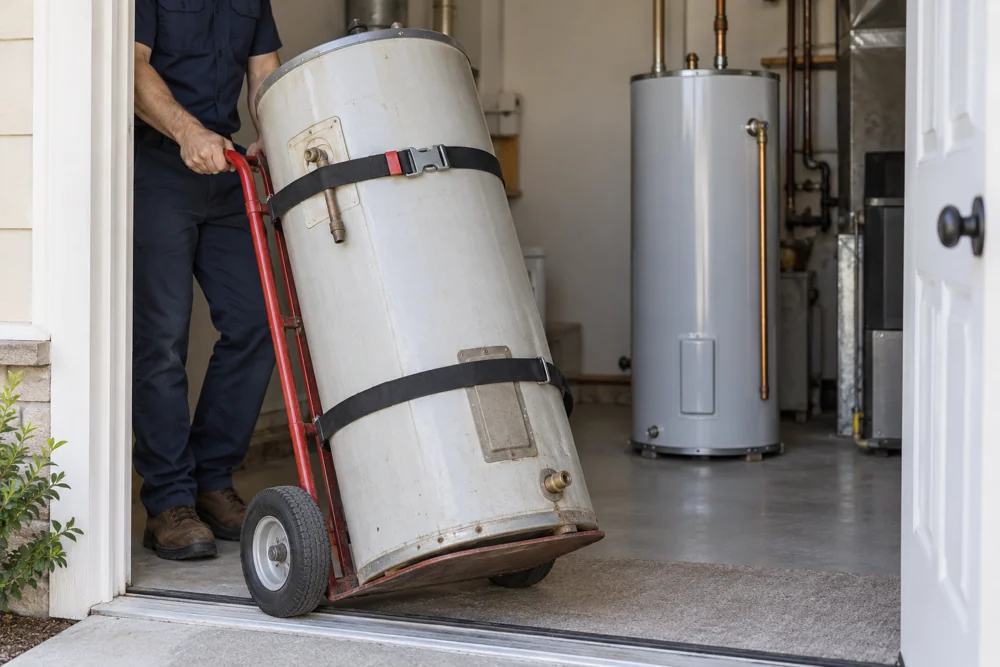
A failed leaking tank calls for replacement. Compare the new equipment, removal, disposal, connection changes and startup scope.
Water Heater Replacement →Flushing is maintenance and does not repair a failed storage vessel. Ask whether the equipment is suitable and how the active leak is being addressed separately.
Water Heater Flushing →A wet floor alone is not a finding of tank failure. Ask for the identified source and reason for the recommendation. Reference: A. O. Smith on water around the heater.
The provider needs the installation and complaint, rather than assumptions about Country Club Hills homes.
Give the date and scope of any heater, valve or water-supply work. Existing paperwork helps explain what changed before the symptom appeared.
Report any observed exposure to freezing conditions. The timing helps describe the complaint but does not establish the leak source.
Mention widespread surface moisture as well as a distinct wet joint. Condensation and active leakage may need distinguishing.
Keep clear and explain where water has reached. Do not enter standing water to reach a control or open service panels.
Report conditions at the actual home. No neighborhood-wide pressure, hardness, pipe material or flood condition is assumed here. Manufacturer context: condensation and cold surfaces.
Compare the complete scope, total price and explanation of any related work.
Explain the property, observed pattern and repair history without disturbing the installation.
Prepare the observations that make the first conversation useful.
Identify who can approve assessment, repairs and a revised estimate. If another person provides access, share the approval contact and any entry arrangement before the visit.
For replacement or changes to the installation, ask which project requirements apply and who handles any necessary approvals and inspections.
Kokomo: Department Responsibilities ↗Find the relevant location information alongside detailed service guidance.
Choose another neighborhood for its local request information. The attending company confirms coverage and scheduling for the actual address.
Practical answers about intermittent discharge, source identification and arranging service.
Yes. Give the exact property address, equipment type and visible complaint. The attending company confirms coverage, capability, assessment charges and the available appointment window.
No. Discharge can involve pressure or temperature conditions as well as the valve. Ask what was found and how the proposed correction addresses the cause.
Some complaints are intermittent. Explain the timing already observed and whether it follows hot-water use or heating. Do not operate the equipment to make the problem return.
Share the date, part and work record, and explain when discharge returned. Ask whether the conditions causing discharge were assessed as well as the valve itself.
No. A potable-water expansion tank accommodates heated water expansion; a pressure-reducing valve regulates incoming pressure. The provider should establish which conditions and equipment are involved.
No. Equipment selection and setup depend on the actual installation and manufacturer requirements. Ask the provider how the proposed vessel and work fit the assessed system.
No. Never cap or block the outlet or discharge path. It is part of a safety device. Keep clear of discharge and request assessment of the cause.
Report that location separately from water coming through the discharge outlet. The provider needs to establish the actual leak point before selecting the correction.
Requests can be made for these heater types. Give the actual fuel, type and safely available model details so the attending company can confirm capability.
No. Water can travel from another source. Ask for source identification; a confirmed leaking storage vessel calls for replacement, while another finding has its own scope.
Those references can orient the conversation. Give your own street number, unit, ZIP and entrance instructions to establish the actual service address. The landmarks are not LeakRescue Pros locations.
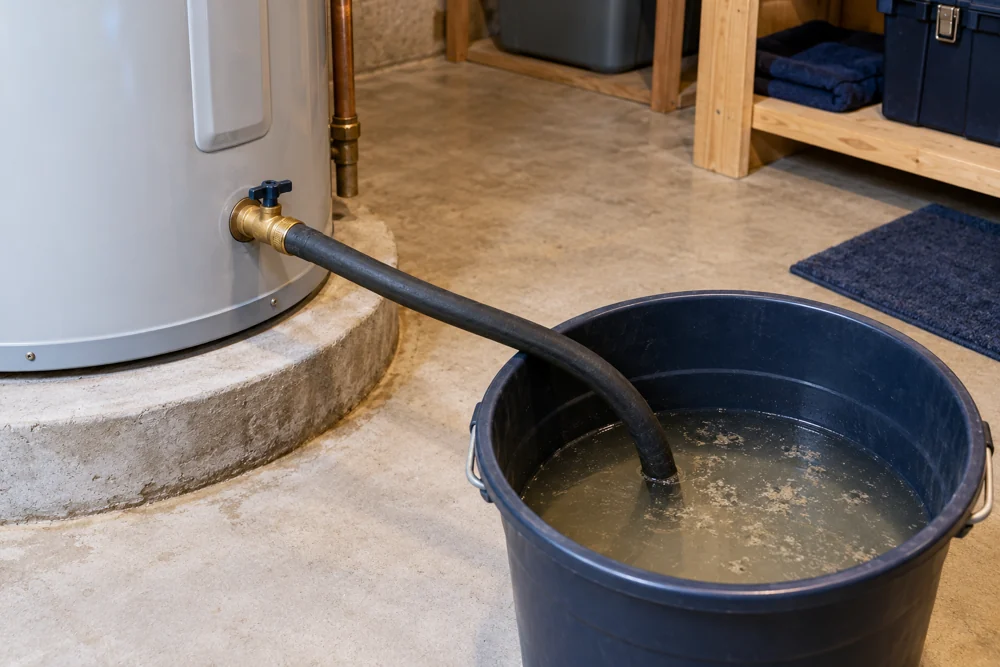
No. Flushing is maintenance and does not repair a failed storage vessel. The leak needs an appropriate source assessment and correction.
No fixed arrival or completion time is guaranteed here. The attending company confirms availability, parts, equipment capability and the work required. Mention active water spread when requesting assessment.
Keep the source finding, correction, relevant checks, invoice and attending company contact. Ask whether anything remains and which parts, labor and follow-up terms apply.
Local And Technical References · Local records provide geographic context. Work on the equipment follows the actual model instructions and applicable project requirements.
Kokomo: Country Club Hills Facility AddressBoulevard Elementary: Published AddressKHCGCC: Country Club Hills MappingA. O. Smith: Relief-Valve DischargeA. O. Smith: Thermal ExpansionWatts: Expansion ControlWatts: Relief-Valve SafetyA. O. Smith: Water Around The HeaterKokomo: Department ResponsibilitiesCall with the address, heater type, visible water and earlier work history. Ask about assessment, charges, provider availability and the next step for your property.
Call (765) 227-1552LeakRescue Pros provides water-heater information and service requests. The attending provider confirms coverage, capability, scheduling, pricing and work terms.